Author: Admin

  • TermDefinition
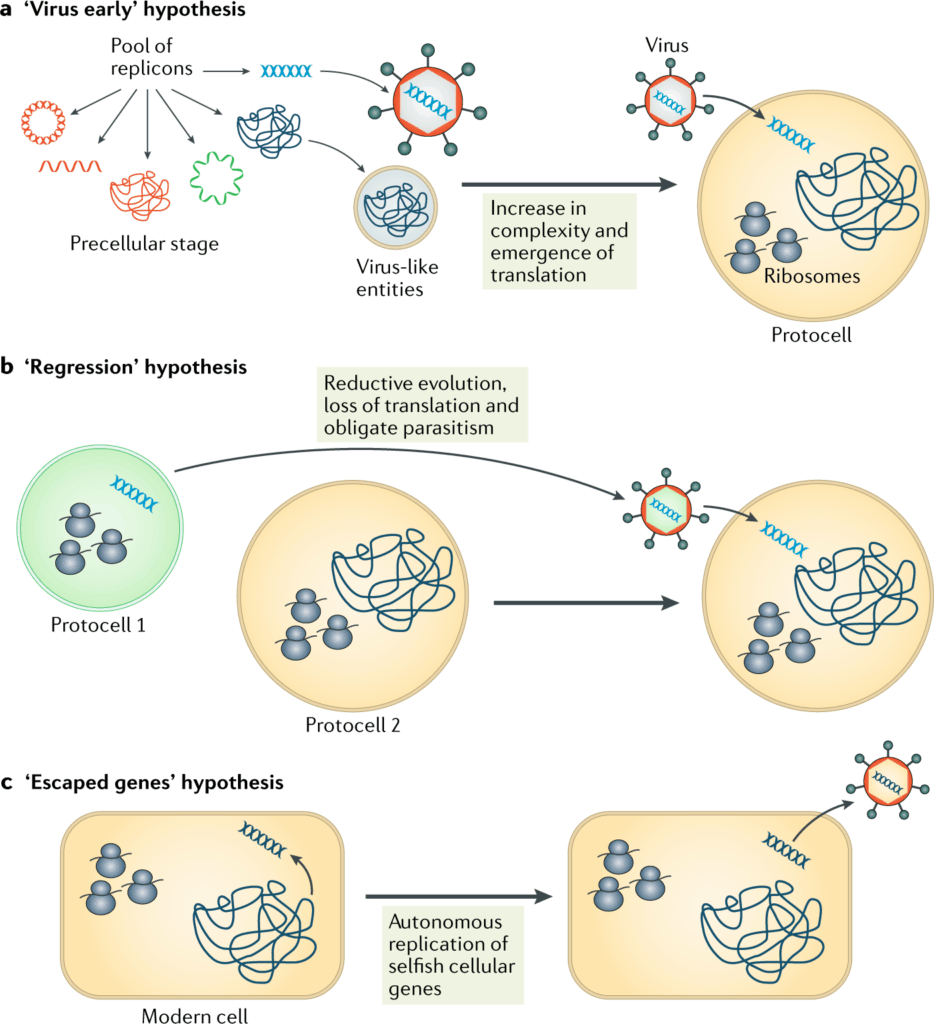
    Escape TheoryHypothesis that viruses evolved from bits of cellular nucleic acids that β€œescaped” from their host cells.
    Regressive TheoryHypothesis that viruses evolved from more complex free-living organisms that lost cellular structures over time.
    Virus-First TheoryHypothesis that viruses existed before cells and contributed to early molecular evolution.
    Endogenous RetrovirusViral sequences that have become permanently integrated into the host genome.
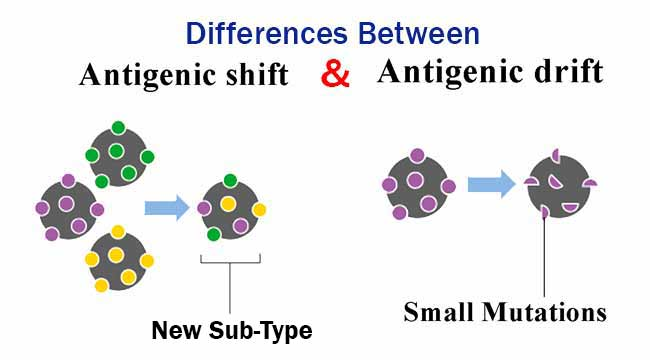
    Antigenic DriftGradual accumulation of mutations in viral genes, leading to minor changes in antigens.
    Antigenic ShiftMajor genetic changes due to reassortment of genome segments, often producing new viral strains.

    The origin and evolution of viruses remain subjects of scientific debate, with multiple hypotheses proposing different pathways. Viruses evolve rapidly due to high mutation rates, recombination, and reassortment of genetic material, enabling them to adapt to new hosts and evade immune responses. Understanding their evolution is critical for controlling viral diseases and developing effective vaccines.

    ❀️ CAS Link: Create a public science display showing the different theories of virus origin and how rapid viral evolution impacts human health (e.g., flu vaccine updates).

    • Escape Theory: Viruses originated from fragments of genetic material that β€œescaped” from cells.
    • Regressive Theory: Viruses evolved from cellular organisms that gradually lost complexity.
    • Virus-First Theory: Viruses predate cells and were part of pre-cellular life forms.
    • These theories are not mutually exclusive β€” different viruses may have different origins.
    • Evidence is limited due to lack of viral fossils and rapid mutation rates.
    • Molecular analysis helps trace evolutionary relationships between viruses and hosts.
    • RNA viruses mutate faster than DNA viruses due to error-prone replication.
    • High mutation rates allow viruses to quickly adapt to host immune systems.
    • Mutations can alter viral surface proteins, affecting infectivity and host range.
    • Recombination occurs when two viruses infect the same cell and exchange genetic material.
    • Reassortment in segmented viruses (e.g., influenza) can produce entirely new strains.
    • Viral evolution impacts vaccine effectiveness and antiviral drug resistance.

    🌍 Real-World Connection: Seasonal influenza vaccines must be updated annually because antigenic drift changes viral surface proteins.

    • Antigenic Drift: Gradual changes due to point mutations in viral genes.
    • Antigenic Shift: Abrupt changes due to gene segment reassortment, producing novel antigens.
    • Drift leads to reduced vaccine effectiveness over time.
    • Shift can cause pandemics when a new strain emerges that the population lacks immunity against.
    • Influenza A viruses are well-known for undergoing both drift and shift.
    • Shift often occurs when viruses from different species exchange genetic material.

    πŸ” TOK Perspective: Without direct fossil evidence, how reliable are molecular comparisons in reconstructing viral history?

    🌐 EE Focus: An EE could investigate how mutation rates in RNA viruses correlate with host immune evasion.
  • TermDefinition
    Adaptive RadiationRapid diversification of a common ancestor into many species adapted to different niches.
    Ecological NicheThe role and position of a species in its environment, including its interactions and resource use.
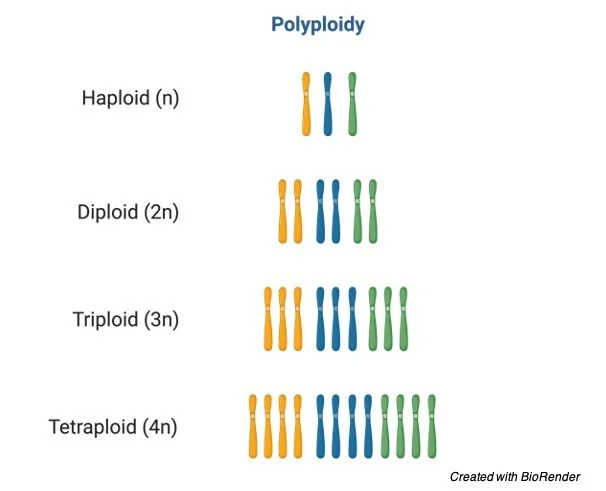
    PolyploidyPossession of more than two complete sets of chromosomes.
    AutopolyploidyPolyploidy arising from chromosome duplication within a single species.
    AllopolyploidyPolyploidy resulting from hybridisation between different species followed by chromosome doubling.
    Instant SpeciationFormation of a new species in one generation, often via polyploidy in plants.
    EndemismCondition of a species being found only in a specific geographic location.

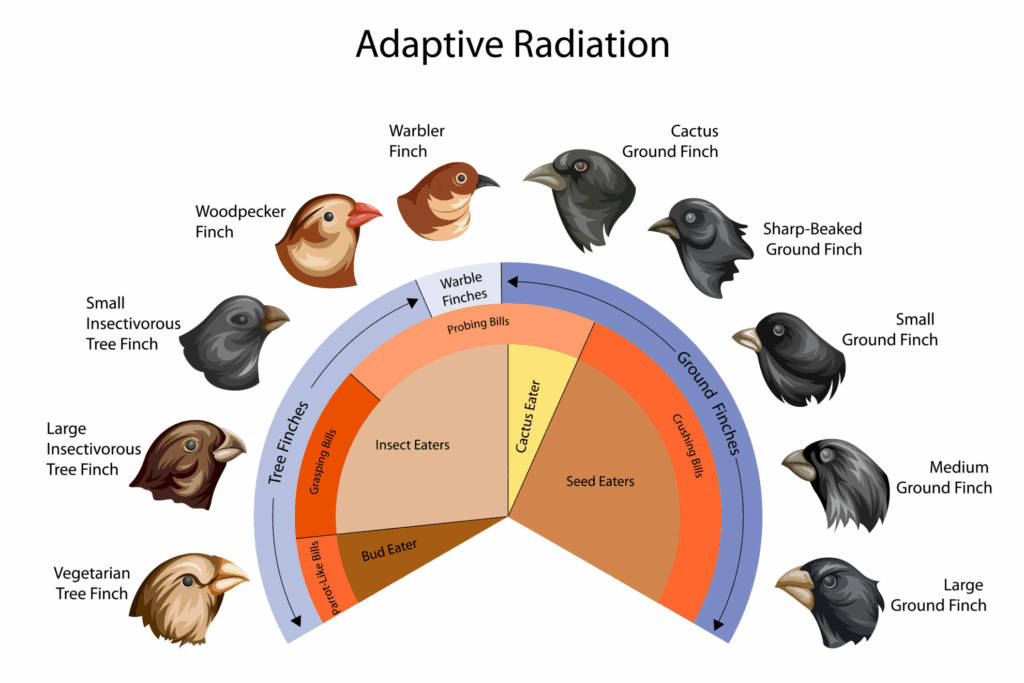
    Adaptive radiation and plant speciation are key drivers of biodiversity. Adaptive radiation produces a burst of new species from a common ancestor, each adapted to a unique niche. In plants, speciation often involves polyploidy, which can cause reproductive isolation almost instantly. These processes help explain the vast diversity in ecosystems, particularly on islands and in environments with varied niches.

    ❀️ CAS Link: Establish a school garden biodiversity plot, planting species that illustrate adaptive radiation or polyploidy origins.

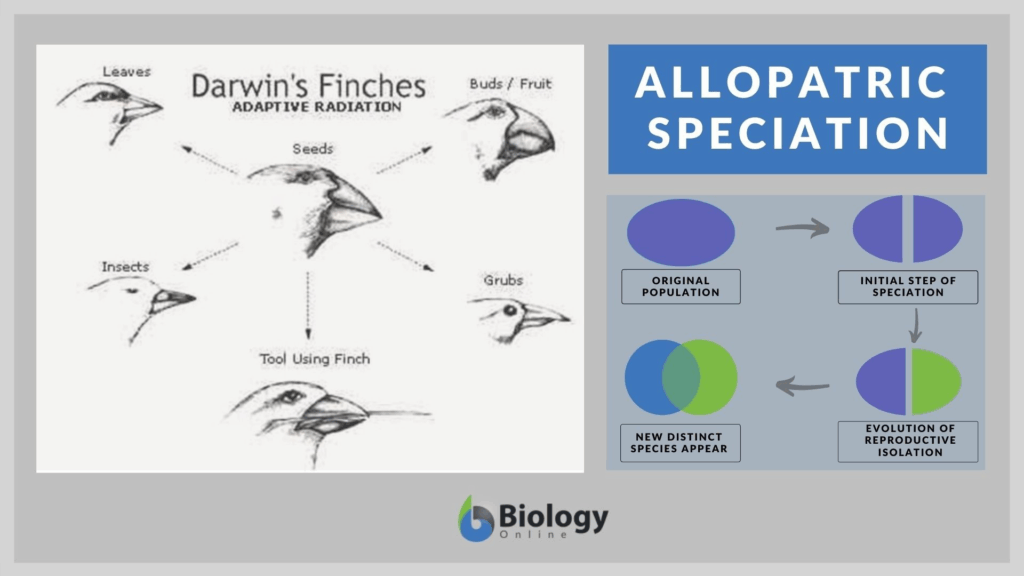
    • Occurs when a single ancestral species diversifies into many species adapted to different niches.
    • Requires available niches and minimal competition or predation.
    • Often follows events such as colonisation of a new habitat or mass extinctions.
    • Example: Darwin’s finches evolved different beak shapes to exploit different food sources.
    • Increases biodiversity rapidly in geological terms.

    🧠 Examiner Tip: In adaptive radiation diagrams, label common ancestor and niche specialisation clearly.

    • A niche includes all environmental conditions and interactions that allow a species to survive and reproduce.
    • Differentiation of niches reduces competition and can drive speciation.
    • Closely related species in the same habitat often occupy different niches to avoid direct competition.
    • Niche partitioning maintains biodiversity within ecosystems.

    🌍 Real-World Connection: Coral reef fish species show niche partitioning by depth, diet, and time of activity.

    • Polyploidy is common in plants and can cause instant reproductive isolation.
    • Autopolyploidy – duplication of chromosome sets within one species; results in fertile polyploids that cannot breed with the original diploid population.
    • Allopolyploidy – hybridisation between two species followed by chromosome doubling; produces fertile hybrids reproductively isolated from both parent species.
    • Polyploidy can increase vigour, adaptability, and resistance to environmental stress.

    πŸ” TOK Perspective: Polyploidy challenges the gradualist model of speciation, showing that new species can arise in a single generation.

    • Wheat – Bread wheat (Triticum aestivum) is an allopolyploid formed by hybridisation between three different grass species.
    • Tragopogon species – In the 20th century, hybridisation between introduced species in the USA produced new allopolyploid species in just decades.
    • Many crop plants (bananas, potatoes, cotton) are polyploid, contributing to agricultural success.

    πŸ“ Paper 2: Data Response Tip: When interpreting plant speciation data, link chromosome number changes to reproductive isolation.

  • TermDefinition
    SpeciationFormation of new species from existing ones.
    PopulationGroup of individuals of the same species living in the same area.
    Reproductive IsolationMechanisms that prevent gene flow between populations.
    Allopatric SpeciationSpeciation due to physical/geographic separation of populations.
    Sympatric SpeciationSpeciation within the same geographic area, often due to ecological or behavioural differences.
    Prezygotic BarrierIsolation mechanisms that occur before fertilisation, preventing mating or fertilisation.
    Postzygotic BarrierIsolation mechanisms after fertilisation that prevent hybrid viability or fertility.
    HybridOffspring resulting from mating between two different species or populations.

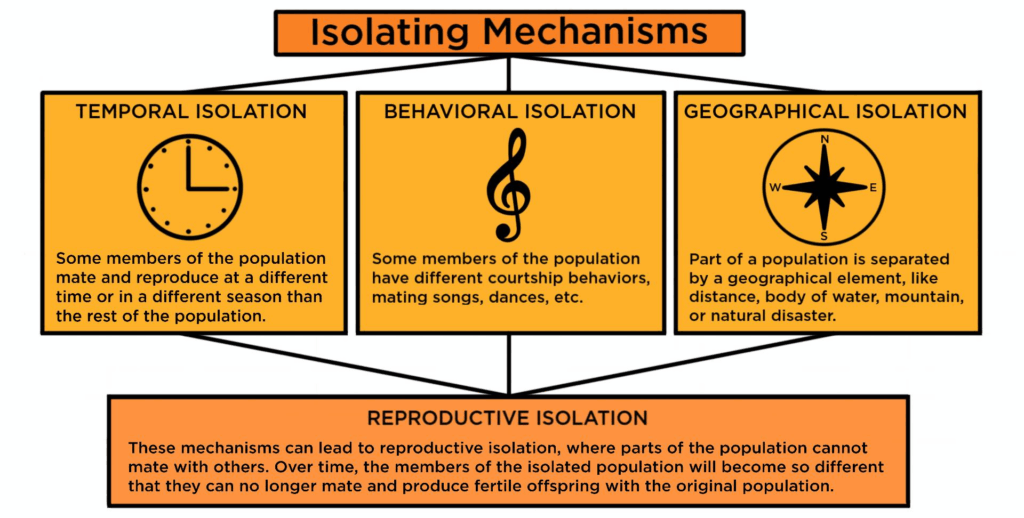
    Speciation is the evolutionary process by which populations diverge into distinct species. It occurs when gene flow between populations is reduced or eliminated, often through reproductive isolation. Mechanisms of isolation can be geographical, behavioural, temporal, or genetic. Over time, these differences accumulate, leading to the emergence of new species.

    ❀️ CAS Link: Organise a nature reserve observation project where students record potential cases of speciation in bird populations based on behaviour and habitat differences.

    • Prezygotic barriers prevent fertilisation:
      • Temporal isolation β€” breeding seasons differ.
      • Behavioural isolation β€” mating signals or rituals differ.
      • Mechanical isolation β€” physical incompatibility of reproductive structures.
      • Ecological isolation β€” species occupy different niches in the same area.
      • Gametic isolation β€” gametes fail to fuse.
    • Postzygotic barriers occur after fertilisation:
      • Hybrid inviability β€” embryo fails to develop.
      • Hybrid sterility β€” hybrid grows but is sterile (e.g., mule).
      • Hybrid breakdown β€” first-generation hybrids are viable, but later generations have reduced fitness.

    🧠 Examiner Tip: State whether a barrier is prezygotic or postzygotic and give a clear example.

    • Occurs when a population is split by a physical barrier (mountains, rivers, habitat fragmentation).
    • Gene flow stops, and populations evolve independently due to natural selection, genetic drift, and mutations.
    • Over time, differences accumulate until the populations can no longer interbreed.
    • Example: Squirrel species on opposite sides of the Grand Canyon.

    🌍 Real-World Connection: Allopatric speciation is common on islands, where populations are separated by water.

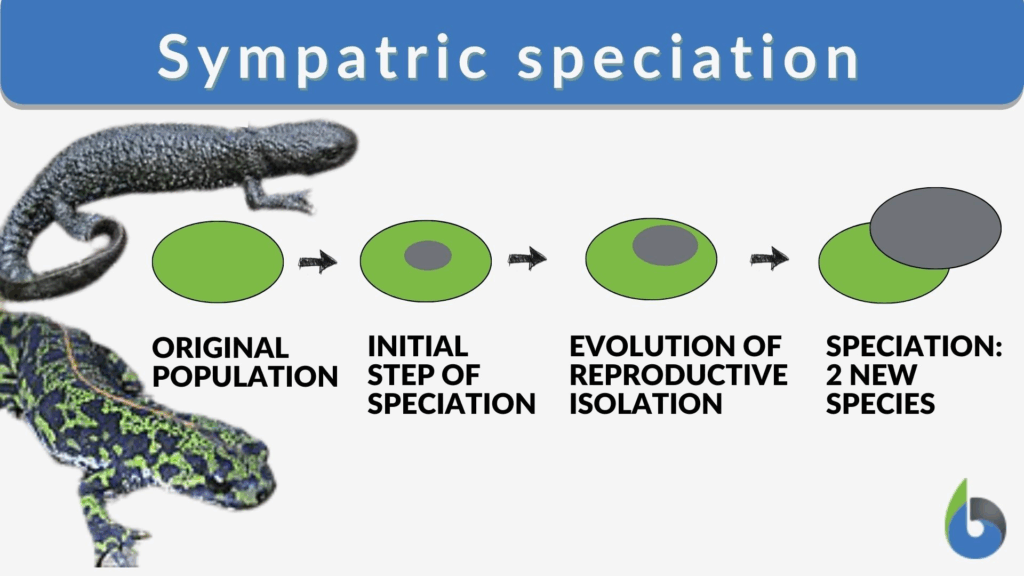
    • Occurs without geographical separation.
    • Often due to ecological niche specialisation or behavioural differences within a shared habitat.
    • Can result from polyploidy in plants β€” doubling chromosome numbers creates instant reproductive isolation.
    • Example: Cichlid fish species in the same African lake evolved into multiple species with different feeding strategies.

    πŸ” TOK Perspective: Sympatric speciation challenges the intuitive idea that physical barriers are necessary for new species to arise.

    • Hybridisation can occur when closely related species meet again.
    • Reinforcement β€” natural selection strengthens reproductive barriers to prevent hybrids with low fitness.
    • Habitat preference and mate choice act as behavioural barriers.
    • Genetic incompatibility can quickly reduce hybrid success.

    πŸ“ Paper 2: Data Response Tip: When presented with hybridisation data, link it to gene flow and fitness consequences.

  • TermDefinition
    EvolutionChanges in the heritable characteristics of organisms over generations.
    Natural SelectionProcess where advantageous traits become more common because they improve survival and reproduction.
    Heritable CharacteristicsTraits determined by alleles that can be passed to offspring.
    MutationRandom change in DNA sequence that may produce new alleles.
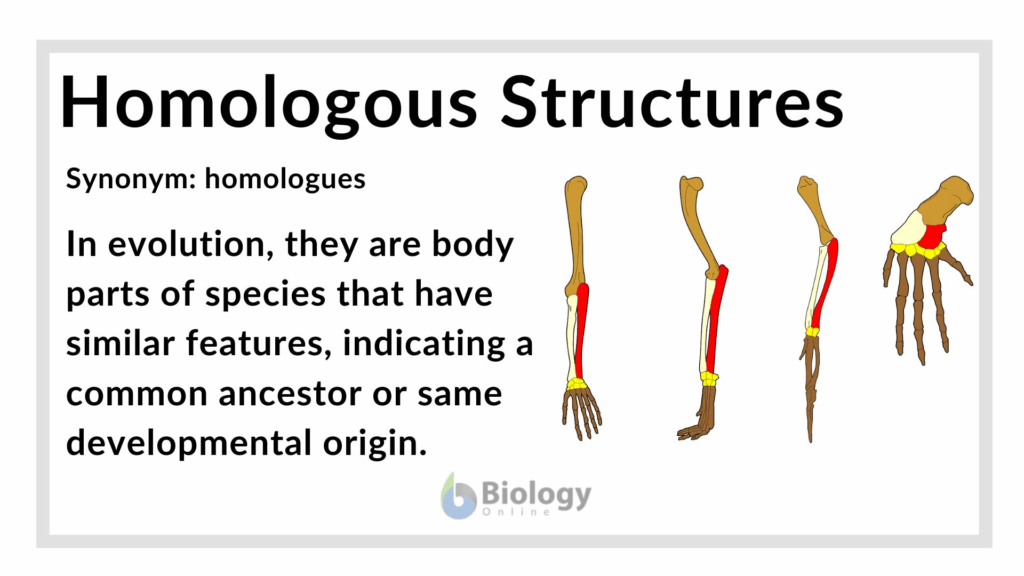
    Homologous StructuresStructures with similar underlying anatomy but different functions, indicating shared ancestry.
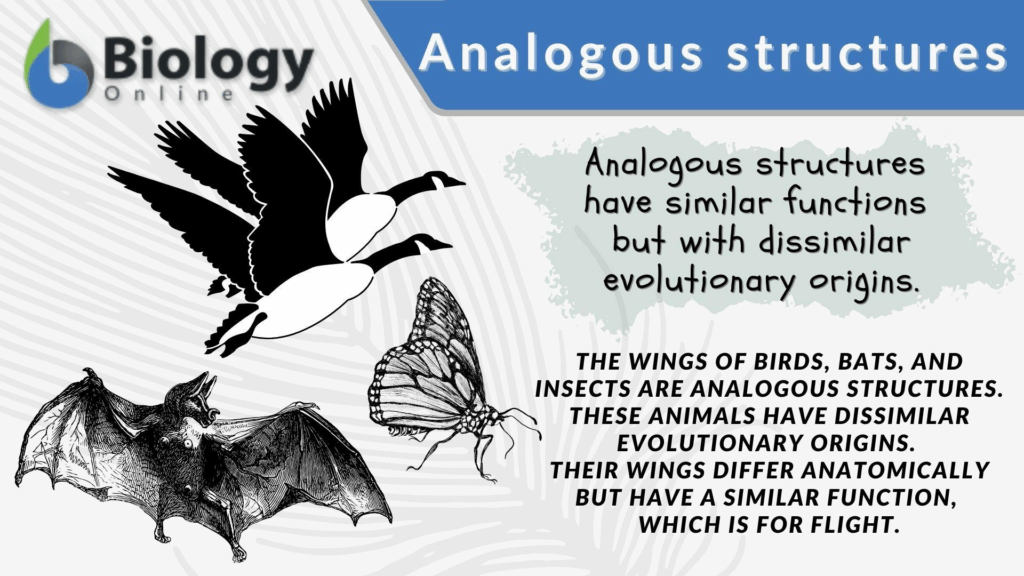
    Analogous StructuresStructures with similar function but different evolutionary origins, arising from convergent evolution.
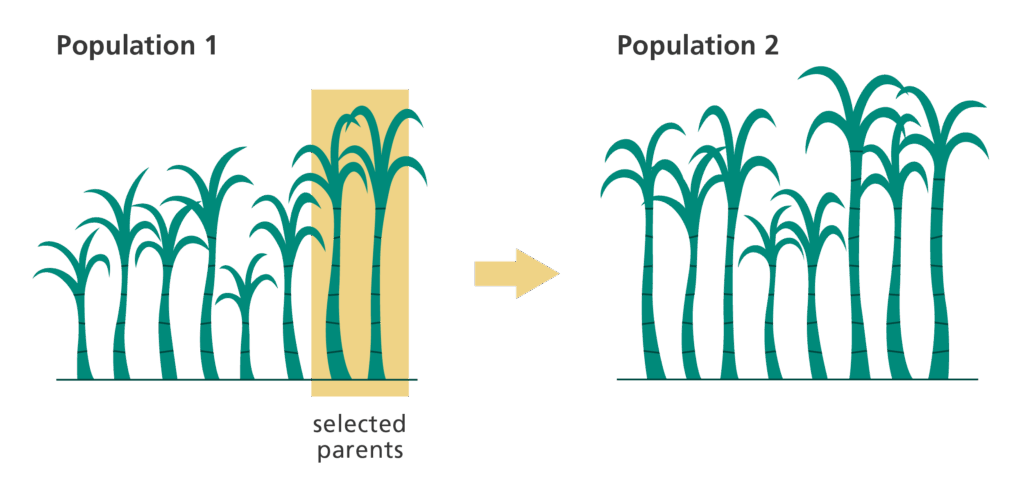
    Artificial SelectionHuman-directed breeding to enhance desirable traits; also called selective breeding.
    Molecular EvidenceDNA, RNA, or protein sequence comparisons used to determine evolutionary relationships.

    Evolution explains the diversity of life on Earth as species change over time through genetic variation and natural selection. Evidence from molecular biology, comparative anatomy, selective breeding, and fossil records supports the theory. While Darwin’s natural selection remains the central explanation, modern molecular data have refined our understanding of how species evolve and adapt.

    ❀️ CAS Link: Collaborate with a local science museum to create an educational exhibit explaining how molecular evidence and anatomy support evolution.

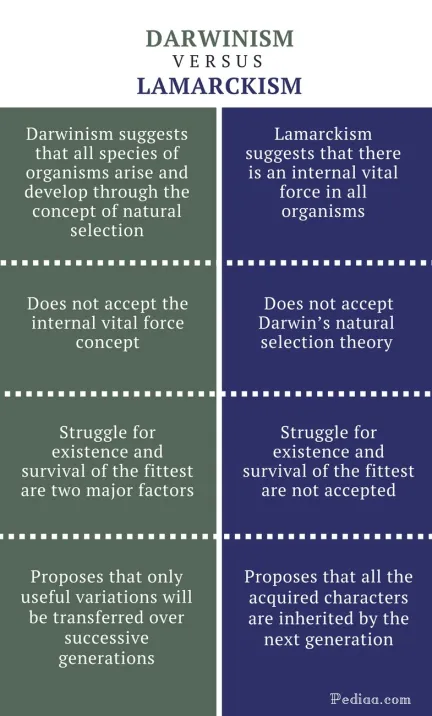
    • Darwin’s Theory: Variation exists within populations due to random mutations. Individuals with advantageous traits survive and reproduce more successfully, passing those traits on. Over time, these traits become more common.
    • Lamarck’s Theory: Suggested traits acquired during an organism’s lifetime (e.g., stretched giraffe neck) could be inherited. This has been disproven except for limited epigenetic influences.
    • Darwin’s theory requires heritability; Lamarck’s does not.
    • Modern evidence strongly supports Darwin’s model, with minor updates such as recognising that evolution can sometimes occur rapidly (e.g., antibiotic resistance).

    🧠 Examiner Tip: In Paper 2, contrast mechanism and heritability when comparing Darwin and Lamarck.

    • Sequence data from DNA, RNA, and proteins allow scientists to compare species.
    • More similarities in sequences indicate closer evolutionary relationships.
    • Conserved sequences (e.g., haemoglobin genes) are used because they change slowly and are found across many species.
    • Example: Humans and chimpanzees share ~99% DNA sequence identity, indicating recent common ancestry.
    • Data from multiple genes increases certainty and can be used to construct evolutionary trees.

    🌍 Real-World Connection: Genomic comparisons are used to track zoonotic disease origins, like tracing SARS-CoV-2 back to coronaviruses in bats.

    • Humans breed organisms with desirable traits over many generations.
    • Works faster than natural selection because humans control which individuals reproduce.
    • Examples:
    • Cows bred for higher milk yield.
    • Crops bred for disease resistance.
    • Demonstrates evolution in action by showing how heritable changes accumulate over time.

    πŸ” TOK Perspective: Selective breeding reflects human-driven evolution β€” raises questions about ethics and long-term ecological impacts.

    • Structures with similar anatomy but adapted for different functions.
    • Example: The pentadactyl limb in humans, whales, birds, frogs, and alligators has the same bone layout but is adapted for walking, swimming, flying, or jumping.
    • Supports adaptive radiation β€” species evolved from a common ancestor but adapted to different environments.

    πŸ“ Paper 2 Tip: Use function + structure when explaining homologous structures.

    • Analogous structures have similar functions but different evolutionary origins.
    • Result from convergent evolution β€” unrelated species evolve similar traits due to similar selection pressures.
    • Examples:
    • Streamlined bodies in dolphins (mammals) and sharks (fish).
    • Spiny, water-storing stems in cacti (Americas) and euphorbia (Africa).
    • Shows that similar environments can shape unrelated species in similar ways.

    🌐 EE Focus: An EE could investigate morphological convergence in desert plants using phylogenetic methods.

  • TermDefinition
    ReclassificationChanging the classification of an organism based on new evidence.
    Paraphyletic GroupA group containing a common ancestor but not all of its descendants.
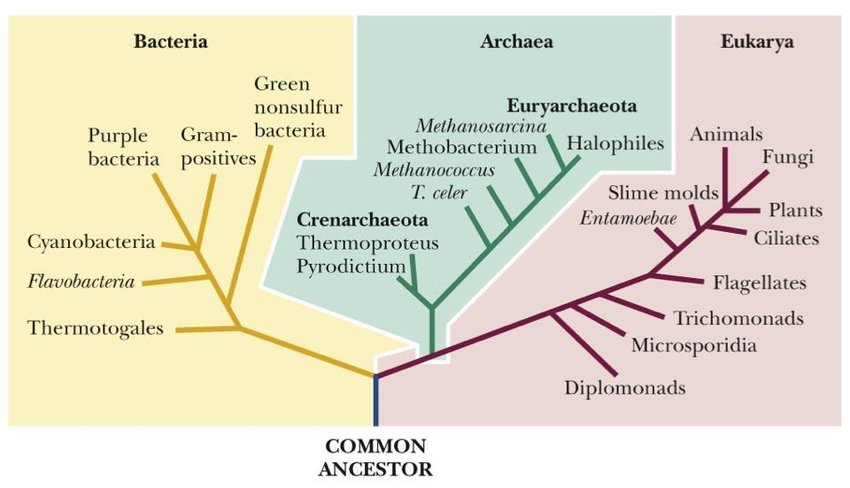
    DomainHighest taxonomic rank, above kingdoms, based on fundamental genetic differences.
    ArchaeaDomain of single-celled prokaryotes distinct from bacteria and eukaryotes.
    EubacteriaDomain of true bacteria, prokaryotic organisms with peptidoglycan in their cell walls.
    EukaryoteDomain of organisms with membrane-bound organelles and a nucleus.
    Convergent EvolutionEvolution of similar traits in unrelated species due to similar environments.

    Reclassification occurs when new evidence, particularly from molecular data, reveals that the current taxonomy does not accurately reflect evolutionary relationships. DNA sequencing has shown that many traditional groupings, based on morphology alone, do not form true clades. This has led to splitting, merging, and reorganising taxa. One major outcome has been the development of the three-domain system, recognising fundamental differences between Archaea, Eubacteria, and Eukaryotes.

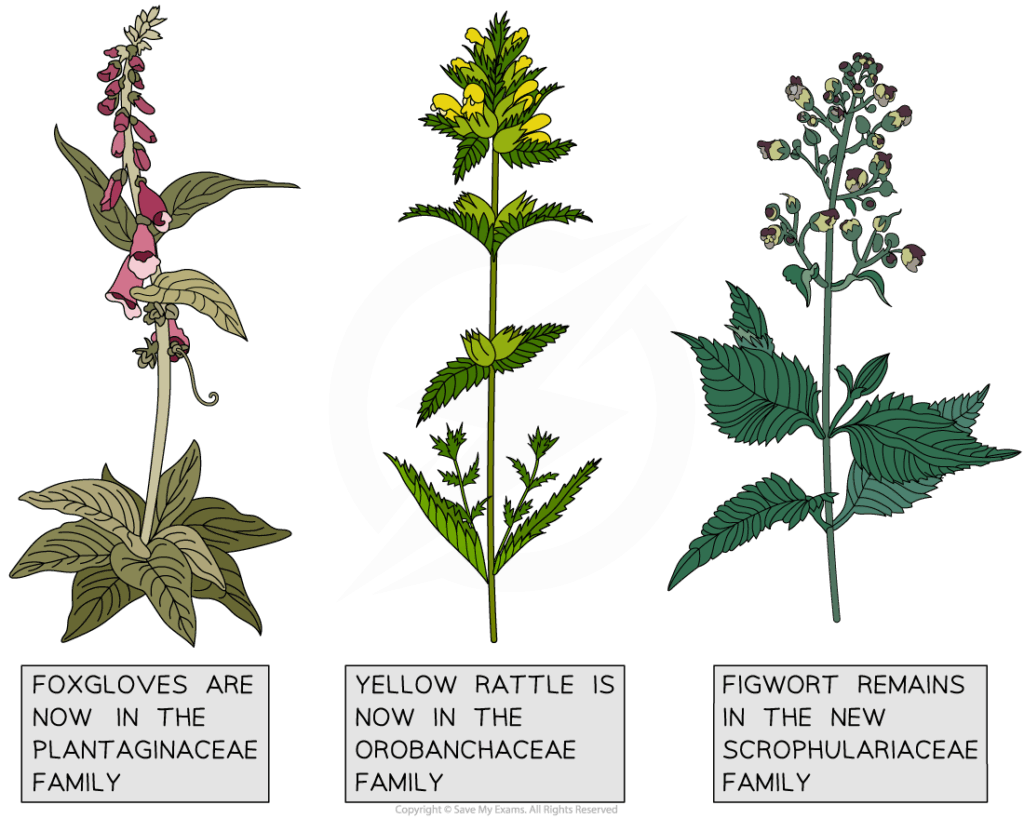
    ❀️ CAS Link: Host a student science fair where groups research and present a reclassification case study, such as the figwort family.

    • New molecular evidence (DNA, mRNA, protein sequences) can contradict morphology-based groupings.
    • Traditional taxonomy sometimes placed unrelated organisms together due to convergent evolution.
    • Correct clade-based classification ensures groups contain only close evolutionary relatives.
    • Reclassification can involve moving species between families, splitting large groups, or merging smaller ones.

    🧠 Examiner Tip: When explaining reclassification, always reference new evidence and clade accuracy.

    • Originally classified in the late 1700s based on shared morphological traits (e.g., tube-shaped flowers).
    • Grew to over 275 genera in the Scrophulariaceae family.
    • DNA analysis of three chloroplast genes revealed the group was paraphyletic.
    • Resulted in:
      • Creation of new families.
      • Movement of genera into existing families.
      • Reduction of the figwort family to less than half its original size.
    • Demonstrates how morphological similarity can be due to convergent evolution, not shared ancestry.

    🌍 Real-World Connection: Archaeal enzymes from thermophiles are used in high-temperature industrial processes like PCR.

    • Developed after rRNA analysis revealed two distinct groups of prokaryotes.
    • Domains are the largest taxonomic rank:
    • Archaea – Prokaryotes living in extreme environments; unique cell wall and membrane composition; ribosomes more similar to eukaryotes.
    • Eubacteria – True bacteria with peptidoglycan cell walls.
    • Eukaryotes – Organisms with a nucleus and membrane-bound organelles.

    πŸ” TOK Perspective: Scientific theories are provisional β€” new evidence can falsify established ideas, leading to paradigm shifts.

    FeatureArchaeaEubacteriaEukaryotes
    Cell TypeProkaryoticProkaryoticEukaryotic
    ChromosomeCircularCircularLinear (plus circular in mitochondria/chloroplasts)
    Cell WallWithout peptidoglycanWith peptidoglycanSometimes present, never with peptidoglycan
    Membrane LipidsGlycerol-etherGlycerol-esterGlycerol-ester
    Ribosomes70S (subunit similar to eukaryotes)70S80S (cytoplasm) & 70S (organelles)
    HistonesPresentAbsentPresent
    IntronsSometimesRarePresent

    πŸ“ Paper 2: Data Response Tip: When given a classification table, identify domain-level differences in cell wall composition, ribosomes, and genetic features.

  • TermDefinition
    Lytic CycleViral replication process resulting in destruction of the host cell and release of new viruses.
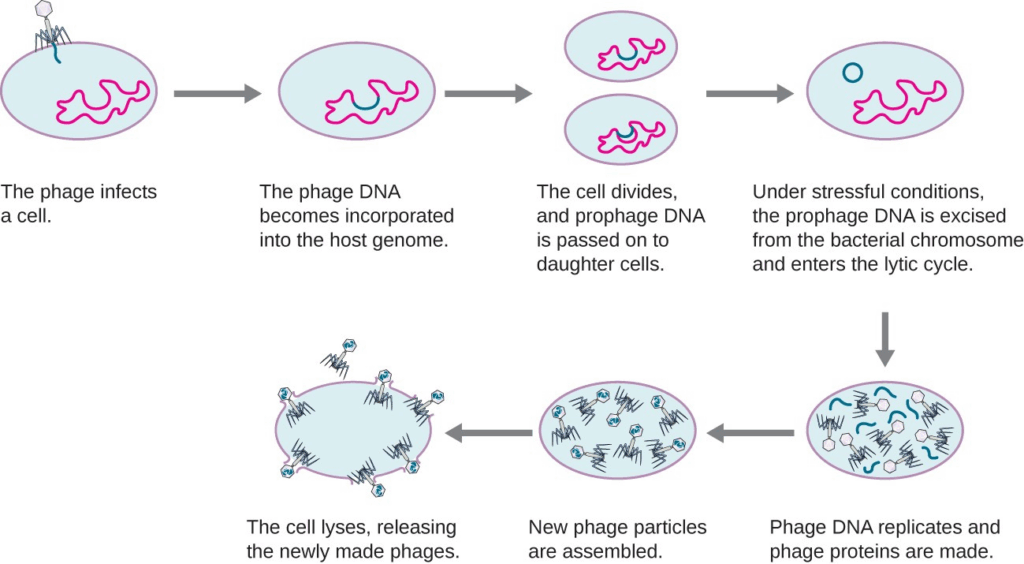
    Lysogenic CycleViral replication strategy where viral DNA integrates into the host genome and remains dormant before activation.
    ProvirusViral genome integrated into the host DNA.
    LatencyPeriod where a virus remains dormant in host cells without producing new viruses.
    Reverse TranscriptaseEnzyme that synthesises DNA from an RNA template (in retroviruses).
    LysozymeEnzyme used by bacteriophages to break bacterial cell walls during infection.

    Viral replication requires host cell machinery because viruses lack the enzymes and structures necessary for independent reproduction. Depending on the virus, replication may follow a lytic pathway, where new viruses are made immediately, or a lysogenic pathway, where the viral genome integrates into the host cell and remains inactive until triggered.

    ❀️ CAS Link: Develop a school science outreach activity where students model viral replication using simple props to show lytic vs lysogenic cycles.

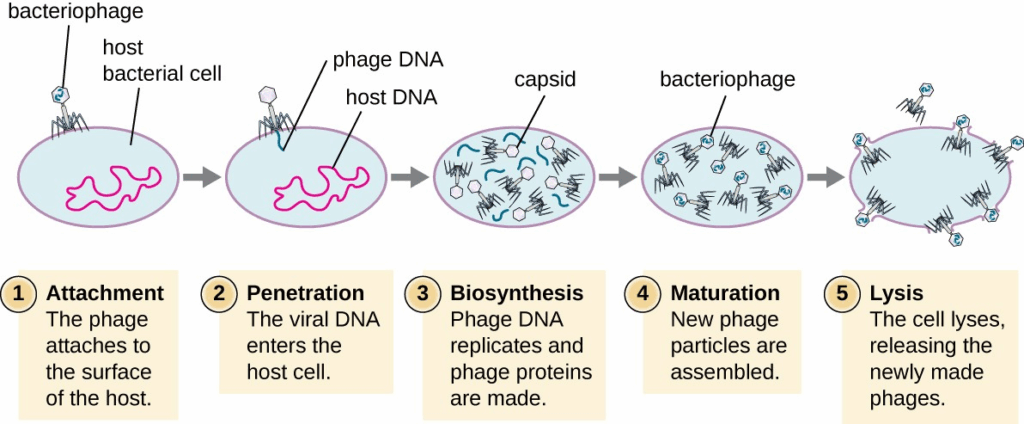
    • Attachment: Virus recognises and binds to specific host cell receptors.
    • Entry: Virus injects its genome or enters the host via endocytosis/membrane fusion.
    • Replication: Host cell machinery is hijacked to replicate viral genetic material.
    • Assembly: Viral components self-assemble into new virions.
    • Release: Viruses exit the cell via lysis (bursting) or budding (enveloped viruses).
    • Cycle repeats upon infection of new host cells.

    🧠 Examiner Tip: Always include attachment β†’ entry β†’ replication β†’ assembly β†’ release in sequence when describing viral replication for full marks.

    • Immediate replication upon infection.
    • Host cell is destroyed at the end of the cycle.
    • Steps:
      • Attachment to host cell surface.
      • Injection or entry of viral genome.
      • Replication of genome and synthesis of viral proteins.
      • Assembly of new viral particles.
      • Host cell lysis via enzymes like lysozyme, releasing new viruses.
    • Example: T4 bacteriophage.
    • Rapidly produces many new viruses, often causing acute infections.

    🌍 Real-World Connection: The lytic cycle explains why some viral diseases (e.g., influenza) cause sudden, severe symptoms.

    • Viral DNA integrates into the host genome as a provirus (in eukaryotes) or prophage (in bacteria).
    • Host cell continues normal functions while replicating viral DNA along with its own.
    • The virus can remain dormant for years (latency).
    • Environmental triggers (e.g., UV light, stress) can activate the lytic cycle.
    • Lysogeny allows viruses to persist without killing the host.
    • Example: Lambda bacteriophage, herpesviruses.

    πŸ” TOK Perspective: The existence of lysogeny challenges the idea that all viruses cause immediate harm β€” should β€œinfection” always be equated with β€œdisease”?

    • Lytic: Immediate replication, cell death, rapid spread.
    • Lysogenic: Dormancy, viral genome integration, potential later activation.
    • Lytic is common in acute infections; lysogenic in latent or recurring infections.
    • Some viruses can switch between cycles depending on host conditions.
    • Lytic infections often have more obvious symptoms.
    • Lysogeny may contribute to genetic variation in hosts (via horizontal gene transfer).

    🌐 EE Focus: An EE could explore how environmental conditions affect switching from lysogenic to lytic cycles in bacteriophages.

    πŸ“ Paper 2: Data Response Tip: In questions with viral life cycle diagrams, always identify key triggers for switching from lysogenic to lytic β€” these are often part of the mark scheme.

  • TermDefinition
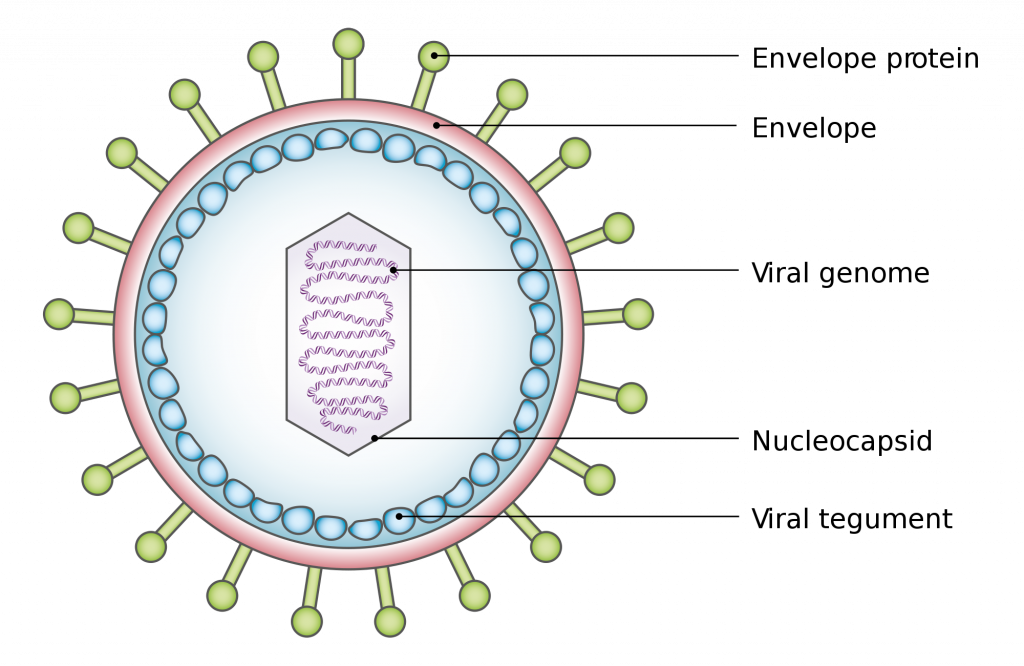
    VirusAn infectious particle made of nucleic acid enclosed in a protein coat, sometimes with an envelope.
    CapsidProtein shell that encloses the viral genome.
    EnvelopeMembrane derived from the host cell, containing viral proteins and glycoproteins.
    BacteriophageVirus that infects bacteria.
    RetrovirusVirus with RNA genome that uses reverse transcriptase to integrate into host DNA.
    Host RangeThe spectrum of host species or cells a virus can infect.

    Viruses are non-cellular infectious agents that rely entirely on a host cell to reproduce. They have no metabolism or organelles and cannot carry out life processes independently. Structurally, viruses are made up of nucleic acids (DNA or RNA) surrounded by a capsid, and in some cases, an additional lipid envelope.

    ❀️ CAS Link: Develop an educational infographic explaining how viruses differ from living cells, for use in a school health awareness campaign.

    • All viruses contain genetic material β€” either DNA or RNA, but never both.
    • The genome can be single-stranded (ss) or double-stranded (ds), and linear or circular.
    • A capsid made of protein subunits (capsomeres) encloses and protects the genome.
    • Some viruses have an envelope derived from the host cell membrane, containing viral glycoproteins.
    • Enveloped viruses are generally more sensitive to heat, detergents, and desiccation.
    • Non-enveloped viruses rely on their stable capsid for protection and tend to be more resistant to environmental changes.

    🧠 Examiner Tip: Always state whether a virus is enveloped or non-enveloped when describing its structure β€” this is often linked to exam questions about viral survival outside a host.

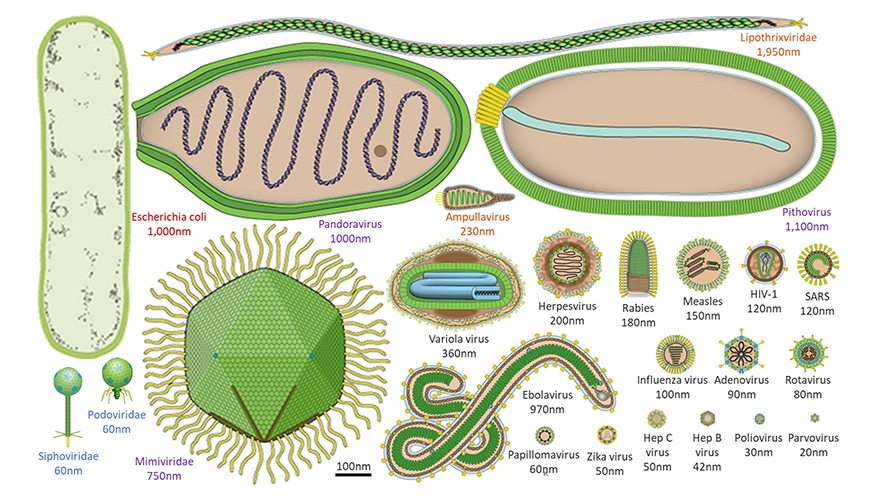
    • Helical viruses: Capsid proteins arranged in a spiral (e.g., tobacco mosaic virus).
    • Icosahedral viruses: Symmetrical 20-sided capsid (e.g., adenoviruses).
    • Complex viruses: More elaborate structures (e.g., bacteriophages with head-tail arrangement).
    • Enveloped viruses: Have a lipid layer containing viral glycoproteins (e.g., influenza virus, HIV).
    • Non-enveloped viruses: Lack lipid envelope (e.g., poliovirus).
    • Capsid shape is determined by the arrangement of capsomeres and can influence host interactions.

    🌍 Real-World Connection: The structural stability of non-enveloped viruses makes them persistent on surfaces, explaining why norovirus outbreaks spread rapidly in schools and cruise ships.

    • Viral genomes can be DNA or RNA, single-stranded or double-stranded.
    • RNA viruses tend to have higher mutation rates due to lack of proofreading by RNA polymerases.
    • DNA viruses generally have more stable genomes.
    • Retroviruses use reverse transcriptase to make DNA from their RNA genome, integrating into host DNA.
    • Segmented genomes (e.g., influenza virus) can undergo reassortment, leading to new strains.
    • Genome type affects replication strategies and host immune responses.

    πŸ” TOK Perspective: How do classification systems for viruses challenge our definition of β€œliving” versus β€œnon-living” things?

    • Viral surface proteins (ligands) bind to specific host cell receptors, determining host range.
    • Bacteriophages have tail fibres for attachment to bacterial surfaces.
    • Enveloped viruses enter cells via membrane fusion or endocytosis.
    • Non-enveloped viruses often inject genetic material directly into the host cytoplasm.
    • Some viruses encode proteins that suppress host immune responses.
    • Structural adaptations allow evasion of immune detection and efficient cell entry.

    🌐 EE Focus: An EE could investigate how changes in viral surface glycoproteins affect infection efficiency in different host cell types.

    πŸ“ Paper 2: Data Response Tip: When interpreting virus diagrams, always label genome type, capsid, envelope, and any specialised attachment structures β€” missing one loses easy marks.

  • TermDefinition
    MagnificationThe number of times an image is enlarged compared to its actual size.
    ResolutionThe ability of a microscope to distinguish two points as separate.
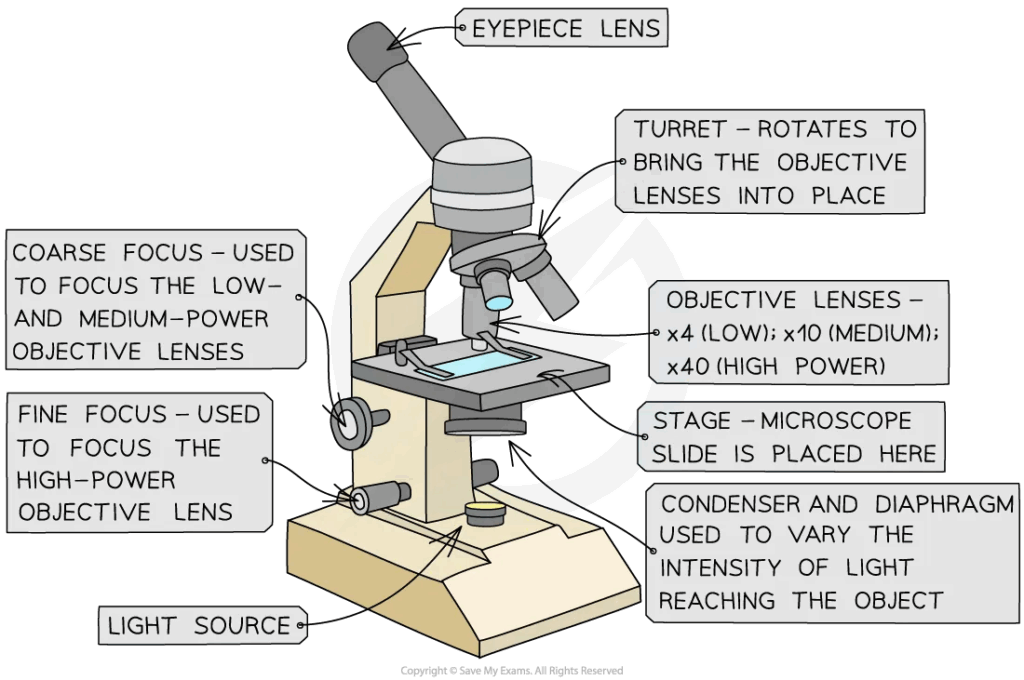
    Light MicroscopeMicroscope using visible light and lenses to view specimens.
    Electron MicroscopeMicroscope using beams of electrons to achieve higher resolution.
    Scanning Electron Microscope (SEM)Electron microscope producing 3D surface images.
    Transmission Electron Microscope (TEM)Electron microscope producing 2D images of thin specimens.

    Comparing cell types and understanding microscopy techniques are essential for studying cell ultrastructure. Key differences between prokaryotic and eukaryotic cells, and between plant and animal cells, help explain how structural features relate to function. Microscopy allows these features to be visualised in detail, with advances in technology significantly improving our ability to study cells.

    ❀️ CAS Link: Organise a microscopy workshop for younger students, where they can observe plant and animal cells and learn how to calculate magnification from scale bars.

    • Prokaryotic cells are smaller (0.1–5 ΞΌm) and lack membrane-bound organelles; eukaryotic cells are larger (10–100 ΞΌm) and have organelles.
    • DNA in prokaryotes is circular and located in the nucleoid; in eukaryotes it is linear and enclosed in a nucleus.
    • Prokaryotes have 70S ribosomes, eukaryotes have 80S ribosomes (and 70S in mitochondria/chloroplasts).
    • Prokaryotes reproduce by binary fission; eukaryotes by mitosis and meiosis.
    • Prokaryotic cell walls contain peptidoglycan; eukaryotic plant cell walls contain cellulose.
    • Prokaryotes generally lack cytoskeletal structures, while eukaryotes have a complex cytoskeleton.

    🧠 Examiner Tip: In β€œcompare and contrast” questions, always balance similarities and differences β€” unbalanced answers can lose marks.

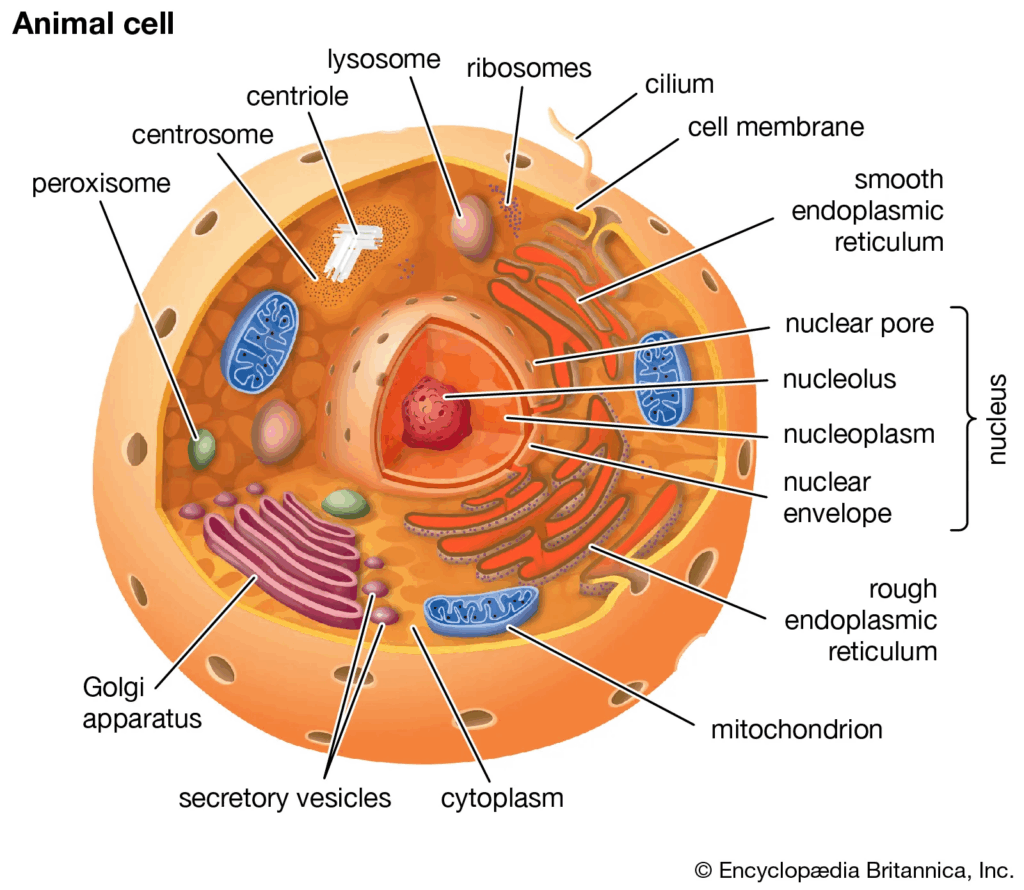
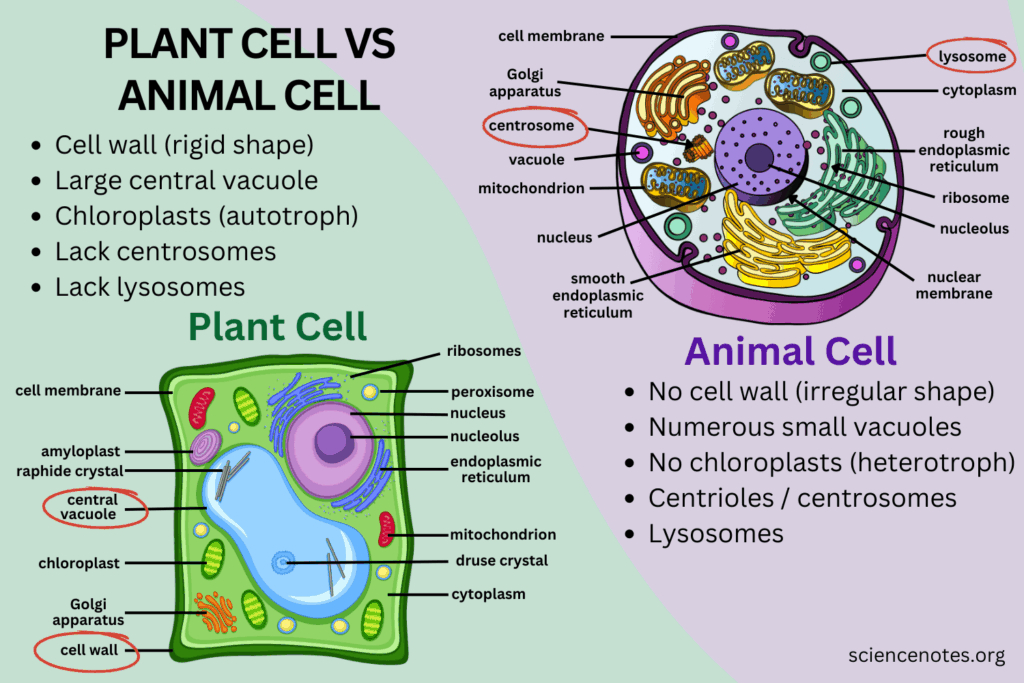
    • Plant cells have a rigid cell wall, large central vacuole, and chloroplasts; animal cells do not.
    • Animal cells have centrioles for cell division; plant cells generally do not.
    • Plant cells store starch; animal cells store glycogen.
    • Lysosomes are more common in animal cells.
    • Plasmodesmata allow communication between plant cells; gap junctions serve this role in animal cells.
    • Both plant and animal cells have a plasma membrane, mitochondria, ER, Golgi apparatus, and ribosomes.

    🌍 Real-World Connection: Understanding plant–animal cell differences is essential in biotechnology, such as tissue culture and crop genetic engineering.

    πŸ“Œ Light Microscopy vs Electron Microscopy

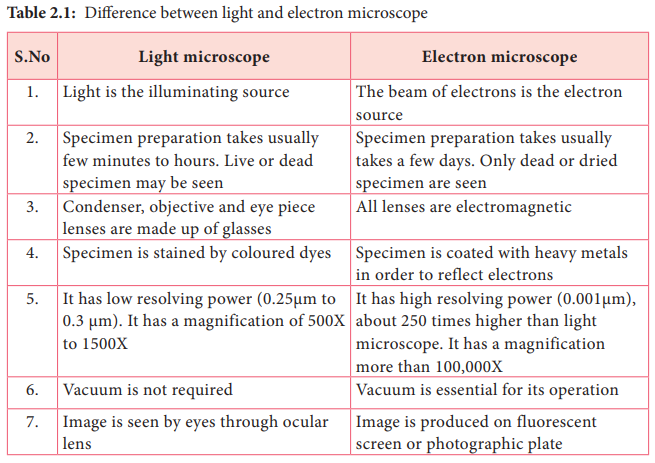
    • Light microscopes use visible light and glass lenses; resolution ~200 nm.
    • Electron microscopes use electron beams; resolution ~0.1 nm.
    • TEM produces 2D images of thin specimens, showing internal structures.
    • SEM produces 3D images of surfaces.
    • Electron microscopy requires specimens to be in a vacuum and coated in metal.
    • Light microscopy can be used for living cells; electron microscopy cannot.

    πŸ” TOK Perspective: The invention of the electron microscope transformed biology β€” but does increasing resolution always increase understanding?

    πŸ“Œ Magnification and Resolution Calculations

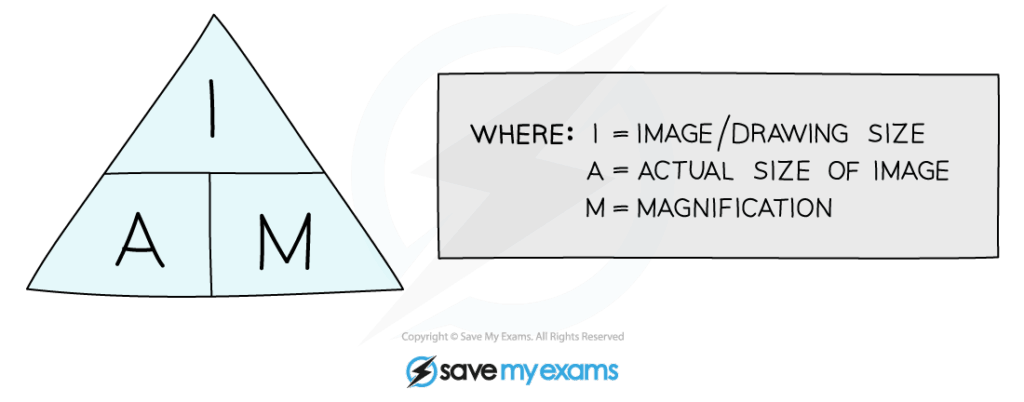
    • Magnification formula: Image size Γ· Actual size.
    • Units must be converted before calculation (e.g., ΞΌm to mm).
    • Resolution depends on the wavelength of light/electrons β€” shorter wavelengths give higher resolution.
    • Scale bars on micrographs help determine magnification and actual size.
    • Proper calculation requires significant figures consistent with data given.
    • IB often tests both calculation and interpretation of micrographs.

    βš—οΈ IA Tips & Guidance: A microscopy IA could compare light vs electron microscope resolution using prepared images or measure the size of organelles in micrographs.

    πŸ“ Paper 2: Data Response Tip: When given a micrograph with a scale bar, measure with a ruler in mm, convert to ΞΌm or nm, then apply the magnification formula β€” don’t forget units.

  • TermDefinition
    EukaryoteA cell containing a true nucleus and membrane-bound organelles.
    OrganelleA specialised structure within a cell with a specific function.
    CytoskeletonA network of protein filaments providing structural support and movement.
    Endoplasmic Reticulum (ER)Network of membranes for protein and lipid synthesis (rough ER) or lipid metabolism (smooth ER).
    Golgi ApparatusOrganelle that modifies, packages, and distributes proteins and lipids.
    MitochondrionSite of aerobic respiration, producing ATP.

    Eukaryotic cells are larger and more complex than prokaryotic cells, found in animals, plants, fungi, and protists. They contain membrane-bound organelles that compartmentalise cellular functions, allowing greater efficiency and specialisation. Their internal complexity enables them to perform more advanced metabolic processes and support multicellular life.

    • Possess a nucleus containing DNA wrapped around histones.
    • Contain 80S ribosomes in the cytoplasm and 70S ribosomes in mitochondria and chloroplasts.
    • Exhibit compartmentalisation β€” separation of functions into organelles.
    • Larger cell size (10–100 ΞΌm) compared to prokaryotes.
    • Have a complex cytoskeleton for movement, shape, and intracellular transport.
    • Reproduce through mitosis (asexual) and meiosis (sexual).

    🧠 Examiner Tip: Always include the presence of membrane-bound organelles when defining eukaryotic cells β€” many students miss this and lose marks.

    • Enclosed by a double membrane (nuclear envelope) with pores for molecule exchange.
    • Contains chromatin (DNA + proteins) and the nucleolus, where ribosomes are assembled.
    • DNA is linear and associated with histones.
    • Controls gene expression and coordinates cell activities.
    • Nuclear pores allow mRNA and ribosomal subunits to exit to the cytoplasm.
    • Replication and transcription occur inside the nucleus.

    🌍 Real-World Connection: Knowledge of plant cell structure supports crop improvement strategies in agriculture.

    • Rough ER has ribosomes and synthesises proteins for secretion or membranes.
    • Smooth ER synthesises lipids, detoxifies drugs, and stores calcium.
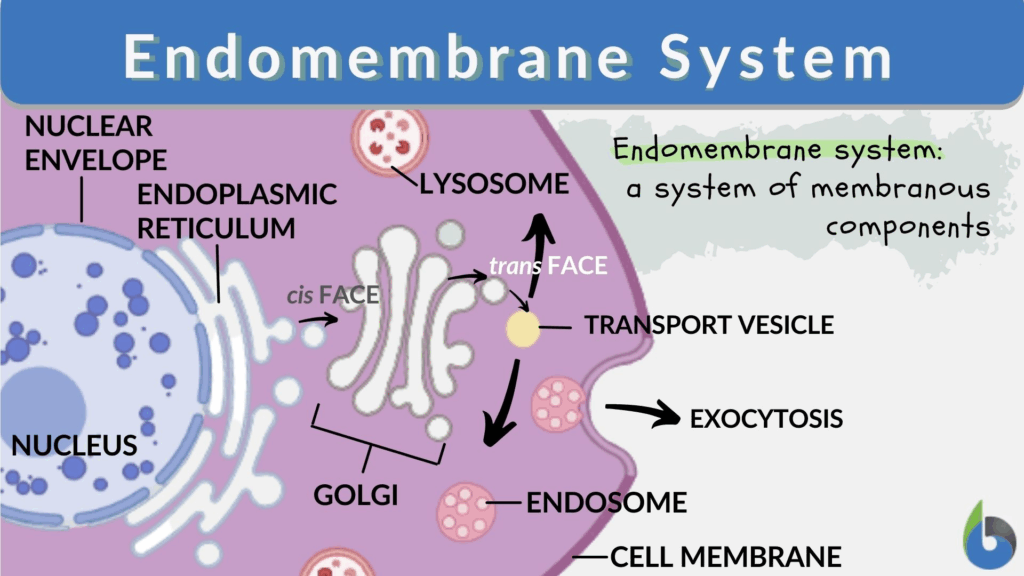
    • Golgi apparatus modifies, sorts, and packages proteins and lipids into vesicles.
    • Lysosomes contain hydrolytic enzymes for digesting macromolecules and old organelles.
    • Secretory vesicles transport molecules to the plasma membrane for exocytosis.
    • Endocytosis brings materials into the cell via vesicles.

    βš—οΈ IA Tips & Guidance: A cell fractionation IA can measure enzyme activity in isolated organelles to explore compartmentalisation.

    • Mitochondria are the site of aerobic respiration, producing ATP.
    • Double membrane: outer membrane + highly folded inner membrane (cristae).
    • Contain 70S ribosomes and circular DNA β€” evidence for endosymbiosis.
    • Chloroplasts (in plants/algae) perform photosynthesis, converting light energy into chemical energy.
    • Have thylakoid membranes, stacked into grana, surrounded by stroma.
    • Also contain 70S ribosomes and circular DNA.

    πŸ” TOK Perspective: The endosymbiotic theory shows how indirect molecular evidence can strongly support historical biological events.

    • Plant cells have a rigid cell wall, chloroplasts, and a large central vacuole.
    • Animal cells have centrioles and more lysosomes.
    • Plant vacuole maintains turgor pressure and stores materials.
    • Cell wall provides structure and protection.
    • Some plant cells have plasmodesmata for cell-to-cell communication.
    • Animal cells often have specialised shapes for specific functions.

    πŸ“ Paper 2: Data Response Tip: When comparing plant and animal cells, use a table format for clarity and always include at least three similarities and three differences.

  • TermDefinition
    ProkaryoteA unicellular organism lacking a true nucleus and membrane-bound organelles.
    NucleoidRegion in a prokaryotic cell containing the circular DNA molecule.
    PlasmidSmall, circular DNA molecule in prokaryotes, often carrying extra genes.
    Binary FissionA method of asexual reproduction in prokaryotes where the cell divides into two identical cells.
    PiliHair-like structures on bacteria used for attachment or DNA transfer.
    FlagellaLong, whip-like structures used for movement in some prokaryotes.

    Prokaryotic cells are the simplest and oldest forms of life, found in domains Bacteria and Archaea. They are small, typically 0.1–5.0 ΞΌm, and lack a nucleus and membrane-bound organelles. Despite their simplicity, prokaryotes display a diverse range of adaptations, enabling them to survive in almost every environment on Earth.

    ❀️ CAS Link: Create a public awareness campaign about biofilms and their role in medical device infections.

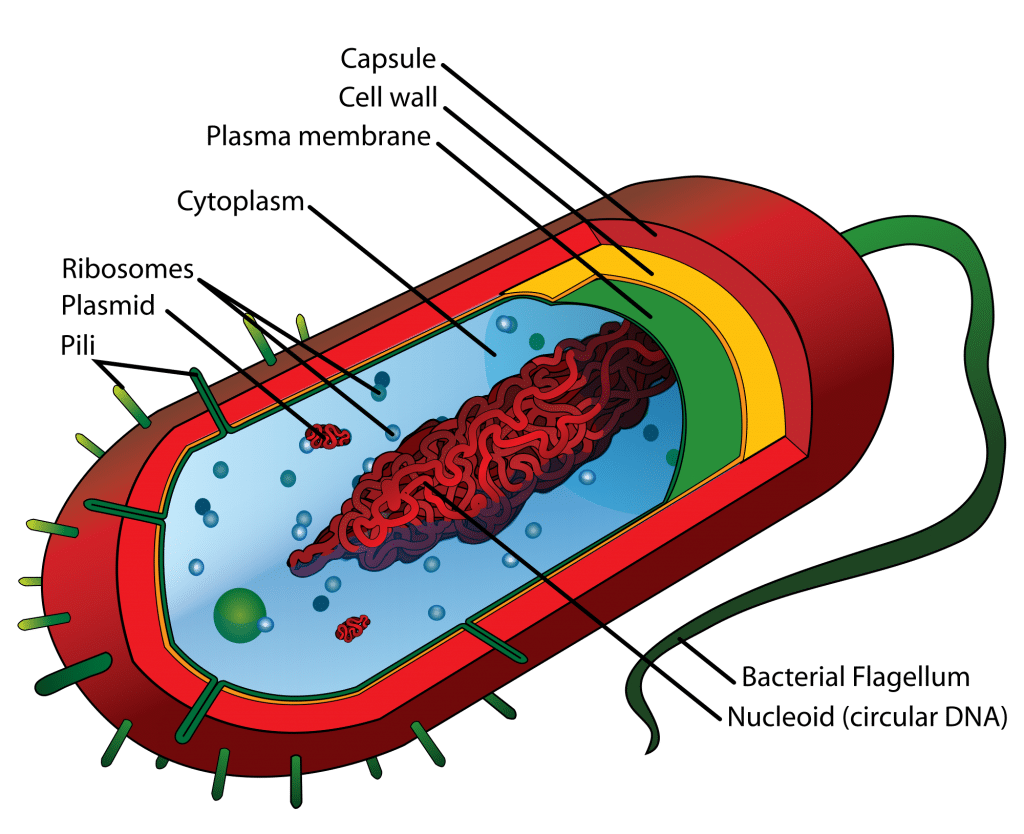
    • Unicellular with simple internal organisation.
    • DNA is located in the nucleoid region, not enclosed by a membrane.
    • Contain 70S ribosomes for protein synthesis.
    • Reproduce mainly through binary fission.
    • Some possess additional DNA in plasmids, which can be transferred between cells.
    • Cell wall composition varies β€” Gram-positive vs Gram-negative bacteria.

    🧠 Examiner Tip: Always state β€œ70S ribosomes” for prokaryotes and β€œ80S ribosomes” for eukaryotes β€” mixing them up is a common error in exams.

    • Cell wall maintains shape, protects against osmotic pressure, and provides structural support.
    • Peptidoglycan is the main component in bacterial cell walls.
    • Gram-positive bacteria have thick peptidoglycan layers; Gram-negative have thinner layers and an outer membrane.
    • Plasma membrane controls substance exchange with the environment.
    • Some bacteria have a capsule for protection and attachment to surfaces.
    • Archaea have cell walls without peptidoglycan (pseudopeptidoglycan instead).

    🌍 Real-World Connection: Antibiotics like penicillin target bacterial cell wall synthesis, making them ineffective against Archaea.

    • Nucleoid contains a single circular chromosome made of DNA.
    • DNA is supercoiled to fit into the cell.
    • Plasmids carry extra genes, often for antibiotic resistance.
    • Plasmids can be transferred between bacteria via conjugation (pili-mediated).
    • Chromosome replication is linked to binary fission.
    • No histones in bacteria, but Archaea have histone-like proteins.

    🌐 EE Focus: An EE could investigate plasmid transfer rates in different bacterial strains, linking to antibiotic resistance spread.

    • Flagella provide motility, enabling movement towards nutrients or away from toxins.
    • Flagellar movement is driven by a rotary motor powered by proton gradients.
    • Pili aid in surface attachment and genetic exchange.
    • Fimbriae are shorter and more numerous, mainly for adhesion.
    • Some prokaryotes secrete a slime layer to aid movement on surfaces.
    • Motility and adhesion are important for colonisation in both pathogenic and symbiotic bacteria.

    βš—οΈ IA Tips & Guidance: A possible IA could measure bacterial growth rates under different conditions using turbidity or colony counting.

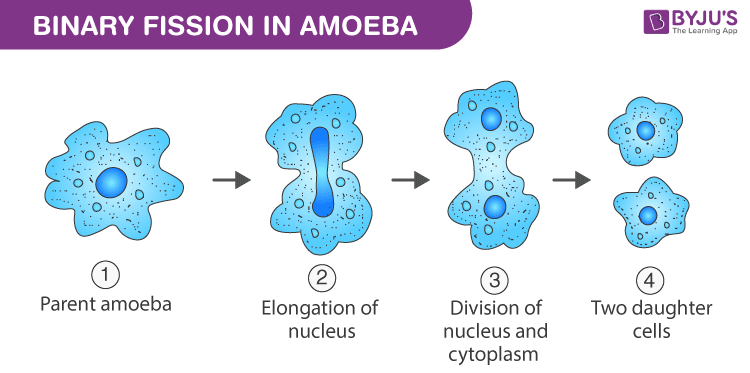
    • DNA is replicated beginning at the origin of replication.
    • Chromosomes attach to the cell membrane and are pulled apart as the cell elongates.
    • The plasma membrane pinches inwards to divide the cell.
    • Produces two genetically identical daughter cells.
    • Occurs rapidly under favourable conditions β€” some bacteria divide every 20 minutes.
    • Allows for fast population growth but limits genetic diversity unless horizontal gene transfer occurs.

    πŸ“ Paper 2: Data Response Tip: If asked to draw or label a prokaryotic cell, always include: cell wall, plasma membrane, cytoplasm, nucleoid, plasmid, 70S ribosomes, pili, and flagella β€” missing any of these may cost marks.