Author: Admin

  • TermDefinition
    Stem CellUndifferentiated cell capable of self-renewal and differentiation into specialised cell types.
    PotencyThe ability of a stem cell to differentiate into different cell types.
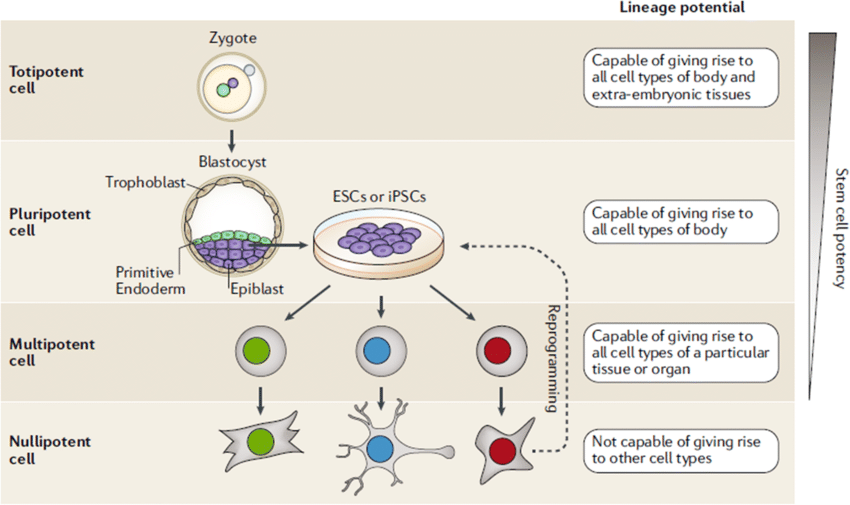
    TotipotentStem cell that can form all cell types, including embryonic and extraembryonic tissues.
    PluripotentStem cell that can form all cell types of the body but not extraembryonic tissues.
    MultipotentStem cell that can form a limited range of cell types related to a particular tissue or organ.
    UnipotentStem cell that can only form one cell type but retains the ability to self-renew.
    Stem Cell NicheMicroenvironment that maintains stem cell function and regulates differentiation.

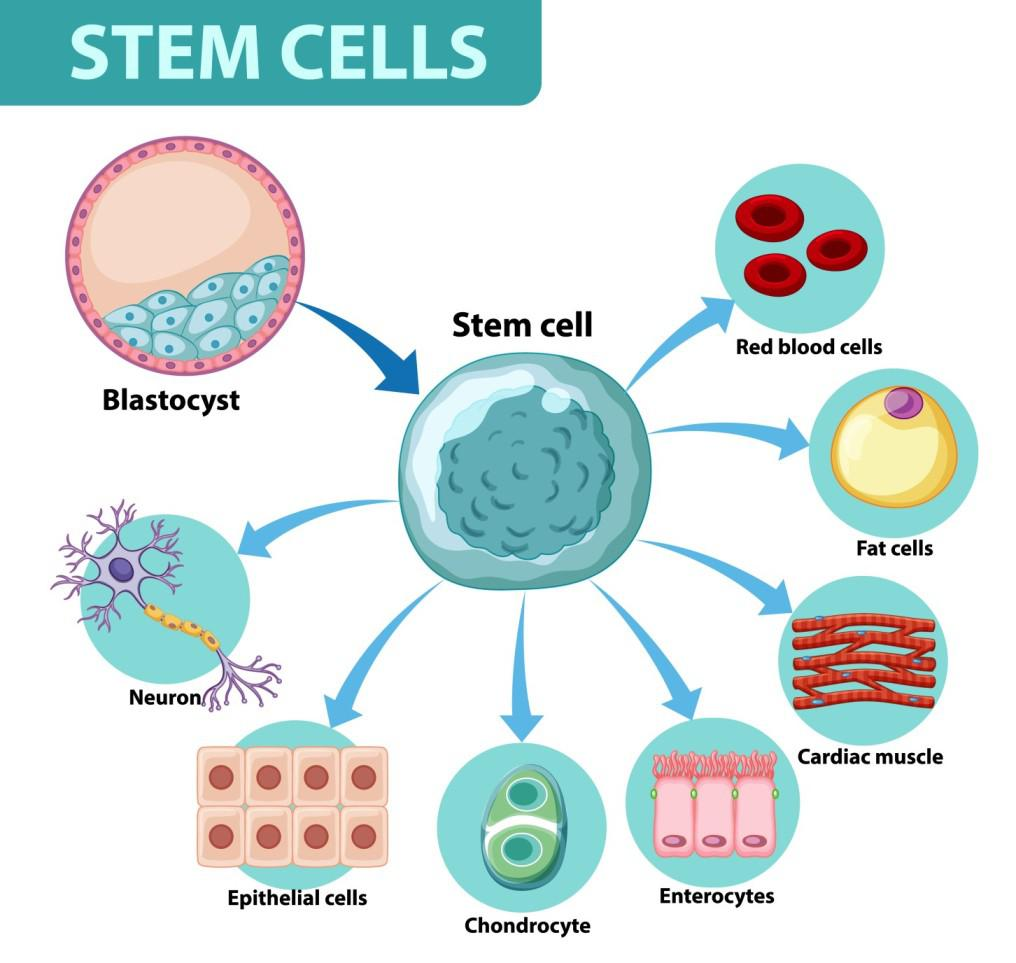
    Stem cells are unique in their ability to both self-renew and differentiate into specialised cell types. They play a crucial role in growth, development, and repair in multicellular organisms. Potency describes the range of cell types a stem cell can produce. Different levels of potency are observed throughout development, from the zygoteโ€™s totipotency to the restricted capabilities of adult stem cells.

    โค๏ธ CAS Link: Volunteer with a blood donation and marrow registry campaign to raise awareness about stem cell therapies and their role in treating blood cancers.

    • Self-renewal โ€” ability to divide and produce more stem cells without differentiating.
    • Differentiation โ€” ability to become specialised cells with specific functions.
    • Present in both embryos (embryonic stem cells) and certain adult tissues (adult stem cells).
    • Controlled by internal genetic factors and external signals from the stem cell niche.

    ๐Ÿง  Examiner Tip: Always link the type of potency with an example when answering application questions.

    • Specialised microenvironments that maintain stem cell properties.
    • Provide chemical signals, cell-to-cell contact, and physical support.
    • Examples:
      • Bone marrow โ€” hematopoietic stem cells produce blood cells.
      • Hair follicles โ€” stem cells regenerate hair.
      • Intestinal crypts โ€” stem cells replace gut lining cells every few days.

    ๐ŸŒ Real-World Connection: Research into recreating niches in vitro is key to improving stem cell therapies.

    • Totipotent โ€” zygote and early embryonic cells; can form an entire organism including placenta.
    • Pluripotent โ€” embryonic stem cells from blastocyst; can form all body cells but not placenta.
    • Multipotent โ€” adult stem cells (e.g., hematopoietic) producing a limited set of cells.
    • Unipotent โ€” satellite cells in muscle; can only produce muscle cells.

    ๐Ÿ” TOK Perspective: The ethics of embryonic stem cell research highlight tensions between scientific potential and moral considerations.

    • Zygote โ€” totipotent, capable of producing all embryonic and extraembryonic tissues.
    • Inner cell mass of blastocyst โ€” pluripotent, leading to all body tissues.
    • Bone marrow โ€” multipotent, producing red blood cells, white blood cells, platelets.
    • Skin stem cells โ€” unipotent, producing keratinocytes.
    ๐Ÿ“ Paper 2: Data Response Tip: When interpreting stem cell potency diagrams, identify cell fate restrictions over time.

  • TermDefinition
    RibosomeOrganelle responsible for protein synthesis, composed of rRNA and proteins.
    Rough Endoplasmic Reticulum (RER)Membrane network with ribosomes attached, involved in protein modification.
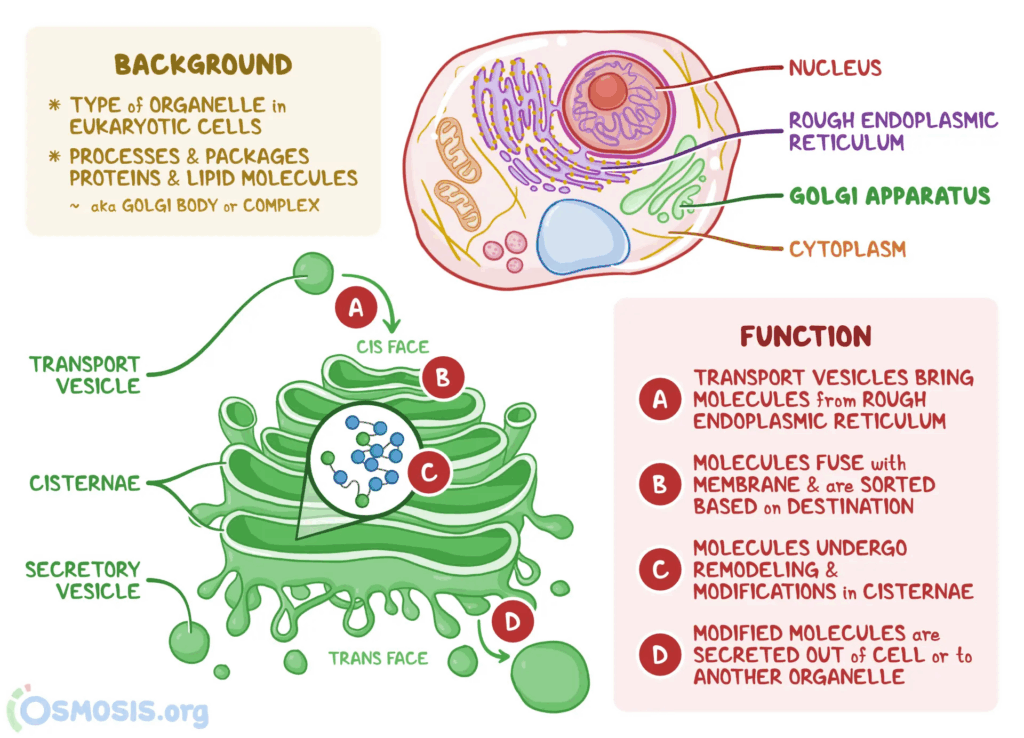
    Golgi ApparatusOrganelle that modifies, sorts, and packages proteins and lipids for transport.
    VesicleSmall membrane-bound sac used to transport substances within or outside the cell.
    ExocytosisProcess of vesicle fusion with the plasma membrane to release contents.

    Protein synthesis and vesicle transport are essential for the functioning of eukaryotic cells. These processes involve multiple organelles working together to produce, modify, and transport proteins to their final destinations.

    โค๏ธ CAS Link: Organise a hands-on classroom demonstration where students build a โ€œprotein pathwayโ€ model showing ribosomes, ER, Golgi apparatus, and vesicles.

    • Free ribosomes: Produce proteins for use within the cytoplasm.
    • Bound ribosomes on RER: Produce proteins for secretion or for membranes.
    • RER: Modifies proteins (e.g., folding, adding carbohydrate groups).
    • Signal sequences direct proteins to their correct cellular location.
    • Ribosomes composed of 70S in prokaryotes, 80S in eukaryotes โ€” a common exam point.
    • Protein synthesis is tightly regulated to conserve resources and ensure accuracy.

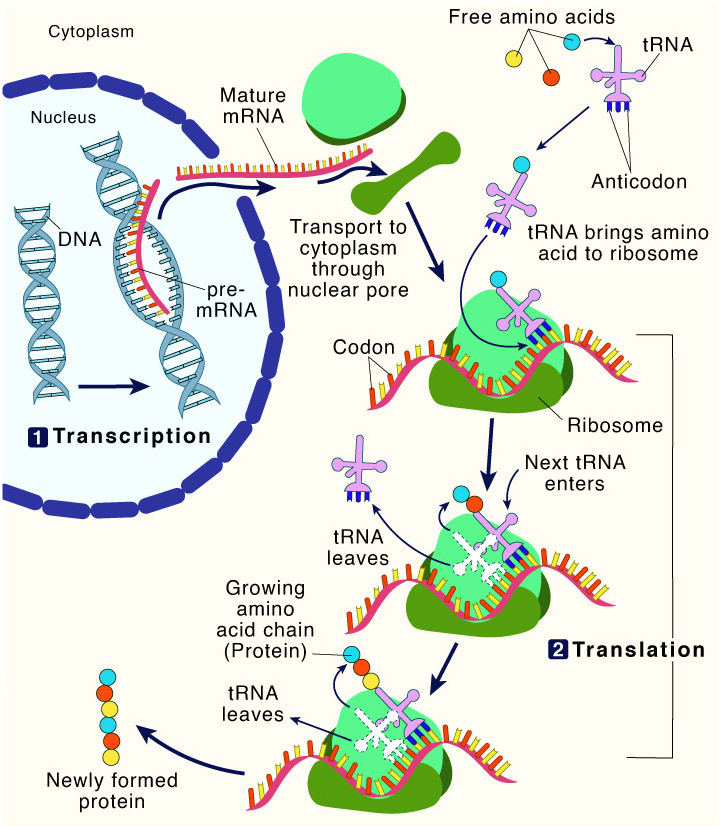
    ๐Ÿง  Examiner Tip: If asked about protein synthesis, mention both transcription and translation, and link the ribosome location to the proteinโ€™s final destination.

    • Cis face: Receives proteins from RER in transport vesicles.
    • Cisternae: Flattened membrane sacs where proteins are modified (e.g., glycosylation, phosphorylation).
    • Trans face: Ships proteins in vesicles to final destinations.
    • Proteins are sorted for lysosomes, the plasma membrane, or secretion.
    • Golgi also processes lipids and produces some polysaccharides.

    ๐ŸŒ Real-World Connection: Defective Golgi function can cause Congenital Disorders of Glycosylation (CDG), leading to severe developmental issues.

    • Vesicles bud from donor membranes (e.g., RER, Golgi) and fuse with target membranes.
    • Coat proteins (like clathrin) help shape vesicles and select cargo.
    • Vesicle movement is facilitated by motor proteins along cytoskeletal tracks.
    • Exocytosis: Secretion of hormones, enzymes, or neurotransmitters.
    • Endocytosis: Uptake of external materials, which may then be processed by lysosomes.
    • Essential for rapid and regulated material exchange.

    โš—๏ธ IA Tips & Guidance: An IA could track enzyme secretion in yeast or bacteria over time using a measurable colour change in the medium, linking vesicle function to secretion efficiency.

    ๐Ÿ“ Paper 2: Data Response Tip: In vesicle-related diagrams, trace the protein pathway step-by-step and clearly identify the role of each organelle.

  • TermDefinition
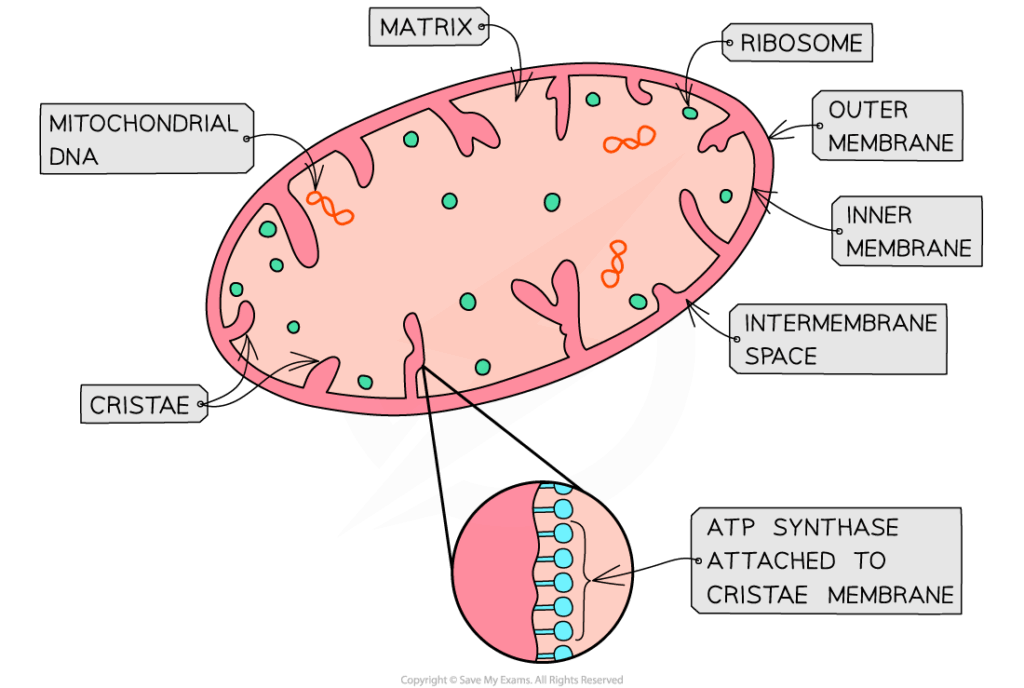
    CristaeFolds of the inner mitochondrial membrane that increase surface area for ATP production.
    MatrixFluid-filled space inside mitochondria containing enzymes, ribosomes, and mitochondrial DNA.
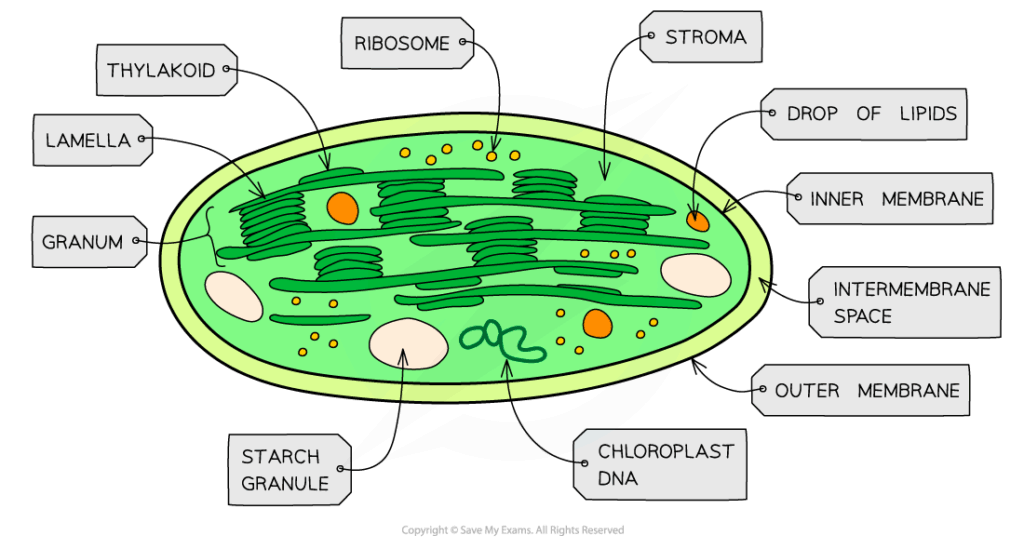
    ThylakoidFlattened membrane-bound sac in chloroplasts where light-dependent reactions occur.
    StromaFluid-filled space in chloroplasts containing enzymes, ribosomes, and DNA.
    PhotosystemProtein-pigment complex in thylakoid membranes that captures light energy.

    Mitochondria and chloroplasts are double-membrane organelles responsible for ATP production through respiration and photosynthesis respectively. Their structures are highly adapted to maximise efficiency in energy conversion.

    โค๏ธ CAS Link: Create an interactive 3D model of mitochondria and chloroplasts for a school science fair, explaining how each adaptation aids energy production.

    • Double membrane: Outer membrane allows molecule entry; inner membrane is highly selective and folded into cristae.
    • Cristae: Increase surface area for the electron transport chain and ATP synthase.
    • Matrix: Contains enzymes for the Krebs cycle, ribosomes for protein synthesis, and mitochondrial DNA for enzyme production.
    • Intermembrane space: Allows accumulation of protons for chemiosmosis.
    • Small size: Increases surface area-to-volume ratio for faster diffusion of substrates and products.
    • Dynamic nature: Can change shape and number to meet cell energy demands.

    ๐Ÿง  Examiner Tip: Always link the structure of cristae to increased ATP production capacity in mitochondria-related questions.

    • Double membrane: Controls exchange of substances with cytoplasm.
    • Thylakoids: Contain photosystems, electron carriers, and ATP synthase for the light-dependent stage of photosynthesis.
    • Grana: Stacks of thylakoids increase surface area for light absorption.
    • Stroma: Contains enzymes for the Calvin cycle, ribosomes, and chloroplast DNA.
    • Pigments: Chlorophyll a, chlorophyll b, and carotenoids absorb different wavelengths of light.
    • Interconnected thylakoid membranes: Efficient transport of energy and products between light-dependent and light-independent reactions.

    ๐ŸŒ Real-World Connection: Chloroplast adaptation research has been used in developing high-efficiency crop plants through genetic modification.

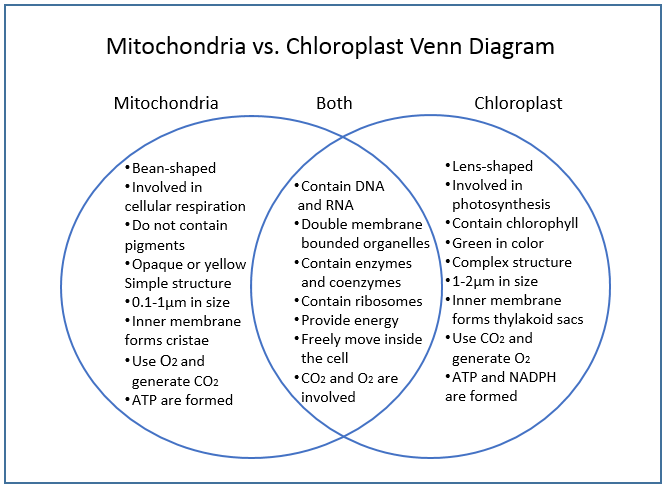
    • Both have double membranes, DNA, and 70S ribosomes โ€” enabling production of some proteins independently of the nucleus.
    • Both generate ATP through chemiosmosis using electron transport chains.
    • Both maintain proton gradients across internal membranes.
    • Endosymbiotic theory explains their origin from free-living prokaryotes.
    • Presence of multiple copies of DNA and ribosomes allows rapid synthesis of proteins for energy conversion.

    ๐Ÿ” TOK Perspective: The acceptance of the endosymbiotic theory shows how competing hypotheses can exist until technological advances (e.g., DNA sequencing) provide conclusive evidence.

    ๐ŸŒ EE Focus: An EE could investigate variations in chloroplast density between sun and shade leaves using microscopy and image analysis software.

  • TermDefinition
    OrganelleA specialised subunit within a cell with a specific function, usually membrane-bound.
    CompartmentalisationSeparation of cellular activities into different organelles or areas of the cell.
    CytoplasmFluid matrix inside the cell containing organelles and dissolved substances.
    CytoskeletonNetwork of protein filaments providing shape, support, and transport pathways.
    Cell FractionationLaboratory process to separate organelles by centrifugation based on size/density.

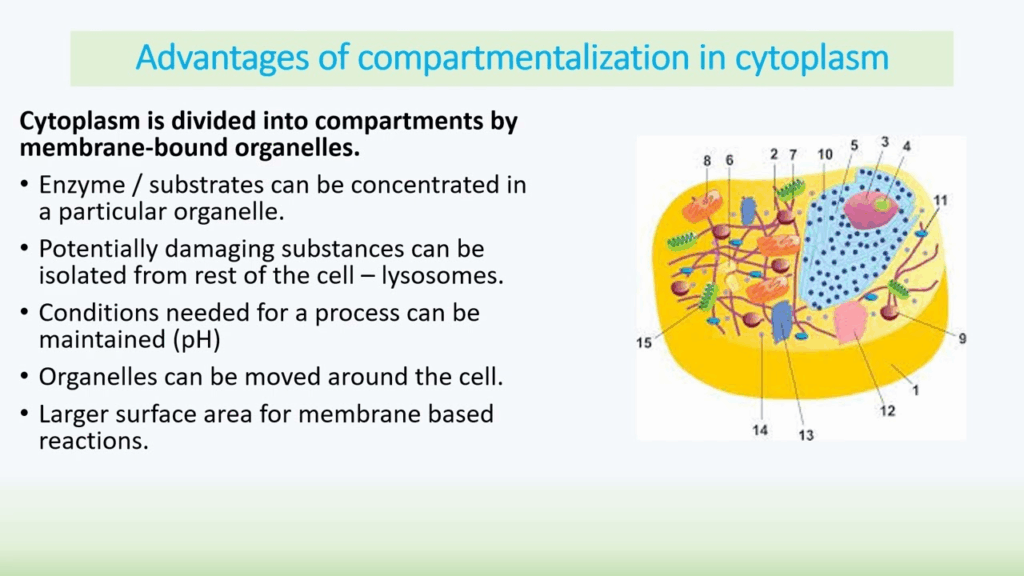
    Eukaryotic cells are highly organised, with distinct compartments called organelles. This compartmentalisation allows specialisation of functions, prevents interference between incompatible processes, and maintains optimal conditions for reactions. It is one of the defining differences between prokaryotic and eukaryotic cells.

    โค๏ธ CAS Link: Organise a cell biology lab activity for younger students, using microscopes to compare plant and animal cell structures and identify organelles.

    • Isolates harmful substances, e.g., digestive enzymes in lysosomes.
    • Allows different parts of the cell to maintain different environments (pH, ion concentration).
    • Localises enzymes and substrates for efficiency.
    • Enables simultaneous but incompatible processes (e.g., aerobic respiration and photosynthesis in plant cells).
    • Provides flexibility โ€” organelle numbers can change based on cell needs.
    • Increases surface area for metabolic reactions (e.g., cristae in mitochondria).

    ๐Ÿง  Examiner Tip: In questions comparing prokaryotic and eukaryotic cells, always link the presence of membrane-bound organelles to compartmentalisation benefits.

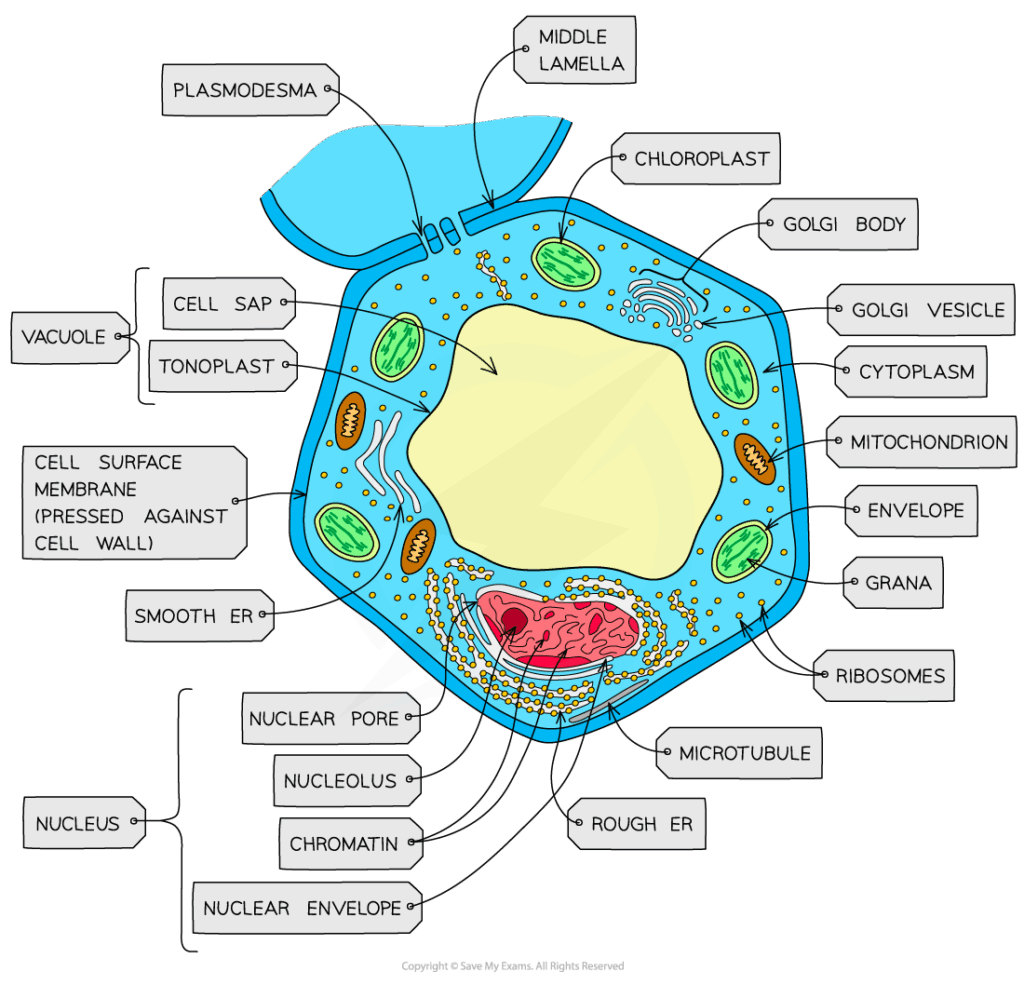
    • Nucleus: Stores genetic information, coordinates cell activities.
    • Mitochondria: ATP production via aerobic respiration.
    • Chloroplasts: Photosynthesis in plant and algal cells.
    • Endoplasmic reticulum (ER): Smooth ER synthesises lipids; Rough ER modifies proteins.
    • Golgi apparatus: Modifies, packages, and distributes proteins and lipids.
    • Lysosomes: Digestive enzymes for breakdown of waste and pathogens.
    • Peroxisomes: Detoxification and fatty acid breakdown.

    ๐ŸŒ Real-World Connection: Defective lysosomes cause Tay-Sachs disease, leading to lipid accumulation in neurons.

    • Cell fractionation separates organelles by density using ultracentrifugation.
    • Electron microscopy reveals fine structural details.
    • Staining techniques highlight specific organelles.
    • Advances in imaging (e.g., cryo-electron microscopy) allow 3D reconstruction of organelles in near-native states.
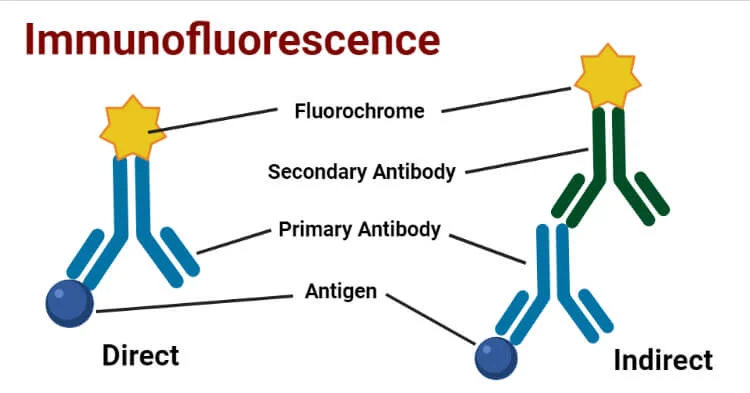
    • Immunofluorescence labelling can identify proteins in specific organelles.

    ๐ŸŒ EE Focus: An EE could investigate mitochondrial density in muscle cells under different activity levels using electron microscopy images.

    โš—๏ธ IA Tips & Guidance: Possible IA โ€” compare enzyme activity from isolated organelles (e.g., catalase activity from peroxisomes in different plant tissues). Include proper controls and replicate trials for accuracy.

    ๐Ÿ“ Paper 2: Data Response Tip: When explaining the hydrothermal vent hypothesis, always include energy source, protection from UV, and chemical gradients for full marks

  • TermDefinition
    Cell Adhesion Molecule (CAM)Protein on the cell surface that binds to other cells or the extracellular matrix.
    Extracellular Matrix (ECM)Network of proteins and carbohydrates outside cells providing support and communication.
    Tight JunctionCell junction forming a seal to prevent leakage between cells.
    DesmosomeStrong cell junction linking cytoskeletons of adjacent cells.
    Gap JunctionChannel linking cytoplasm of two cells for molecule/ion exchange.

    Membranes are not just passive barriers โ€” they actively participate in cell adhesion, communication, and coordination of activities between cells. Proteins and carbohydrates embedded in or attached to membranes facilitate these interactions, which are essential for tissue formation, signalling, and maintaining homeostasis.

    โค๏ธ CAS Link: Volunteer in a biology outreach program explaining how cancer research targets cell adhesion to prevent metastasis.

    • Cell adhesion molecules (CAMs) anchor cells to each other and the ECM.
    • CAMs interact with cytoskeleton and signalling pathways.
    • Extracellular matrix (ECM) is composed of collagen, glycoproteins, and proteoglycans.
    • ECM provides structural support and regulates cell behaviour.
    • ECM composition varies by tissue type and function.
    • Changes in CAM expression are linked to developmental processes and diseases.

    ๐Ÿง  Examiner Tip: In tissue-related questions, always link ECM and adhesion molecules to both structure and communication roles.

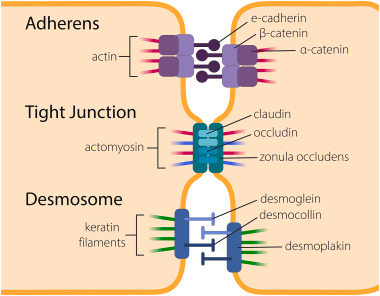
    • Tight junctions: Create a watertight seal, preventing leakage (e.g., epithelial lining in gut).
    • Adherens junctions: Connect actin cytoskeleton between cells for mechanical stability.
    • Desmosomes: Anchor intermediate filaments; found in skin and heart muscle for strength.
    • Gap junctions: Allow direct communication via channels for ions and small molecules.
    • Junction types differ in protein composition and function.
    • Multiple junctions often work together in the same tissue.

    ๐ŸŒ Real-World Connection: Mutations in desmosomal proteins can lead to skin blistering diseases like pemphigus vulgaris.

    • Membrane receptors detect chemical signals (hormones, neurotransmitters) and trigger intracellular responses.
    • Signal transduction pathways amplify the initial signal inside the cell.
    • Membranes integrate signals from multiple sources to coordinate responses.
    • Receptor location and density influence sensitivity to signals.
    • Intercellular communication maintains tissue and organ homeostasis.
    • Faulty signalling can lead to cancer, diabetes, or autoimmune disorders.

    ๐ŸŒ EE Focus: Investigate the effect of membrane cholesterol on receptor function using cell culture experiments.

    โš—๏ธ IA Tips & Guidance: You could investigate how varying salt concentrations affect adhesion in onion epidermal cells using microscopy, quantifying changes in cell separation.

    ๐Ÿ“ Paper 2: Data Response Tip: When analysing diagrams of cell junctions, label the specific junction type and link it to its mechanical or communication role.

  • TermDefinition
    Passive TransportMovement of molecules down a concentration gradient without energy input.
    Simple DiffusionPassive movement of molecules directly through the lipid bilayer.
    Facilitated DiffusionPassive movement through a membrane via channel or carrier proteins.
    OsmosisPassive movement of water molecules through a selectively permeable membrane.
    Active TransportMovement of molecules against their concentration gradient using ATP.
    EndocytosisBulk transport of substances into the cell via vesicle formation.
    ExocytosisBulk transport of substances out of the cell via vesicle fusion with the membrane.

    Membrane transport mechanisms regulate the movement of substances into and out of cells, maintaining homeostasis. Transport can be passive (no energy required) or active (requires ATP). Bulk transport processes allow cells to move large molecules or whole particles using vesicles.

    โค๏ธ CAS Link: Design a lab demonstration for younger students showing osmosis using dialysis tubing and coloured solutions.

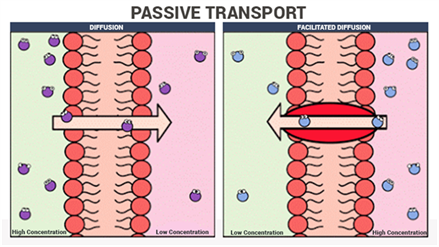
    • Molecules move down their concentration gradient.
    • Simple diffusion: Small, nonpolar molecules (Oโ‚‚, COโ‚‚) pass directly through the lipid bilayer.
    • Facilitated diffusion: Polar molecules and ions move through channel proteins (pores) or carrier proteins (shape change).
    • Rate of facilitated diffusion depends on number and availability of transport proteins.
    • Osmosis: Movement of water through aquaporins or directly across bilayer; driven by solute concentration differences.
    • Hypotonic, hypertonic, and isotonic solutions affect cell water balance.

    ๐Ÿง  Examiner Tip: For osmosis questions, always mention water potential differences rather than just โ€œconcentration.โ€

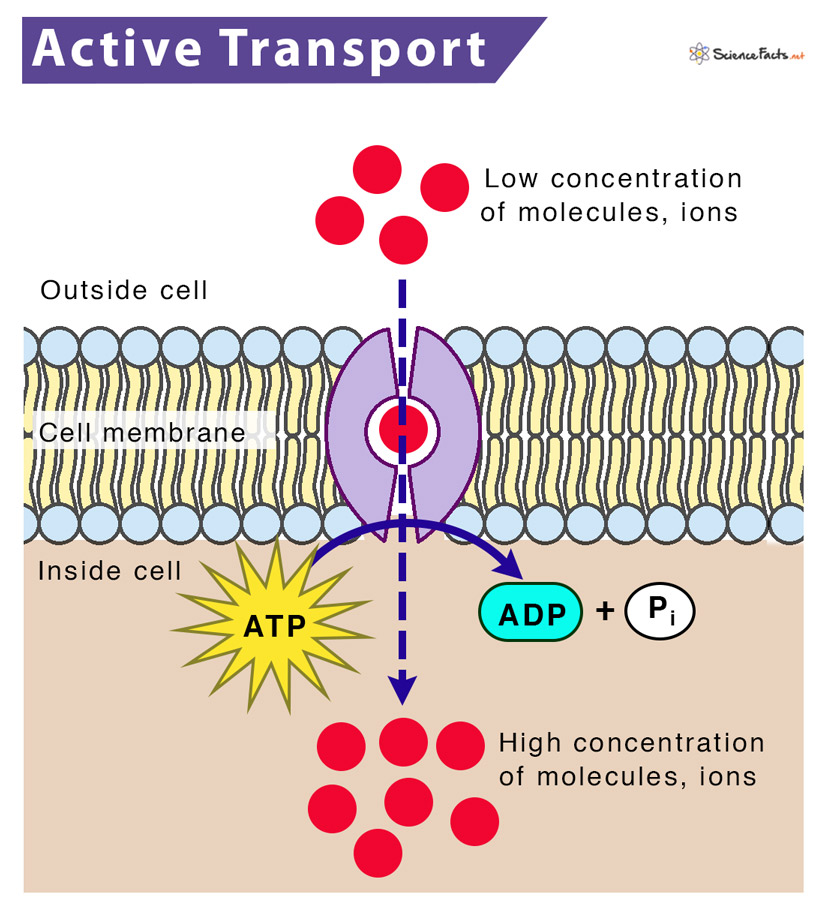
    • Moves molecules against their concentration gradient using ATP.
    • Performed by carrier proteins (pumps) โ€” undergo conformational changes powered by ATP hydrolysis.
    • Example: Sodium-potassium pump in neurons (3 Naโบ out, 2 Kโบ in per ATP).
    • Maintains electrochemical gradients critical for processes like nerve impulses and muscle contraction.
    • Active transport allows uptake of nutrients even when external concentrations are low.
    • Selective and tightly regulated by the cell.

    ๐ŸŒ Real-World Connection: Active transport is vital for nutrient absorption in the small intestine, especially in nutrient-poor environments.

    Endocytosis:

    • Phagocytosis: Engulfing large particles or cells.
    • Pinocytosis: Uptake of extracellular fluid and small molecules.
    • Receptor-mediated endocytosis: Specific uptake using membrane receptors.

    Exocytosis: Vesicles fuse with membrane to release contents (e.g., neurotransmitters).

    Requires ATP for vesicle movement and membrane fusion.

    Involves cytoskeleton for vesicle transport.

    Enables rapid and large-scale material exchange.

    Critical in immune responses (e.g., macrophage engulfing bacteria).

    ๐ŸŒ EE Focus: An EE could study vesicle trafficking rates in yeast or plant cells under different temperature conditions.

    ๐Ÿ“ Paper 2: Data Response Tip: In transport graph questions, always relate trends to concentration gradients, protein saturation, or ATP availability for full marks.

  • TermDefinition
    AmphipathicMolecule with both hydrophilic and hydrophobic regions.
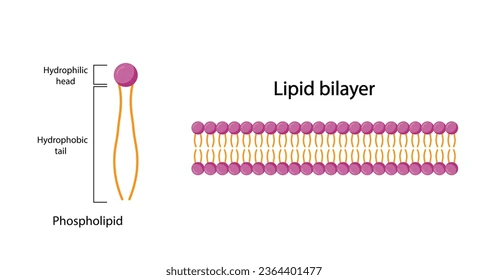
    PhospholipidLipid with two fatty acids and a phosphate group attached to glycerol.
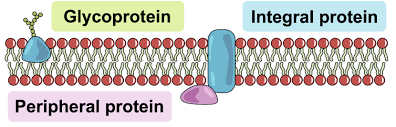
    Integral ProteinMembrane protein embedded within the lipid bilayer, often spanning the membrane.
    Peripheral ProteinMembrane protein loosely bound to the surface of the membrane.
    GlycolipidLipid with carbohydrate chain attached, involved in cell recognition.
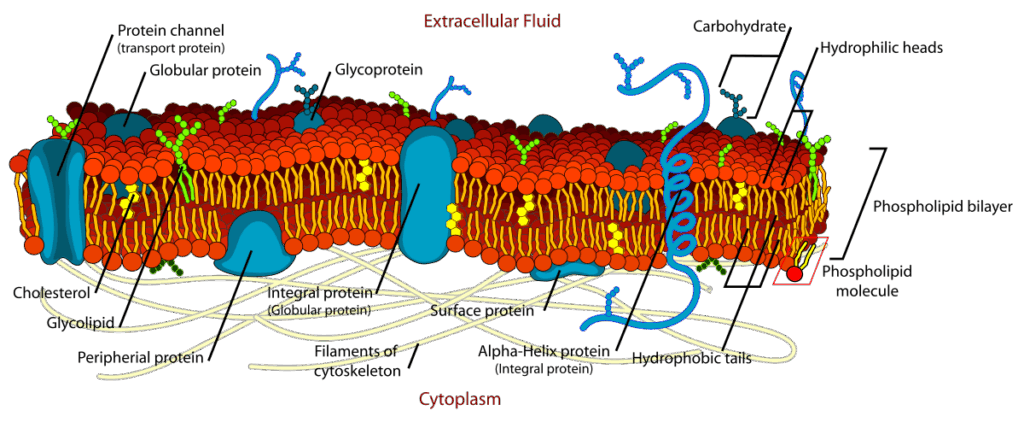
    Fluid Mosaic ModelModel describing the membrane as a dynamic structure with proteins embedded in a fluid lipid bilayer.

    The plasma membrane is a selectively permeable barrier that controls the entry and exit of substances, enabling compartmentalisation and communication. Its amphipathic phospholipid bilayer forms the basic structure, with embedded proteins, cholesterol, and carbohydrates providing additional functions.

    โค๏ธ CAS Link: Lead a microscopy demonstration for junior students, showing onion epidermis or cheek cells stained to highlight membranes.

    • Composed of phospholipids arranged with hydrophilic heads outwards and hydrophobic tails inwards.
    • Amphipathic nature creates a barrier to polar molecules and ions.
    • Bilayer provides flexibility and allows for self-healing.
    • Fatty acid composition (saturated vs unsaturated) affects fluidity.
    • Cholesterol interspersed in the bilayer moderates fluidity โ€” reduces movement at high temperatures, prevents solidification at low temperatures.
    • Membrane asymmetry โ€” different lipid composition in inner vs outer leaflet.

    ๐Ÿง  Examiner Tip: Always connect phospholipid amphipathic nature to selective permeability in long-answer questions.

    • Integral proteins: Span the bilayer, often involved in transport, receptors, and enzyme activity.
    • Peripheral proteins: Attached to membrane surface; often act in cell signalling or as structural anchors.
    • Transport proteins: channel proteins (passive transport) and carrier proteins (active/facilitated transport).
    • Receptor proteins: bind to specific signalling molecules, triggering responses.
    • Enzymatic proteins: catalyse reactions at the membrane surface.
    • Adhesion proteins: help cells stick together in tissues.

    ๐ŸŒ Real-World Connection: Mutations in membrane transport proteins can cause diseases such as cystic fibrosis.

    • Glycolipids: Lipid + carbohydrate chain; aid in cell recognition and stability.
    • Glycoproteins: Protein + carbohydrate chain; function in signalling, immune recognition, and adhesion.
    • Carbohydrate chains extend outward into the extracellular space forming the glycocalyx.
    • Important in tissue formation and immune defence.
    • Pathogens may exploit glycocalyx for attachment to host cells.
    • Serve as antigens in blood groups (A, B, AB, O).

    ๐ŸŒ EE Focus: Investigate the role of glycoproteins in pathogen binding using microscopy or biochemical assays.

    • Proposed by Singer & Nicolson (1972).
    • Membrane is a fluid lipid bilayer with proteins embedded, giving a mosaic appearance.
    • Components are dynamic โ€” lateral movement of lipids and proteins.
    • Explains membrane flexibility, repair, and transport function.
    • Supported by freeze-fracture electron microscopy evidence.
    • Protein mobility can be restricted by cytoskeletal attachments.

    ๐Ÿ” TOK Perspective: The shift from the Davson-Danielli model to the Fluid Mosaic Model highlights how new evidence can overturn long-accepted scientific models.

    ๐Ÿ“ Paper 1 Tip: If asked to label a membrane diagram, always include phospholipid bilayer, integral proteins, peripheral proteins, cholesterol, glycoproteins, and glycolipids for maximum marks.

  • TermDefinition
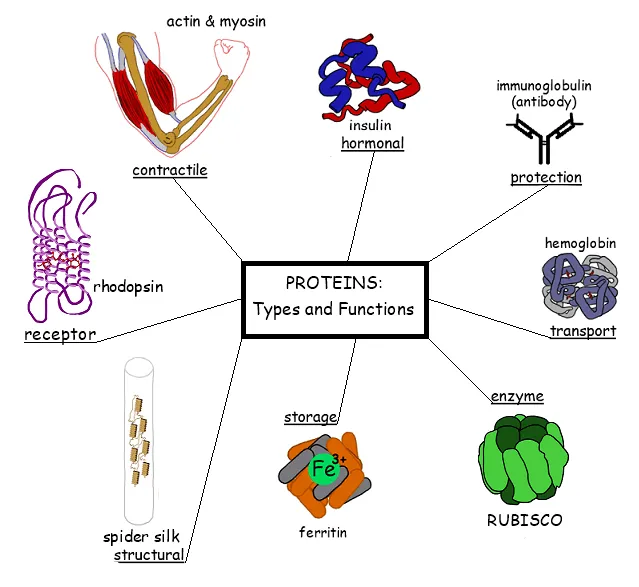
    Structural ProteinProtein providing mechanical support and strength (e.g., collagen).
    Functional ProteinProtein performing dynamic roles like catalysis, transport, or signalling.
    ImmunoglobulinAntibody protein involved in immune defence.
    Hormonal ProteinProtein that acts as a chemical messenger (e.g., insulin).
    RhodopsinLight-sensitive receptor protein in the retina.

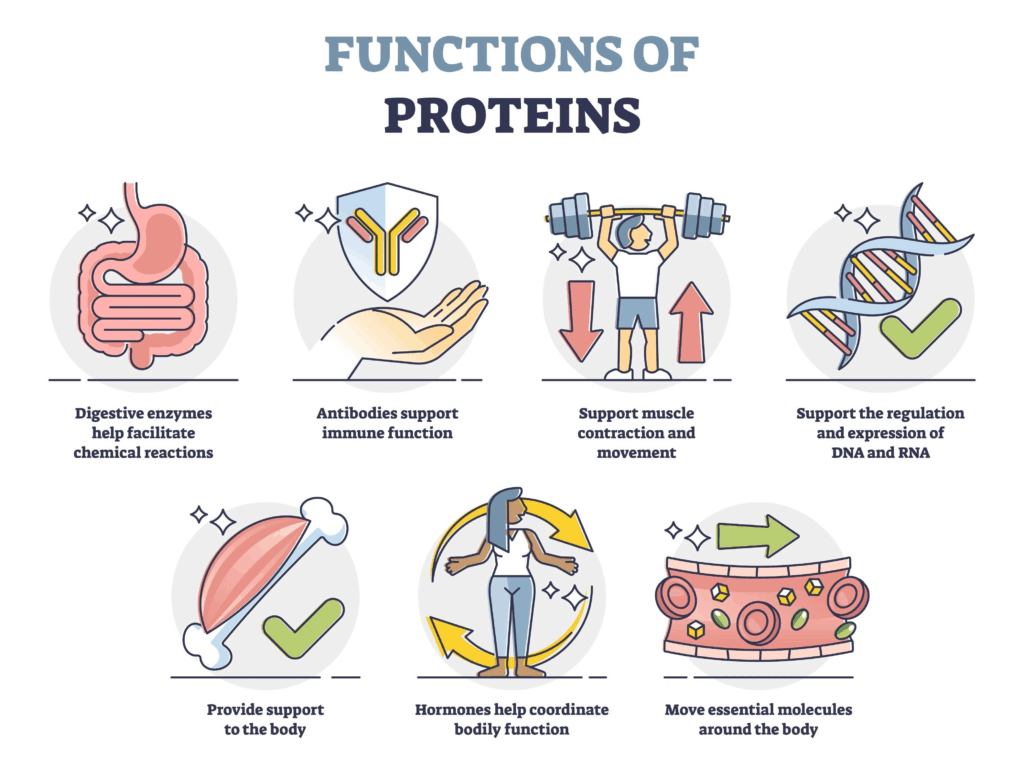
    Specialised proteins perform highly specific roles, often crucial to survival. These functions range from maintaining structural integrity to enabling complex biochemical reactions, immune defence, sensory perception, and hormonal regulation. Their unique structures allow them to operate efficiently in a wide variety of environmental and physiological conditions.

    โค๏ธ CAS Link: Organise a science outreach event where you present real-life applications of specialised proteins in medicine and industry, such as insulin therapy and antibody testing.

    • Provide mechanical strength, elasticity, and protection.
    • Collagen: Found in connective tissue, high tensile strength due to triple-helix structure.
    • Spider Silk: Stronger than steel by weight; flexible and elastic.
    • Often repetitive amino acid sequences for regular structure.
    • Insoluble in water โ€” ideal for long-term structural roles.
    • Used in biomedical materials like sutures and tissue scaffolds.

    ๐Ÿง  Examiner Tip: When comparing structural proteins, mention both strength and flexibility where applicable (e.g., spider silk vs. collagen).

    • Rubisco: Catalyses carbon fixation in photosynthesis; most abundant enzyme on Earth.
    • Haemoglobin: Transports oxygen in red blood cells via iron-containing haem groups.
    • Myoglobin: Stores oxygen in muscles for rapid release during activity.
    • Enzyme activity depends on tertiary and quaternary structure.
    • Denaturation or mutation can impair function (e.g., sickle-cell anaemia).
    • Transport proteins often undergo conformational changes to move substances.

    ๐ŸŒ Real-World Connection: Artificial haemoglobin research aims to develop blood substitutes for transfusions in emergencies.

    • Immunoglobulins: Antibodies that recognise and bind to specific antigens.
    • Diverse variable regions allow recognition of millions of pathogens.
    • Insulin: Regulates blood glucose; produced by ฮฒ-cells in the pancreas.
    • Hormonal proteins often act at low concentrations but have large effects.
    • Signalling proteins (e.g., cytokines) coordinate immune responses.
    • Protein hormones bind to receptors, triggering signal cascades.

    ๐ŸŒ EE Focus: An EE could analyse antibody binding specificity using ELISA or similar immunoassays.

    • Rhodopsin: Pigment-protein in photoreceptor cells; changes shape when absorbing light, triggering nerve impulses.
    • Heat-shock proteins protect cells from stress by refolding damaged proteins.
    • Antifreeze proteins prevent ice crystal growth in polar fish.
    • Adaptations allow survival in extreme environments (high temperature, salinity, or acidity).
    • Sensory proteins are often linked to rapid structural changes for signal transduction.
    • Many adaptive proteins are being explored for biotechnological applications.

    ๐Ÿ” TOK Perspective: How does our understanding of โ€œfunctionโ€ in proteins reflect a human-centric viewpoint focused on usefulness to us rather than in nature?

    ๐Ÿ“ Paper 2: Data Response Tip: In function-based questions, name the protein and explicitly link its structure to its function โ€” generic descriptions lose marks.

  • TermDefinition
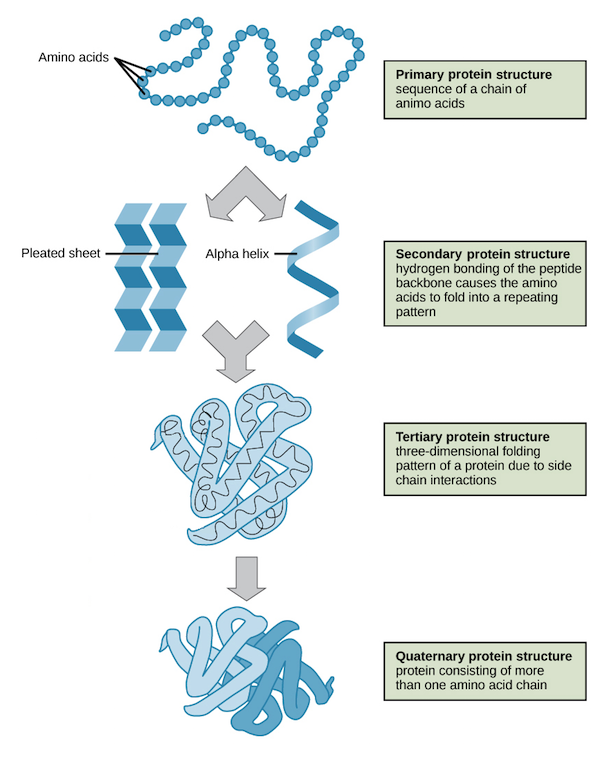
    Primary StructureThe sequence of amino acids in a polypeptide chain.
    Secondary StructureLocal folding of the polypeptide into ฮฑ-helices or ฮฒ-pleated sheets, stabilised by hydrogen bonds.
    Tertiary StructureThe overall 3D shape of a single polypeptide, determined by R-group interactions.
    Quaternary StructureThe association of two or more polypeptide chains into a functional protein.
    DenaturationLoss of proteinโ€™s native structure (and function) due to changes in pH, temperature, or chemicals.
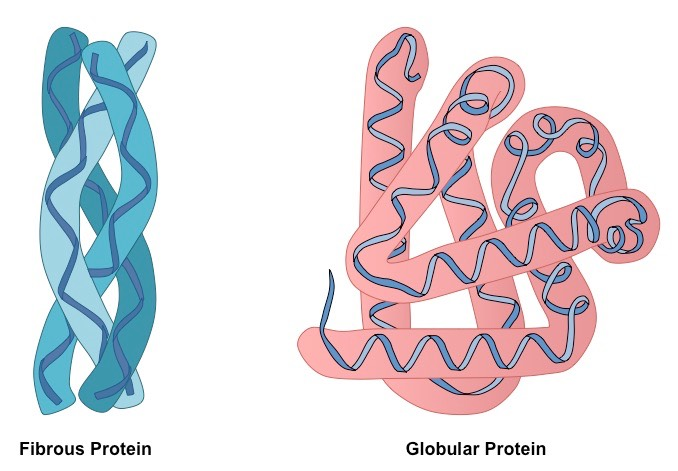
    Globular ProteinSpherical, soluble protein with functional roles (e.g., enzymes).
    Fibrous ProteinLong, insoluble protein with structural roles (e.g., collagen).

    Protein structure is hierarchical, progressing from a simple amino acid sequence to complex, functional 3D shapes. These structures are stabilised by various chemical interactions, and even minor changes can alter a proteinโ€™s function or cause denaturation. The specific folding of proteins determines their biological role โ€” from catalysis to structural support.

    โค๏ธ CAS Link: Create a protein structure model exhibition using materials like clay or 3D-printed parts to illustrate primary through quaternary levels.

    • Primary: Unique sequence of amino acids; determines higher structures and function.
    • Secondary: ฮฑ-helices and ฮฒ-pleated sheets formed by hydrogen bonds between backbone atoms.
    • Tertiary: 3D folding due to R-group interactions โ€” hydrogen bonds, ionic bonds, hydrophobic interactions, disulphide bridges.
    • Quaternary: Multiple polypeptides combining (e.g., haemoglobin with four subunits).
    • Each level is critical; mutations in the primary sequence can disrupt the entire structure.
    • Proteins can be structural (fibrous) or functional (globular).

    ๐Ÿง  Examiner Tip: In long-answer questions, describe at least one type of bond stabilising each structural level for full marks.

    • Temperature: High heat breaks hydrogen bonds, causing denaturation.
    • pH: Changes alter ionic bonds and disrupt folding.
    • Chemical Agents: Organic solvents, detergents can disrupt hydrophobic interactions.
    • Salt Concentration: High salt can precipitate proteins by disrupting water interactions.
    • Some proteins can refold after mild denaturation; others cannot.
    • Extremophiles possess proteins stable in extreme conditions.

    ๐ŸŒ Real-World Connection: Enzymes in hot-spring bacteria (e.g., Taq polymerase) are stable at high temperatures and vital for PCR technology.

    • Globular: Compact, soluble, dynamic roles (enzymes, hormones, transport). Example: insulin, haemoglobin.
    • Fibrous: Long, insoluble, structural roles (collagen in connective tissue, spider silk).
    • Differences arise from amino acid sequences and folding patterns.
    • Fibrous proteins often have repetitive sequences for strength.
    • Globular proteins often have hydrophobic cores and hydrophilic surfaces.
    • Structural type relates directly to biological role.

    ๐ŸŒ EE Focus: Investigate thermal stability of different protein types, comparing globular vs fibrous under lab conditions.

    • X-ray crystallography: Determines atomic structure.
    • Cryo-electron microscopy (cryo-EM): Visualises proteins without crystallisation.
    • NMR spectroscopy: Used for proteins in solution.
    • Advances in tech reveal protein folding pathways and dynamics.
    • Structural databases store resolved protein models (e.g., Protein Data Bank).
    • Computational modelling predicts folding for unstudied proteins.

    ๐Ÿ” TOK Perspective: How do technological advances shape our โ€œcertaintyโ€ about protein structure, and could future tools prove current models incomplete?

    ๐Ÿ“ Paper 2: Data Response Tip: When asked to compare protein structures, link shape to function โ€” e.g., haemoglobinโ€™s quaternary structure to oxygen transport.

  • TermDefinition
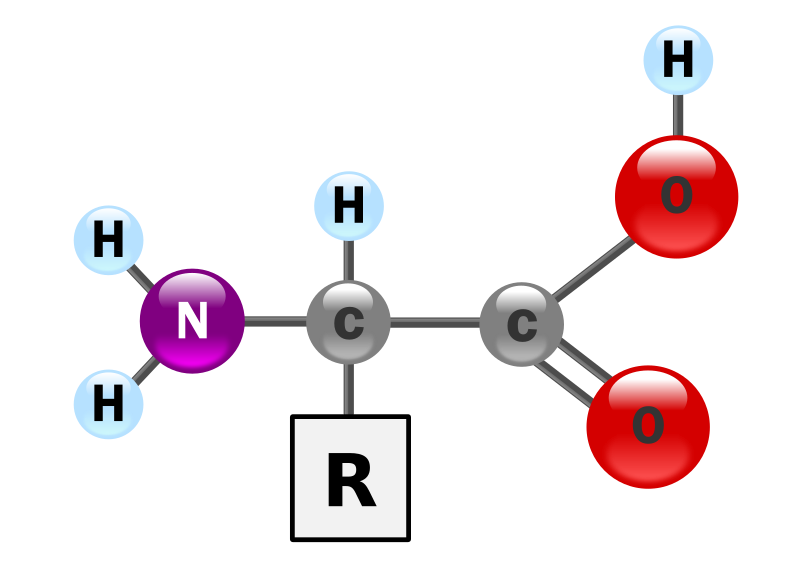
    Amino AcidOrganic molecule containing an amino group, carboxyl group, hydrogen, and R-group.
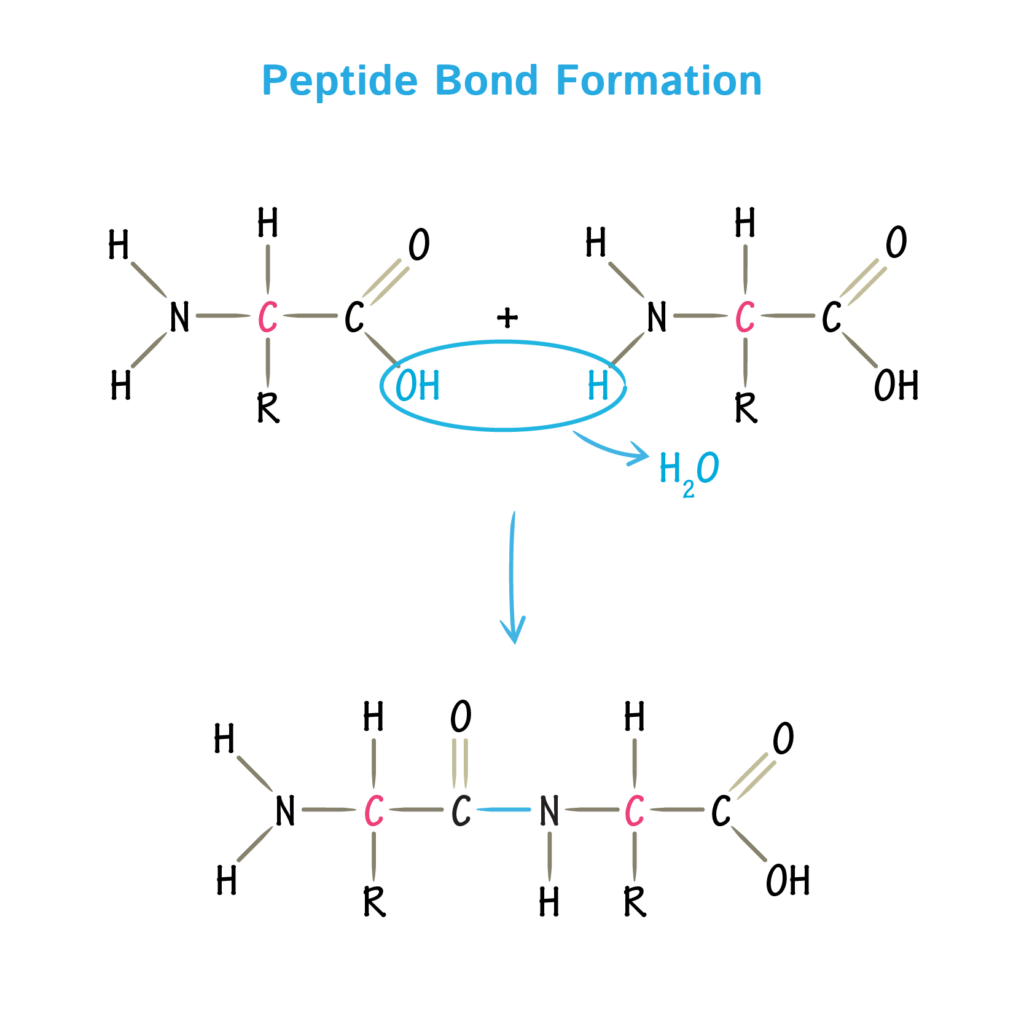
    Peptide BondCovalent bond formed between two amino acids during condensation.
    PolypeptideChain of amino acids linked by peptide bonds.
    Essential Amino AcidAmino acid that must be obtained from the diet because the body cannot synthesise it.
    Non-Essential Amino AcidAmino acid that can be synthesised by the body.
    Condensation ReactionChemical reaction that joins monomers, releasing water.

    Proteins are polymers of amino acids, each with unique R-groups that determine the proteinโ€™s shape and function. The sequence of amino acids is coded for by mRNA, meaning protein variety is directly linked to genetic diversity. Different combinations of the 20 amino acids allow for millions of possible protein structures and functions.

    โค๏ธ CAS Link: Run a school science club workshop where students model amino acids and build polypeptides with ball-and-stick kits to demonstrate condensation reactions.

    • Amino acids have a central carbon atom bonded to an amino group (โ€“NHโ‚‚), carboxyl group (โ€“COOH), hydrogen, and a variable R-group.
    • The R-group determines chemical properties (polar, nonpolar, acidic, basic).
    • There are 20 naturally occurring amino acids in the genetic code.
    • Some amino acids have unique features (e.g., cysteine forms disulphide bonds).
    • Classification: essential (must be obtained in diet) and non-essential (synthesised by the body).
    • Amino acids are amphoteric โ€” can act as both acids and bases.

    ๐Ÿง  Examiner Tip: When drawing amino acids, always show the central carbon with four bonds โ€” missing the hydrogen or R-group loses accuracy marks.

    • Formed in condensation reactions between the carboxyl group of one amino acid and the amino group of another.
    • Results in a covalent peptide bond and release of a water molecule.
    • Reaction catalysed by ribosomes during translation.
    • Hydrolysis reactions break peptide bonds with the addition of water.
    • Sequence of amino acids (primary structure) is determined by the mRNA codon sequence.
    • Small peptides (dipeptides, tripeptides) can have biological functions (e.g., hormones, neurotransmitters).

    ๐ŸŒ Real-World Connection: The artificial synthesis of human insulin involves producing the exact amino acid sequence coded by the human INS gene, then folding it to match natural insulin function.

    • Polypeptides can be as short as a few amino acids or over 30,000 amino acids long.
    • Even small changes in sequence can cause major functional changes (e.g., sickle-cell haemoglobin mutation).
    • Different combinations of amino acids give rise to proteins with unique shapes and chemical properties.
    • Proteins may be made of a single polypeptide or multiple polypeptide subunits.
    • Post-translational modifications (e.g., glycosylation, phosphorylation) further increase diversity.
    • Structural diversity enables proteins to act in catalysis, signalling, transport, structural support, and defence.

    ๐Ÿ“ Paper 2: Data Response Tip: If shown amino acid diagrams, identify where the peptide bond forms โ€” examiners often award an easy diagram mark here.