Author: Admin

  • TermDefinition
    EukaryoteAn organism whose cells contain a nucleus and membrane-bound organelles. Includes plants, animals, fungi, and protists.
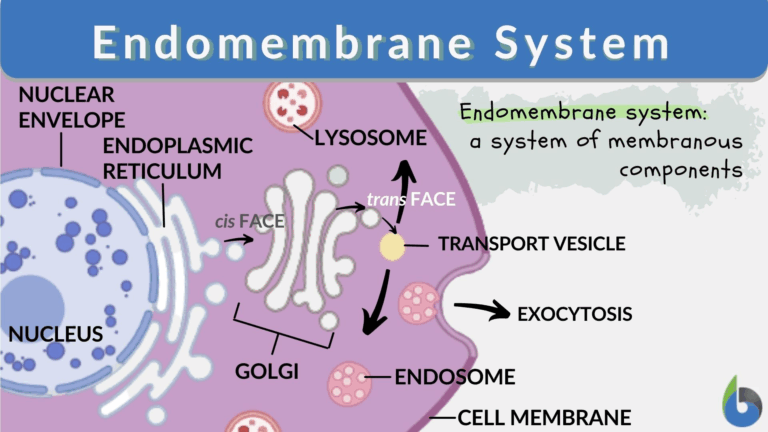
    Endomembrane SystemNetwork of membranes within the cell that synthesises, processes, and transports molecules.
    CytoskeletonNetwork of protein filaments providing structural support, intracellular transport, and cell movement.
    Endosymbiotic TheoryHypothesis that mitochondria and chloroplasts originated from free-living prokaryotes engulfed by ancestral eukaryotic cells.
    80S RibosomesLarger ribosomes found in eukaryotic cytoplasm, responsible for protein synthesis.

    Eukaryotic cells are more structurally complex than prokaryotes, containing a true nucleus and numerous membrane-bound organelles. This compartmentalisation allows for greater efficiency in metabolic processes and supports the specialised functions required by multicellular organisms. Eukaryotic cells are thought to have evolved through endosymbiosis, where ancestral cells incorporated prokaryotes that became permanent organelles such as mitochondria and chloroplasts. Their complexity enables functions such as coordinated signalling, advanced locomotion, and large-scale structural organisation in tissues and organs.

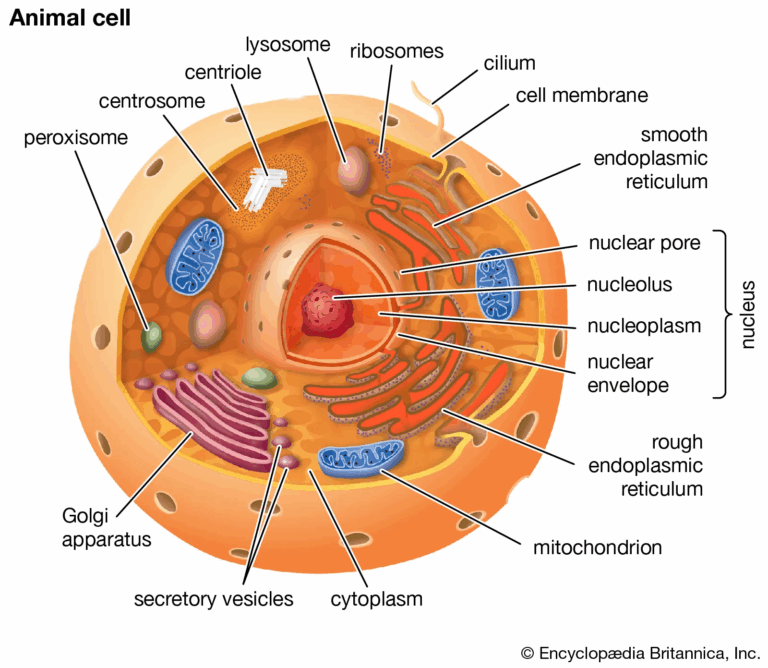
    • Nucleus enclosed by a double membrane, containing DNA and nucleolus for ribosome synthesis.
    • Endoplasmic reticulum (ER): rough ER (with ribosomes) synthesises proteins; smooth ER synthesises lipids and detoxifies toxins.
    • Golgi apparatus modifies, sorts, and packages proteins and lipids for secretion or intracellular use.
    • Mitochondria produce ATP through aerobic respiration, containing their own DNA and 70S ribosomes.
    • Chloroplasts (in plants/algae) perform photosynthesis and also contain their own DNA and 70S ribosomes.
    • Cytoskeleton (microtubules, microfilaments, intermediate filaments) maintains cell shape and enables transport.
    🧠 Examiner Tip: Always mention that mitochondria and chloroplasts have double membranes and their own DNA/ribosomes as evidence for endosymbiotic theory.

    • Mitochondria and chloroplasts are similar in size to prokaryotes.
    • Both have double membranes, consistent with engulfing events.
    • Both contain circular DNA like bacteria.
    • Both have 70S ribosomes, not 80S like the rest of the eukaryotic cell.
    • They replicate independently via binary fission.
    • Antibiotics that target bacterial ribosomes can also affect these organelles.

    🧬 IA Tips & Guidance: An IA could test effects of specific antibiotics on chloroplast activity in algae to model bacterial ribosome inhibition.

    • Cilia and flagella for movement (9+2 microtubule arrangement).
    • Lysosomes contain hydrolytic enzymes for digestion and recycling of cellular components.
    • Peroxisomes detoxify harmful substances and perform lipid metabolism.
    • Vacuoles in plant cells store water, nutrients, and waste.
    • Cell wall in plants, fungi, and some protists provides structural support.
    • Extracellular matrix (ECM) in animal cells helps with adhesion and signalling.

    🌐 EE Focus: An EE could investigate differences in cytoskeletal arrangements between animal and plant cells

    • Genetic control through regulated transcription and translation.
    • Energy transformation in mitochondria and chloroplasts.
    • Macromolecule synthesis in ER and Golgi apparatus.
    • Intracellular transport via vesicles and cytoskeletal tracks.
    • Signal transduction through receptor-ligand interactions at the plasma membrane.
    • Specialisation in multicellular organisms for tissue-specific functions.

    ❤️ CAS Link: A CAS activity could involve designing 3D models of

    🌍 Real-World Connection:
    Understanding eukaryotic structure is essential in medical research, particularly in cancer biology, where organelle function and signalling pathways are often altered.

    • Light microscopy reveals overall cell structure, organelles like chloroplasts and nucleus.
    • Transmission electron microscopy (TEM) shows internal details like cristae in mitochondria.
    • Scanning electron microscopy (SEM) provides 3D surface images of cells.
    • Fluorescence microscopy highlights specific organelles or proteins with dyes or GFP.
    • Confocal microscopy produces sharper, layered images of thick specimens.
    • Advances in microscopy have deepened our understanding of eukaryotic compartmentalisation.

    🔍 TOK Perspective: The endosymbiotic theory demonstrates how combining molecular, structural, and evolutionary evidence can
    📝 Paper 2: Expect to compare eukaryotic and prokaryotic cells, describe organelle functions, and use structural evidence to explain endosymbiotic theory.

  • TermDefinition
    ProkaryoteSingle-celled organism lacking a membrane-bound nucleus and organelles. Includes Bacteria and Archaea.
    PlasmidSmall, circular DNA molecule separate from chromosomal DNA, often carrying extra genes like antibiotic resistance.
    NucleoidRegion in a prokaryotic cell where the circular DNA is located, not enclosed by a membrane.
    Pilus (pili)Hair-like appendages on prokaryotes used for attachment or DNA transfer during conjugation.
    Binary FissionAsexual reproduction process in prokaryotes where the cell divides into two identical cells.

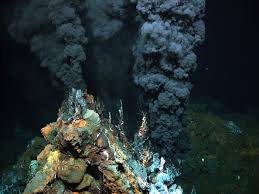
    Prokaryotic cells are the most ancient and structurally simple forms of life, appearing on Earth over 3.5 billion years ago. They lack a true nucleus and membrane-bound organelles, yet they perform all essential life functions such as metabolism, growth, and reproduction. Their compact and efficient structure allows them to thrive in diverse environments, from deep-sea vents to the human gut. Understanding prokaryotic cell structure is key to microbiology, biotechnology, and medicine, as many prokaryotes are either beneficial (e.g., nitrogen-fixing bacteria) or harmful (pathogens).

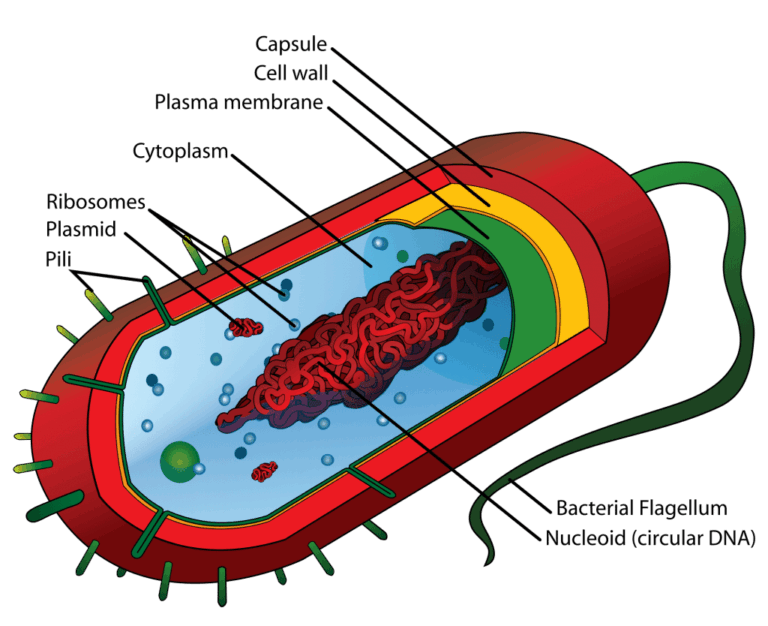
    • Cell wall composed of peptidoglycan (in Bacteria) or other polymers (in Archaea), providing shape and protection.
    • Plasma membrane controls movement of substances in and out of the cell.
    • Nucleoid contains a single, circular DNA molecule, the main genetic material.
    • Plasmids carry extra genes, often conferring survival advantages.
    • Ribosomes (70S) are the sites of protein synthesis.
    • Flagella enable motility, powered by a rotary motor mechanism.
    • Pili and fimbriae assist in attachment to surfaces and in conjugation.

    🧠 Examiner Tip: Always specify 70S ribosomes when describing prokaryotic cells in IB exams, as it’s a common marking point.

    • Prokaryotes reproduce asexually via binary fission, producing genetically identical cells.
    • DNA is replicated starting at a single origin of replication before cell division.
    • Conjugation allows DNA transfer between prokaryotes via pili.
    • Transformation occurs when prokaryotes absorb foreign DNA from the environment.
    • Transduction uses viruses (bacteriophages) to transfer genetic material between cells.
    • These methods contribute to rapid adaptation and evolution in bacterial populations.

    🧬 IA Tips & Guidance: For a lab investigation, bacterial growth curves can be measured under different environmental conditions, linking cell structure to survival.

    • Capsule: protective layer preventing desiccation and aiding immune evasion.
    • Endospores: dormant, resistant structures for surviving extreme conditions.
    • Thylakoid membranes in cyanobacteria for photosynthesis.
    • Magnetosomes for orientation in magnetic fields.
    • Gas vesicles for buoyancy control in aquatic environments.
    • Plasma membrane infoldings to increase surface area for metabolic processes.

    🌐 EE Focus: An EE could explore structural adaptations of extremophile prokaryotes and how these allow survival in extreme environments.

    • Maintain homeostasis through selective permeability of the plasma membrane.
    • Perform metabolism, including respiration, fermentation, and photosynthesis (in some species).
    • Protect against environmental stress through cell wall and capsule formation.
    • Engage in symbiotic relationships (e.g., gut microbiota in humans).
    • Adapt rapidly to environmental change via high mutation rates and horizontal gene transfer.
    • Act as decomposers, nitrogen fixers, and producers in ecosystems.

    ❤️ CAS Link: A CAS project could involve creating public awareness materials on antibiotic resistance, linking bacterial gene transfer to public health.

    🌍 Real-World Connection:
    Knowledge of prokaryotic cell structures underpins antibiotic development, as drugs often target specific bacterial components like the cell wall or ribosomes.

    • Light microscopes allow observation of general shape and arrangement of cells.
    • Electron microscopes reveal internal details, such as ribosomes and nucleoid structure.
    • Staining techniques (Gram staining) differentiate bacterial cell wall types.
    • Fluorescence microscopy can highlight specific proteins or DNA sequences.
    • Time-lapse microscopy can show binary fission in real time.
    • Microscopy is essential for taxonomy, pathology, and research into cell function.

    🔍 TOK Perspective: Our understanding of prokaryotic cells depends heavily on technological advancements in microscopy — without these tools, much of modern microbiology would not exist.

    📝 Paper 2: Be ready to draw and label a prokaryotic cell, distinguish between Bacteria and Archaea, and describe binary fission and horizontal gene transfer mechanisms.

  • TermDefinition
    LUCALast Universal Common Ancestor; the most recent organism from which all life on Earth descended.
    Phylogenetic TreeDiagram showing evolutionary relationships among species based on genetic and morphological data.
    Molecular ClockMethod of estimating evolutionary time by measuring genetic mutations over time.
    Hydrothermal Vent HypothesisTheory that life originated in deep-sea vents rich in minerals and chemical energy.
    Radiometric DatingTechnique for determining the age of rocks or fossils by measuring isotopic ratios.

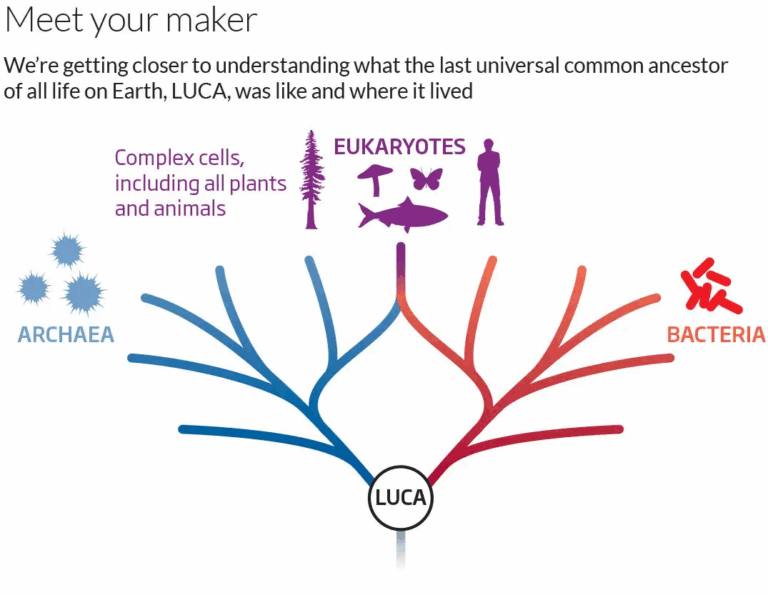
    The theory that all living organisms share a common origin is supported by multiple lines of evidence, including biochemical similarities, fossil records, and genetic data. The Last Universal Common Ancestor (LUCA) is thought to have existed about 4 billion years ago, giving rise to the three major domains of life — Bacteria, Archaea, and Eukarya. Fossils, molecular clocks, and the discovery of ancient microbial structures in hydrothermal vents provide strong evidence for the evolutionary timeline. By comparing DNA sequences, amino acid structures, and metabolic pathways, scientists can reconstruct the evolutionary tree of life and trace the shared heritage of all organisms.

    • All organisms share the same DNA bases (A, T/U, G, C) and a universal genetic code.
    • The same set of amino acids is used to build proteins in all known life forms.
    • Many genes are shared between Archaea and Bacteria, indicating inheritance from LUCA.
    • Structural similarities, such as the vertebrate forelimb bone pattern, show morphological evidence of common descent.
    • LUCA likely existed around 4 billion years ago and occupied the base of the phylogenetic tree of life.
    • Other life forms existing alongside LUCA may have gone extinct due to competition.

    🧠 Examiner Tip: Use both molecular and morphological evidence when explaining common ancestry — this strengthens your argument in long-answer questions.

    • Fossil evidence provides chronological snapshots of past life forms.
    • Carbon-14 dating works for relatively recent samples (up to ~60,000 years old).
    • Radiometric dating (e.g., uranium-lead dating) measures isotopic decay in older rocks.
    • Genome analysis allows estimation of divergence times based on mutation rates.
    • The molecular clock assumes mutations occur at a relatively constant rate.
    • These methods together allow scientists to approximate when major evolutionary events occurred.

    🧬 IA Tips & Guidance: For an IA, consider using simulated mutation rate data to model how molecular clocks estimate divergence times between species.

    • Suggests that LUCA evolved near deep-sea hydrothermal vents.
    • Vents provide chemical energy for chemosynthesis, supporting life without sunlight.
    • Fossilised haematite tubes in Canada (3.77–4 billion years old) resemble modern vent microbes.
    • LUCA may have been an autotrophic extremophile, using CO₂ and H₂ for energy.
    • Likely survived high temperatures and lacked oxygen-based metabolism (anaerobic).
    • Genetic analysis of modern vent organisms supports a common ancestry with LUCA.

    🌐 EE Focus: An EE could explore the biochemical similarities between modern vent extremophiles and the inferred properties of LUCA.

    • Anaerobic metabolism, using hydrogen as an energy source.
    • Ability to convert CO₂ into glucose (autotrophy).
    • Nitrogen fixation into ammonia for amino acid synthesis.
    • Tolerance for high temperatures (thermophilic).
    • Reliance on iron and other minerals abundant in hydrothermal vent environments.
    • Basic biochemical pathways similar to those in modern microbes.

    ❤️ CAS Link: A CAS project could involve developing an interactive timeline of life on Earth, integrating fossil, genetic, and geological evidence.

    🌍 Real-World Connection:
    Understanding LUCA’s traits helps astrobiologists identify possible biosignatures when searching for extraterrestrial life, particularly in extreme environments such as hydrothermal vents on icy moons like Europa.

    • Ancient cells did not fossilise, so direct evidence is rare.
    • Geological activity has destroyed much of Earth’s earliest rock record.
    • Dating methods have margins of error, especially for the oldest samples.
    • Molecular clocks require accurate mutation rate assumptions, which may vary between species.
    • Fossil and molecular evidence must be interpreted together for reliability.
    • Multiple competing hypotheses for life’s origin remain under investigation.

    🔍 TOK Perspective: The search for LUCA illustrates the interdisciplinary nature of scientific knowledge — biology, geology, and chemistry must all contribute to construct plausible historical reconstructions, highlighting the role of collaboration in science.:

    📝 Paper 2: Expect questions asking you to explain molecular evidence for common ancestry, interpret a phylogenetic tree, or evaluate the hydrothermal vent hypothesis using fossil and genetic data.

  • TermDefinition
    ProtocellA primitive, membrane-bound droplet capable of basic metabolic processes but lacking fully evolved genetic systems.
    RNA World HypothesisTheory that early life used RNA as both genetic material and catalyst before DNA and proteins evolved.
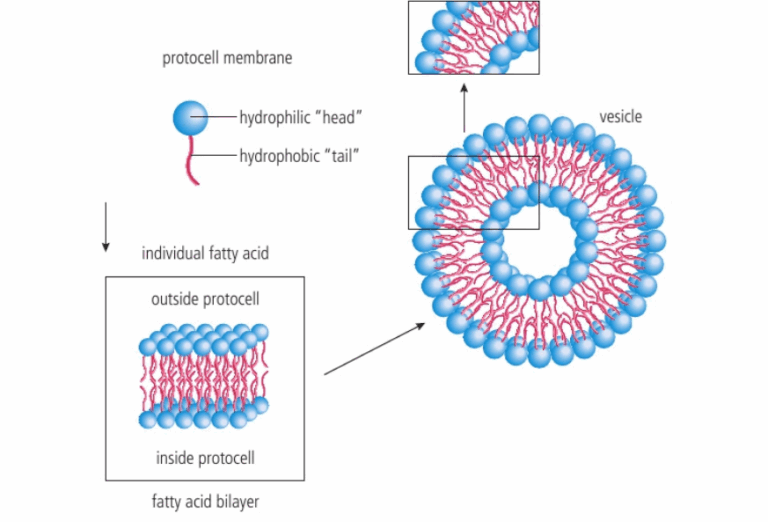
    VesicleSmall membrane-bound compartment formed spontaneously from amphipathic molecules.
    Amphipathic MoleculeA molecule with both hydrophilic and hydrophobic regions, enabling membrane formation.
    Metabolism-First TheoryHypothesis that self-sustaining chemical reaction networks arose before genetic material.
    Gene-First TheoryHypothesis that self-replicating nucleic acids appeared before metabolic systems and membranes.

    The origin of the first cells marks a pivotal transition from non-living chemistry to biological systems. Early Earth provided an environment where organic molecules could assemble into protocells—structures capable of growth, division, and primitive heredity. These protocells eventually evolved into true cells with DNA genomes, protein enzymes, and phospholipid membranes, setting the stage for all modern life.

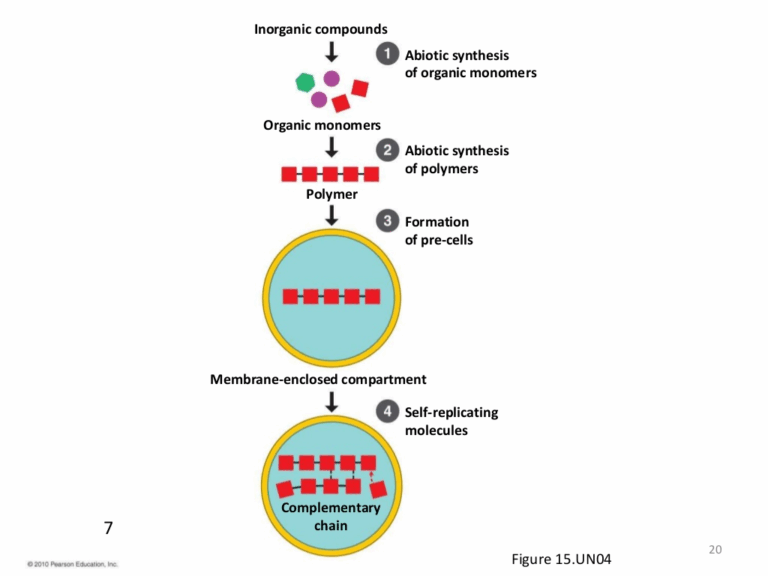
    • Abiotic synthesis of small organic molecules under early Earth conditions, facilitated by energy sources like UV light, lightning, and volcanic heat.
    • Polymerisation of monomers into macromolecules such as proteins and nucleic acids, often aided by mineral catalysts.
    • Emergence of self-replicating RNA molecules that could store information and catalyse reactions.
    • Spontaneous formation of fatty-acid membranes enclosing a microenvironment distinct from the surroundings.
    • Evolution of metabolic networks within protocells, allowing sustained energy use and molecular turnover.
    • Transition to DNA as the primary genetic material due to its stability and to proteins for catalysis due to their versatility.

    🧠 Examiner Tip:
    Be able to state the four key requirements for life’s origin: abiotic synthesis of organic molecules, polymerisation into macromolecules, self-replication, and membrane formation.

    • Protocell-first: Membrane-bound droplets capable of metabolism arose before genetic material; genetic systems evolved later.
    • Gene-first: Self-replicating RNA molecules emerged first, followed by membranes and metabolism.
    • Metabolism-first: Life began as self-sustaining chemical cycles that later incorporated genetic material.
    • All three require energy sources such as UV light, hydrothermal heat, or chemical gradients.
    • Each theory attempts to explain how self-replication, metabolism, and compartmentalisation originated.
    • None can yet be proven, but they can be partially tested with lab simulations.

    🧬 IA Tips & Guidance: If modelling protocell formation, focus on controlling pH, lipid composition, and salt concentration to replicate realistic prebiotic environments.

    • Fatty acids naturally form monolayers and bilayers in water due to their amphipathic nature.
    • Bilayers can spontaneously curve into vesicles, creating enclosed compartments.
    • Early vesicles likely trapped RNA, proteins, or metabolic molecules inside.
    • Over time, fatty acids may have been replaced by phospholipids for greater stability.
    • Compartmentalisation allowed different reactions to occur without interference.
    • This was a critical evolutionary step toward complex cells.

    🌐 EE Focus: A possible EE could compare stability and permeability of fatty acid vs phospholipid vesicles under simulated hydrothermal vent conditions.

    • RNA can both store genetic information and catalyse chemical reactions (ribozymes).
    • It can form spontaneously from nucleotides under certain conditions.
    • Ribozymes in modern cells support the idea that RNA had catalytic roles before proteins.
    • DNA likely replaced RNA as the main genetic material due to greater stability.
    • Proteins replaced RNA’s catalytic functions due to greater efficiency.
    • Evidence: ribose synthesis from methanal in prebiotic simulations; deoxyribose production from ribose in cells.

    ❤️ CAS Link: A CAS project could involve creating interactive models or animations of the RNA world hypothesis for a school science fair.

    🌍 Real-World Connection:
    Research into the origin of cells informs the study of potential life on exoplanets and icy moons such as Europa and Enceladus. Understanding protocell formation helps astrobiologists predict what life’s building blocks might look like in extraterrestrial environments.

    • Conditions on early Earth cannot be replicated exactly in the lab.
    • No direct fossil evidence of the first cells exists.
    • Scientists test individual processes (e.g., monomer synthesis, vesicle formation) rather than the entire origin event.
    • Results must be pieced together from chemistry, molecular biology, and geology.
    • Theories remain provisional but become stronger with interdisciplinary evidence.
    • Understanding cell origin helps frame research into life beyond Earth.

    🔍 TOK Perspective: This topic shows the difficulty of testing historical scientific theories — we rely on indirect evidence and models, so knowledge claims are often supported by multiple smaller experiments rather than a single definitive proof.

    📝 Paper 2: Be able to compare and contrast the protocell-first, gene-first, and metabolism-first theories. Include key experimental evidence like vesicle self-assembly and RNA catalytic activity, and discuss why testing origin-of-life hypotheses is challenging.

  • TermDefinition
    Primordial Soup HypothesisTheory by Oparin and Haldane suggesting that organic molecules formed in Earth’s early oceans from simple inorganic compounds.
    Greenhouse EffectWarming of a planet’s surface due to atmospheric gases trapping infrared radiation.
    UV RadiationHigh-energy electromagnetic radiation from the Sun, which can break chemical bonds and cause DNA damage.
    Organic MoleculeCarbon-based compound found in living organisms, including amino acids, sugars, nucleotides, and fatty acids.
    PolymerA large molecule composed of repeating subunits (monomers).
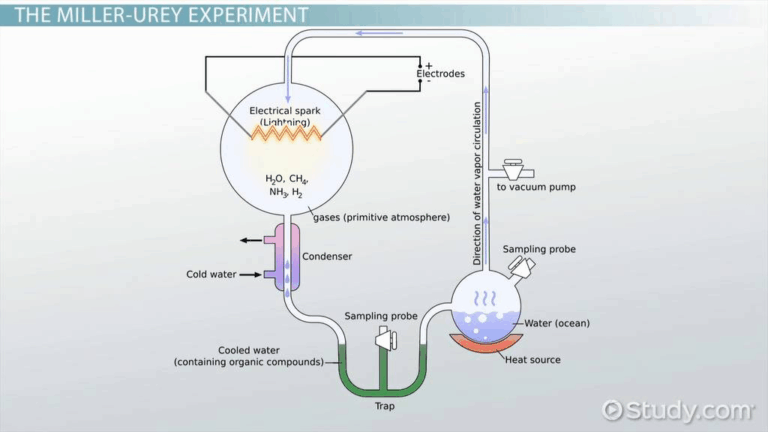
    Miller–Urey Experiment1953 laboratory experiment simulating early Earth’s conditions to test the formation of organic molecules from inorganic gases.

    The formation of carbon compounds on early Earth was a critical step in the origin of life. Conditions on the young planet were harsh, with a hot atmosphere rich in methane and carbon dioxide, no ozone layer to block harmful UV radiation, and frequent lightning storms. These extreme conditions may have driven chemical reactions that produced organic molecules — the building blocks of life — from simple inorganic compounds.

    • Higher atmospheric temperatures due to large amounts of CO₂ and CH₄ trapping heat via the greenhouse effect.
    • Absence of free oxygen prevented the formation of an ozone layer, allowing intense UV radiation to reach the surface.
    • UV light and heat could catalyse the formation of simple organic compounds such as amino acids, sugars, nucleotides, and fatty acids.
    • Energy sources included UV radiation, volcanic heat, and lightning discharges.
    • The ‘primordial soup’ hypothesis proposed that oceans were a warm, nutrient-rich mixture of organic molecules.
    • Over time, these molecules could polymerise into more complex structures like proteins and nucleic acids.

    🧠 Examiner Tip:
    You should be able to explain why early Earth’s lack of oxygen both hindered life (due to UV damage) and promoted organic synthesis (as oxygen would have oxidised organic molecules).

    • Recreated early Earth’s atmosphere with water vapour, methane, hydrogen, and ammonia.
    • Boiled water to simulate evaporation from early oceans.
    • Added electrical sparks to mimic lightning as an energy source.
    • Cooling system condensed the vapour, simulating rainfall.
    • After one week, the apparatus contained amino acids and other organic molecules.
    • Demonstrated that abiotic synthesis of life’s building blocks was possible under certain conditions.

    🧬 IA Tips & Guidance:
    Link this topic to practical work by designing a safe simulation of atmospheric chemistry, or by analysing chemical pathways for abiotic synthesis using molecular modelling software.

    🌐 EE Focus:

    🌍 Real-World Connection: Understanding the abiotic synthesis of organic molecules supports research into astrobiology and the search for life on other planets, such as Mars or moons like Europa and Enceladus, which may have similar prebiotic conditions.

    • Early atmosphere may have contained less methane than assumed.
    • Used electrical discharge rather than UV light, which may have played a larger role in reality.
    • Amino acids tend to remain as monomers in watery environments, challenging polymerisation under such conditions.
    • Failed to produce nucleotides, requiring alternative synthesis pathways.
    • More recent experiments show additional energy sources (e.g., hydrothermal vents) could be important.
    • Highlights the evolving nature of scientific understanding about early Earth.

    🔍 TOK Perspective:
    This experiment illustrates how scientific models are influenced by assumptions — changes in our understanding of early Earth’s atmosphere lead to new interpretations of Miller–Urey’s results. It also raises epistemological questions about reconstructing events from billions of years ago with limited evidence.

    📝 Paper 2: Be prepared to describe the Miller–Urey experiment, evaluate its limitations, and link early Earth conditions to the possible chemical origins of life.

  • TermDefinition
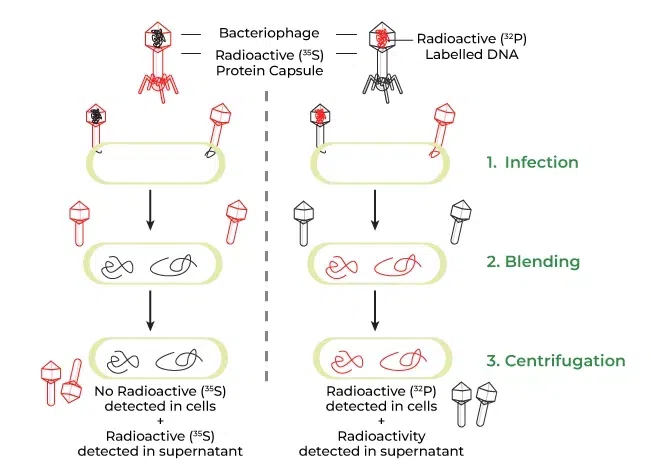
    Hershey–Chase Experiment1952 study proving that DNA, not protein, is the hereditary material by tracking radioactive isotopes in bacteriophages.
    Radioisotope LabellingTechnique using radioactive elements to trace molecules in biological systems.
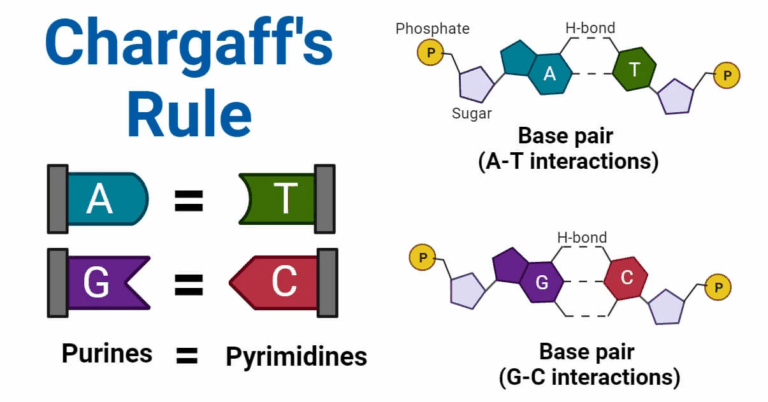
    Chargaff’s RulesObservations that in DNA, A = T and C = G, indicating base pairing regularity.
    Tetranucleotide HypothesisAn early, incorrect theory proposing DNA was composed of repeating units of four nucleotides.
    Double Helix Model3D structure of DNA proposed by Watson & Crick in 1953, showing antiparallel strands and complementary base pairing.
    Complementary Base PairingSpecific pairing of A–T and C–G in DNA through hydrogen bonds.

    The journey to understanding the structure and function of nucleic acids was shaped by decades of experimentation and technological progress. From disproving early misconceptions like the tetranucleotide hypothesis to proving DNA’s role in heredity, historical breakthroughs have laid the foundation for modern molecular biology. Key contributions from Hershey & Chase, Chargaff, and Watson & Crick revolutionised our understanding of genetic material.

    • Used bacteriophages (viruses infecting bacteria) containing DNA and a protein coat to determine the molecule of heredity.
    • DNA was labelled with radioactive phosphorus (^32P), while protein was labelled with radioactive sulfur (^35S).
    • After infecting E. coli, the viral coats were removed using a blender, and bacteria were separated from viral debris via centrifugation.
    • Only the bacteria infected with ^32P-labelled viruses became radioactive, indicating DNA entered the host cells.
    • Demonstrated unequivocally that DNA, not protein, is the genetic material.
    • Showed the importance of radioisotopes as research tools in molecular biology.

    🧠 Examiner Tip:
    Be able to explain the experimental setup and outcome of the Hershey–Chase experiment, and wh

    • Erwin Chargaff analysed DNA composition in multiple species and found that A = T and C = G in molar ratios.
    • This indicated purine–pyrimidine pairing, providing key evidence for base complementarity.
    • Falsified the tetranucleotide hypothesis proposed by Phoebus Levene, which suggested DNA was repetitive and lacked variation.
    • Demonstrated species-specific variation in base composition, showing that DNA could store complex genetic information.
    • Provided essential input for Watson and Crick’s double helix model.
    • Illustrated the role of falsification in scientific progress (Karl Popper’s philosophy).

    🧬 IA Tips & Guidance:
    This topic links well to modelling investigations — you could use software or kits to recreate the Hershey–Chase experiment or compare base compositions across species using genome database

    • Proposed DNA’s 3D structure as a right-handed double helix with two antiparallel strands.
    • Built on Rosalind Franklin’s X-ray crystallography images, which revealed DNA’s helical nature and uniform width.
    • Explained how complementary base pairing allows accurate replication of genetic material.
    • Showed that A–T pairs form two hydrogen bonds, while C–G pairs form three, maintaining consistent helix width.
    • Directionality (5′ to 3′ and 3′ to 5′ strands) is crucial for replication and transcription processes.
    • Revolutionised molecular biology, influencing genetics, medicine, and biotechnology.

    🌐 EE Focus:
    An Extended Essay could investigate how technological advancements (e.g., X-ray crystallography, radioisotope tracing) enabled breakthroughs in nucleic acid research, linking NOS (Nature of Science) concepts with experimental evidence.

    • X-ray diffraction imaging (Franklin & Wilkins) revealed DNA’s repeating helical structure.
    • Availability of radioisotopes post–World War II enabled molecular tracing in experiments like Hershey–Chase.
    • Improved biochemical analysis allowed accurate measurement of nucleotide ratios.
    • Model-building techniques (Watson & Crick) helped visualise molecular interactions.
    • Bioinformatics tools now enable DNA structure analysis at atomic resolution.
    • Advances in microscopy and molecular modelling have extended these foundational findings into applied science.

    ❤️ CAS Link:
    Create a museum-style exhibit or interactive timeline showcasing major milestones in DNA discovery, including models, photos, and simplified explanations for public education.

    • Confirmed DNA as the universal genetic material, transforming genetics from a descriptive to a molecular science.
    • Led to the development of recombinant DNA technology, PCR, genome sequencing, and synthetic biology.
    • Enabled gene cloning, forensic DNA analysis, and targeted therapies.
    • Provided evidence supporting the theory of evolution through shared genetic mechanisms.
    • Inspired the Human Genome Project and personalised medicine.
    • Continues to inform research into epigenetics and gene regulation.

    🔍 TOK Perspective:
    The history of DNA discovery illustrates the collaborative, sometimes competitive, nature of science. It also highlights the importance of falsifiability, technologi

    📝 Paper 2: Expect questions that require you to describe the Hershey–Chase experiment, explain Chargaff’s rules, or apply knowledge of historical discoveries to modern genetic techniques.

  • TermDefinition
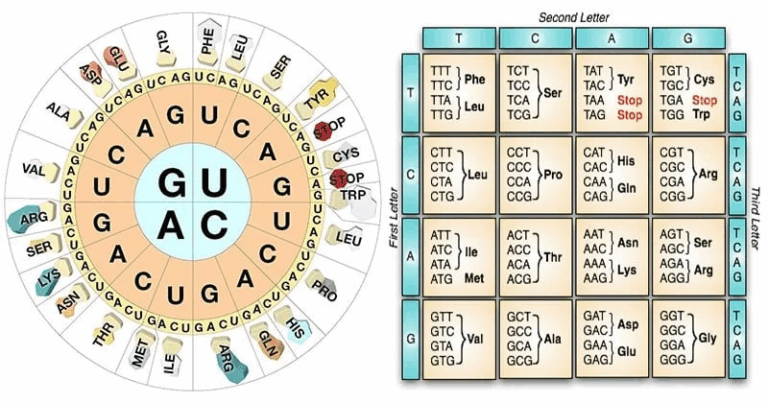
    Genetic CodeThe set of rules by which the sequence of nucleotide bases in DNA or mRNA is translated into amino acid sequences in proteins.
    CodonA triplet of nucleotide bases in mRNA that codes for a specific amino acid or a stop signal during translation.
    Coding StrandThe DNA strand whose base sequence matches the mRNA (except T is replaced by U).
    AnticodonA triplet of bases on tRNA complementary to a codon in mRNA.
    Universal CodeThe principle that the same codons specify the same amino acids in almost all organisms.
    Conserved SequenceDNA or protein sequences that have remained largely unchanged during evolution due to their critical biological functions.

    The genetic code is the molecular language that translates DNA sequences into functional proteins. Encoded as triplets of nitrogenous bases, it ensures that genetic information is expressed with precision, allowing the synthesis of specific amino acid chains. This universal system applies to nearly all known life forms, enabling genetic information to be read, interpreted, and transferred across species.

    • DNA contains sequences of four bases (A, T, C, G) that encode genetic information.
    • One strand of the DNA double helix (the coding strand) holds the sequence used during transcription.
    • Each codon consists of three bases, which collectively specify one amino acid or a stop signal.
    • With 64 possible codons and 20 amino acids, the genetic code is redundant (multiple codons can specify the same amino acid).
    • The base sequence in genes determines the primary structure of proteins, which in turn defines their 3D structure and function.
    • Translation of the code is directional, proceeding from the 5′ to 3′ end of mRNA.

    🧠 Examiner Tip:
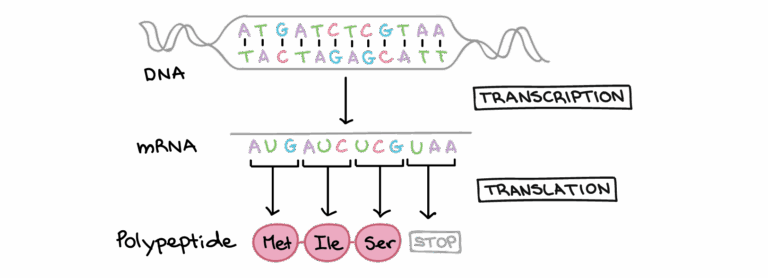
    Be able to identify the coding and template strands of DNA in a diagram, transcribe DNA into mRNA, and then translate mRNA codons into amino acids using a codon table.

    • The genetic code is nearly universal across all organisms, from bacteria to humans, with only minor exceptions in some mitochondrial DNA and rare species.
    • The same codon specifies the same amino acid in almost all living systems.
    • This universality allows genes from one species to be expressed in another, forming the basis for genetic engineering and recombinant DNA technology.
    • Evidence of a shared common ancestor is supported by the conservation of coding sequences across diverse taxa.
    • Many coding sequences have remained unchanged for millions of years, especially those involved in core processes like transcription and translation.
    • Highly conserved sequences include histone proteins and rRNA genes, indicating their fundamental biological roles.

    🧬 IA Tips & Guidance:
    You could design an investigation into base composition and codon usage in different organisms using online genetic databases, linking it to bioinformatics and evolutionary biology.

    • Mutations are changes in the base sequence of DNA that can alter codons, potentially changing amino acids in proteins.
    • Some mutations are silent (no change in amino acid), while others may alter protein structure or function.
    • Beneficial mutations can drive adaptation, while harmful ones can cause genetic disorders.
    • Mutations in non-coding sequences may affect gene regulation rather than protein structure.
    • Mutations in highly conserved regions are more likely to be deleterious, as these regions are critical to survival.
    • Mutagenic factors include radiation, chemical exposure, and errors during DNA replication.

    🌐 EE Focus:
    A student could explore the effect of codon bias on gene expression efficiency in different organisms, connecting molecular biology to biotechnology applications.

    • Transcription copies the coding sequence of DNA into mRNA using complementary base pairing.
    • mRNA leaves the nucleus and binds to ribosomes in the cytoplasm.
    • tRNA molecules with complementary anticodons deliver amino acids to the ribosome.
    • Ribosomes catalyse peptide bond formation between amino acids, producing a polypeptide chain.
    • The sequence of amino acids determines the protein’s folding and function.
    • Errors in transcription or translation can lead to dysfunctional proteins, affecting the organism’s phenotype.

    ❤️ CAS Link:
    Developing an educational workshop to teach younger students how DNA sequences translate into proteins using 3D models or interactive software.

    • Understanding the genetic code allows scientists to modify organisms through genetic engineering.
    • It is essential for producing recombinant proteins like insulin, growth hormones, and vaccines.
    • Codon optimization is used in synthetic biology to enhance gene expression in host organisms.
    • CRISPR-Cas9 genome editing relies on precise targeting of DNA sequences.
    • DNA barcoding uses conserved gene sequences to identify species.
    • Gene therapy depends on accurate delivery and expression of functional genes.

    🌍 Real-World Connection:
    The universality of the genetic code underpins advances in medicine, agriculture, and forensic science, from producing transgenic crops to developing personalised cancer treatments.

    🔍 TOK Perspective:
    The universality of the genetic code challenges traditional definitions of species boundaries and prompts ethical debates on genetic modification. It also illustrates how shared biological systems provide strong evidence for evolutionary theory.

    📝 Paper 2: Be prepared to answer questions requiring codon table interpretation, prediction of amino acid sequences, and explanation of why the genetic code is universal yet redundant.

  • TermDefinition
    Nucleic AcidLarge biomolecules (DNA & RNA) composed of nucleotide monomers that store and transmit genetic information.
    NucleotideBasic unit of nucleic acids consisting of a pentose sugar, a phosphate group, and a nitrogenous base.
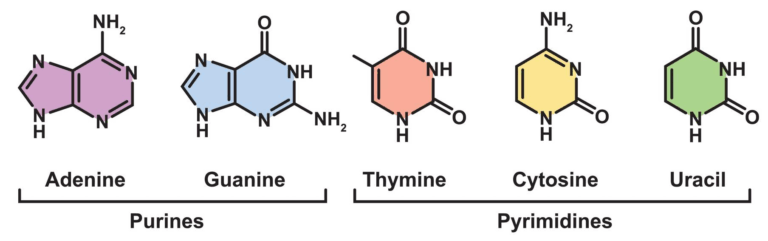
    Nitrogenous BaseOrganic molecule with nitrogen atoms that forms base pairs in nucleic acids (purines & pyrimidines).
    PurinesDouble-ring nitrogenous bases (Adenine & Guanine).
    PyrimidinesSingle-ring nitrogenous bases (Cytosine, Thymine in DNA, Uracil in RNA).
    Sugar-Phosphate BackboneRepeating structure of alternating sugar and phosphate groups linked by covalent bonds in nucleic acids.

    Nucleic acids, DNA and RNA, are the fundamental molecules that store, transmit, and express genetic information in living organisms. They are polymers of nucleotides, joined via covalent phosphodiester bonds to form long chains. DNA is the primary genetic material in most organisms, whereas RNA plays a central role in protein synthesis and, in some viruses, acts as the genetic material itself. The structure of these molecules is key to their ability to store vast amounts of information, maintain stability, and allow for precise replication.

    • DNA contains the genetic blueprint for all cellular activities, stored as sequences of nitrogenous bases arranged along two antiparallel strands in a double helix.
    • Found mainly in the nucleus of eukaryotic cells, DNA is also present in mitochondria and chloroplasts, and in the cytoplasm of prokaryotes.
    • RNA exists in several forms — mRNA, tRNA, and rRNA — each with specific roles in transcription and translation.
    • Certain viruses, such as SARS-CoV-2 and influenza, use RNA as their genetic material, providing exceptions to DNA-based heredity.
    • Viruses lack cellular structures and cannot self-replicate, depending on host cells to reproduce.
    • The universality of DNA as genetic material across life forms suggests a common evolutionary origin.

    🧠 Examiner Tip:
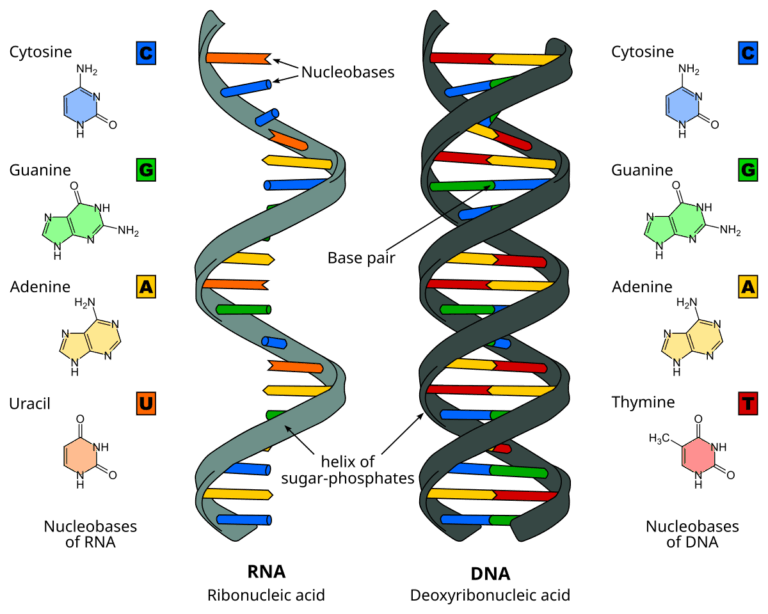
    Know how to differentiate DNA and RNA by sugar type, nitrogenous base composition, and strand structure. You should also be able to identify and label DNA diagrams, including sugar-phosphate backbones, complementary base pairs, and hydrogen bonds.

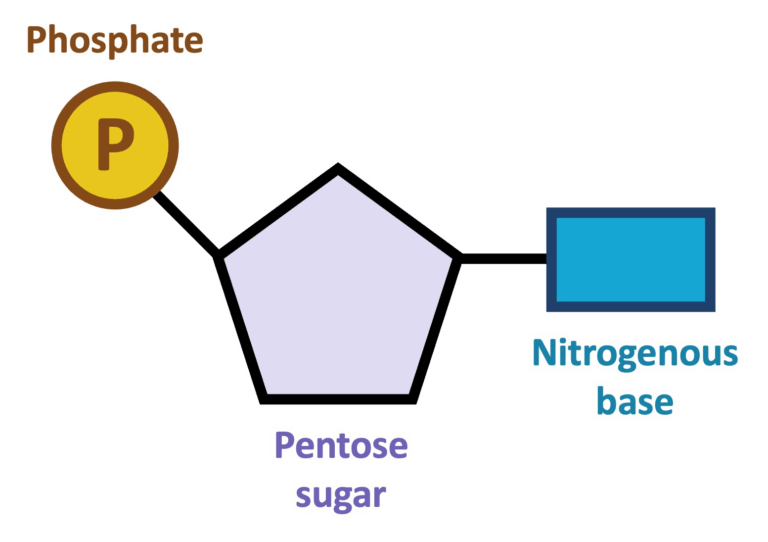
    • Both DNA and RNA are polymers made of nucleotides, each consisting of a pentose sugar, a phosphate group, and a nitrogenous base.
    • The nitrogenous bases are grouped into purines (A, G) and pyrimidines (C, T in DNA, U in RNA).
    • The phosphate group is acidic and negatively charged, covalently bonded to the sugar.
    • In DNA, the sugar is deoxyribose; in RNA, it is ribose, differing by one oxygen atom at the 2′ carbon.
    • Bases attach to the sugar at the 1′ carbon; phosphate groups attach at the 5′ carbon.
    • Diagrams in IB exams can use simple shapes (pentagon for sugar, circle for phosphate, rectangle for base).

    🧬 IA Tips & Guidance:
    You can link this topic to experimental skills by modelling nucleotides using physical or digital tools, investigating DNA extraction methods, or measuring DNA concentrations in biological samples.

    • Nucleotides join via condensation reactions, forming phosphodiester bonds between the phosphate of one nucleotide and the 3′ OH group of another.
    • This forms the sugar-phosphate backbone, with nitrogenous bases projecting inward.
    • DNA is double-stranded; RNA is usually single-stranded.
    • Base sequences vary infinitely, enabling the storage of diverse genetic information.
    • The 5′ end of a strand contains a phosphate group; the 3′ end has a free OH group.
    • The order of bases on one strand determines the complementary strand sequence.

    🌐 EE Focus:
    Students could investigate nucleotide composition in different species or use bioinformatics tools to compare conserved genetic sequences across organisms to study evolutionary relationships.

    • RNA molecules are shorter than DNA, typically ranging from hundreds to a few thousand nucleotides.
    • They are usually single-stranded and contain ribose instead of deoxyribose.
    • RNA nucleotides use uracil (U) instead of thymine (T).
    • Three main types: mRNA (carries genetic information from DNA), tRNA (transfers amino acids during protein synthesis), and rRNA (forms part of ribosomes).
    • Phosphodiester bonds link nucleotides in RNA through condensation reactions.
    • Orientation is important: RNA is synthesized in the 5′ to 3′ direction.

    ❤️ CAS Link:
    A CAS project could involve creating interactive models or educational resources to teach younger students about DNA and RNA structure.

    • DNA consists of two antiparallel strands in a right-handed double helix.
    • Each strand is made of a sugar-phosphate backbone with bases pointing inward.
    • Complementary base pairing rules: A–T (two hydrogen bonds), C–G (three hydrogen bonds).
    • The antiparallel arrangement ensures proper base pairing and replication fidelity.
    • DNA’s double-helix model was elucidated by Watson and Crick in 1953.
    • Stability is enhanced by hydrogen bonding and base stacking interactions

    🔍 TOK Perspective:
    The discovery of DNA’s structure reflects the collaborative and iterative nature of scientific progress, where models are refined based on experimental evidence and technological advances (e.g., X-ray crystallography).

    📝 Paper 2:
    Be prepared to draw and annotate DNA and RNA diagrams, explain differences in their structure, and apply complementary base pairing rules to solve genetic code problems.

  • TermDefinition
    Asteroid HypothesisTheory that water was delivered to Earth via ice-rich asteroids and meteorites.
    Carbonaceous ChondritesPrimitive meteorites containing water and organic compounds; isotopes match seawater.
    Eucrite AchondritesAncient meteorites with hydrogen isotope ratios similar to those on Earth.
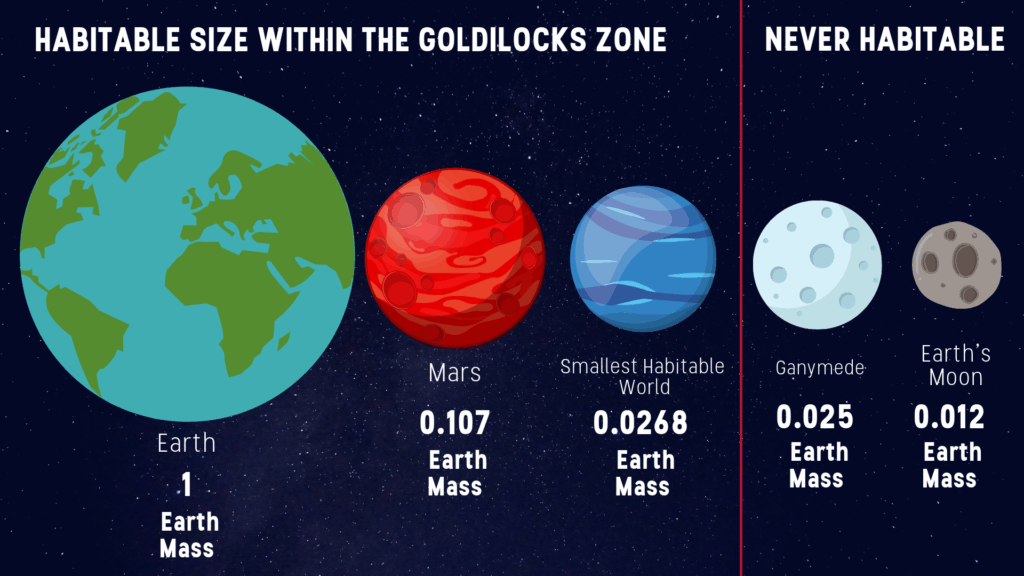
    Goldilocks ZoneRegion around a star where conditions allow liquid water to exist.
    ExoplanetA planet outside our solar system, studied for potential habitability.
    Transit SpectroscopyMethod of analyzing starlight passing through a planet’s atmosphere to detect water and gases.

    Earth formed around 4.5 billion years ago under conditions too hot for water to condense into liquid. Today, water covers about 71% of Earth’s surface, but its presence is thought to be partly extraterrestrial in origin. The most widely accepted hypothesis is that asteroids and meteorites containing ice delivered water to Earth. Once captured by Earth’s gravity, this water condensed as the planet cooled, forming oceans that provided the medium for life’s emergence. This extraterrestrial link continues to guide the search for water — and life — on other planets.

    • Early Earth was too hot for water vapor to condense, so water likely came from external sources.
    • Asteroids and meteorites carried ice and organic molecules to Earth during heavy bombardment.
    • Carbonaceous chondrites contain hydrogen isotopes closely matching those found in seawater.
    • Eucrite achondrites also show isotope ratios similar to Earth’s, reinforcing the asteroid hypothesis.
    • Upon impact, these bodies released water vapor, which Earth’s gravity trapped in the atmosphere.
    • As temperatures cooled, vapor condensed into liquid water, forming oceans.
    • This hypothesis is supported by isotopic analysis but is still debated among scientists.

    🧠 Examiner Tip: In IB exams, you only need to know the asteroid hypothesis for water’s origin, not alternative theories.

    • Comets, rich in ice, could have delivered water through high-energy impacts.
    • Asteroids, particularly carbonaceous chondrites, are rich in hydrated minerals and match Earth’s D/H ratio more closely.
    • Isotopic analysis of water from meteorites supports an asteroidal rather than purely cometary origin.
    • Late Heavy Bombardment may have played a key role in delivering additional water and organics essential for life.
    • Delivery of extraterrestrial water also introduced organic molecules, supporting prebiotic chemistry.

    🧬 IA Tips & Guidance: When designing experiments related to isotopic ratios or mineral hydration, lin

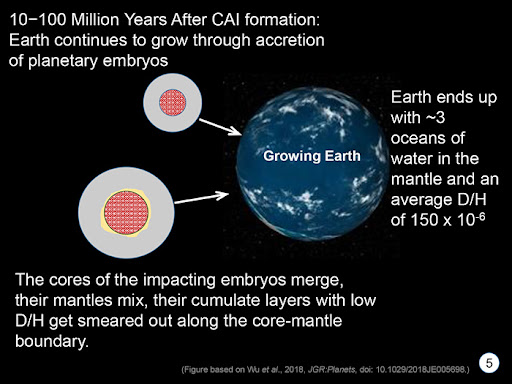
    • The deuterium/hydrogen (D/H) ratio is a “fingerprint” for water’s source.
    • Earth’s ocean D/H ratio closely matches that of carbonaceous asteroids but differs from many comets.
    • Some recent comet measurements, however, show closer matches, suggesting a mixed source.
    • Isotopic evidence also supports early water formation before the Moon-forming impact.
    • Ongoing space missions (e.g., Rosetta, OSIRIS-REx) aim to refine the understanding of water’s source.

    🌐 EE Focus: An EE could investigate how isotopic ratios from different celestial bodies are measured and interpreted to determine the origin of Earth’s water.

    • Water likely existed on Earth by ~4.4 billion years ago, as shown by ancient zircon crystals.
    • Early oceans provided a stable environment for chemical evolution and the origin of life.
    • Presence of water influenced atmospheric development, plate tectonics, and climate stability.
    • Understanding Earth’s water origin informs the search for habitable exoplanets.

    ❤️ CAS Link: Partner with an astronomy club to create a planet habitability simulation, showing how water origin affects a planet’s life-supporting capacity.

    🔍 TOK Perspective: How do scientists decide between competing theories about water’s origin? Does reliance on indirect isotopic evidence introduce bias into our conclusions?

    📝 Paper 2: Data Response Tips: If given isotopic ratio data, identify which celestial source (comet or asteroid) it matches. Always link back to D/H ratio comparisons for maximum marks.

  • TermDefinition
    Specific Heat CapacityThe amount of energy required to raise the temperature of 1 kg of a substance by 1°C.
    Latent Heat of VaporizationEnergy required to convert 1 g of liquid into vapor without a temperature change.
    CohesionHydrogen bonding between water molecules, allowing them to stick together.
    AdhesionAttraction between water and other polar molecules or surfaces.
    Density AnomalyIce is less dense than liquid water due to hydrogen bonding, so it floats.
    ViscosityA fluid’s resistance to flow; water has low viscosity compared to other liquids.

    Water’s physical and chemical properties are unique compared to other molecules of similar size, and these are crucial for sustaining life on Earth. These properties are direct consequences of hydrogen bonding and polarity, which give water an unusually high boiling point, high specific heat capacity, high latent heat of vaporization, and the ability of ice to float. In biology, these features stabilize aquatic ecosystems, regulate body temperatures, enable plant transport, and support global climate balance.

    • Cohesion occurs when water molecules hydrogen bond with each other, creating a strong internal attraction.
    • This allows the formation of continuous water columns in xylem, essential for transpiration pull.
    • Adhesion occurs when water bonds to other polar molecules, such as cellulose in plant walls.
    • Adhesion supports capillary action, enabling water to climb against gravity in narrow spaces.
    • Cohesion produces surface tension, which allows organisms like pond skaters to move across water surfaces.
    • Together, cohesion and adhesion maintain water flow in plants and soils, crucial for terrestrial ecosystems.

    🧠 Examiner Tip: Clearly distinguish cohesion (water–water) and adhesion (water–other). This difference is often tested directly in Paper 2.

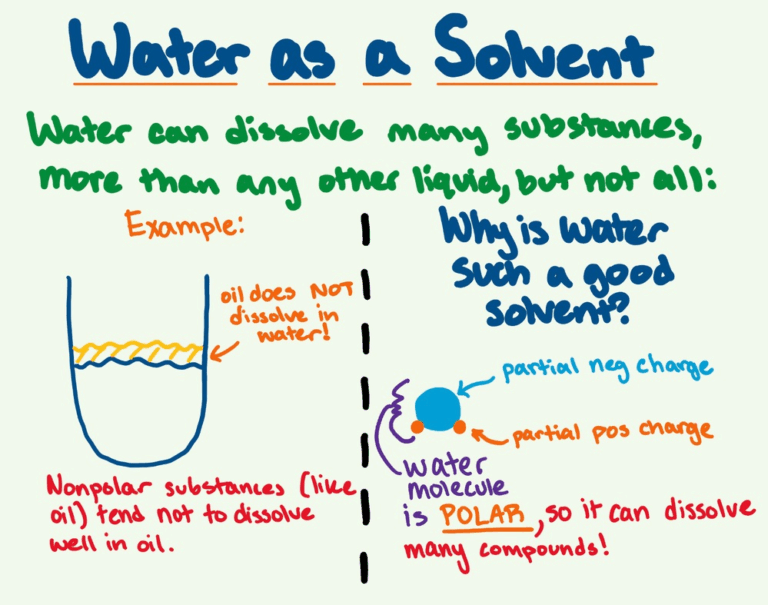
    • Water’s polarity allows it to dissolve ionic compounds (NaCl → Na⁺ and Cl⁻) and polar molecules like glucose.
    • This ability underpins transport of nutrients and wastes in cytoplasm, blood plasma, and plant sap.
    • Hydrophobic molecules like lipids do not dissolve; instead, they cluster together (hydrophobic effect).
    • The hydrophobic effect drives membrane formation and protein folding.
    • Amphipathic molecules (e.g., phospholipids) arrange into bilayers spontaneously, forming the basis of cell membranes.
    • Oxygen has low solubility in water, particularly at body temperature; hemoglobin overcomes this limitation in animals.
    • Without solvent properties, water could not function as the medium of metabolism or transport.

    🧬 IA Tips & Guidance: In osmosis, transpiration, or enzyme activity experiments, highlight how water’s solvent capacity and polarity explain the observed results. Always link back to hydrogen bonding as the cause of solubility differences.

    • Water has a high specific heat capacity (4.2 J/g°C) due to the energy required to break hydrogen bonds.
    • This buffers organisms against rapid temperature fluctuations.
    • Aquatic ecosystems remain stable despite external temperature changes.
    • Water also has a high latent heat of vaporization, making evaporation a powerful cooling mechanism.
    • Sweating in humans and transpiration in plants remove large amounts of heat.
    • Thermal stability in organisms is vital for maintaining enzyme activity at optimal temperatures.
    • Oceans and lakes act as global heat sinks, moderating climate by absorbing excess energy.

    🌐 EE Focus: Extended essays could investigate how heat capacity stabilizes aquatic ecosystems or how solubility and thermal properties of water affect enzyme activity.

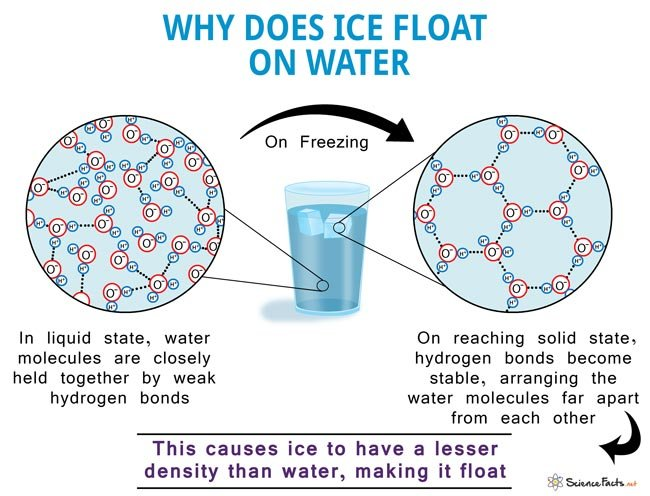
    • In liquid water, hydrogen bonds constantly break and reform, keeping molecules close together.
    • As water freezes, molecules form a rigid hydrogen-bonded lattice, increasing the spacing between them.
    • Ice becomes less dense than liquid water, causing it to float.
    • Floating ice insulates underlying water, protecting aquatic organisms during winter.
    • Ice provides seasonal habitats for organisms like seals and polar bears.
    • Without this property, lakes and oceans could freeze solid, destroying ecosystems.

    ❤️ CAS Link: A CAS project could involve educating communities about water conservation or climate action, demonstrating how ice floating and heat buffering are critical for ecosystems and biodiversity.

    • Water has higher thermal conductivity than air, helping organisms dissipate or retain heat.
    • Aquatic animals use water’s buoyancy to grow larger without skeletal collapse.
    • Blubber in seals and insulating feathers in diving birds adapt to water’s buoyant and thermal properties.
    • Low viscosity allows efficient movement for aquatic animals like fish and diving birds.
    • These physical traits explain the success of life in aquatic environments.

    🌍 Real-World Connection: Water’s unique properties regulate climate, sustain ecosystems under ice, and enable agriculture through transpiration. Human survival, biodiversity, and weather patterns all rely on them.

    🔍 TOK Perspective: The study of water’s properties demonstrates how unseen molecular interactions (hydrogen bonding) explain large-scale phenomena like climate regulation and plant transport. A TOK reflection could ask: How far can models of invisible forces, such as hydrogen bonding, be trusted to explain observable biological processes?

    📝 Paper 2: In Paper 2, expect questions on why water has a high specific heat capacity, why ice floats, or how cohesion supports xylem transport. You may also be asked to explain solvent properties in metabolism or analyze data on cooling by evaporation. To secure marks, always link your explanation to hydrogen bonding and use precise terms like dipole, latent heat, and specific heat capacity.