Author: Admin

  • TermDefinition
    HypoxiaA condition where tissues receive insufficient oxygen.
    MyoglobinAn oxygen-binding protein in muscles that stores oxygen for use during low supply.
    Haemoglobin affinityThe tendency of haemoglobin to bind oxygen, which can shift depending on species or environment.
    Anaerobic respirationEnergy production in the absence of oxygen, less efficient but essential during oxygen scarcity.
    High-altitude adaptationPhysiological and genetic traits that enhance oxygen uptake and transport in low-oxygen environments.
    SymbiosisA biological relationship, often mutualistic, that can help organisms survive in specialised habitats.

    Oxygen is vital for aerobic metabolism, but many environments present limited availability โ€” high altitudes, deep oceans, stagnant waters, or subterranean burrows. Organisms in such conditions have evolved strategies to increase oxygen uptake, store oxygen for later use, or survive with minimal oxygen. These include respiratory protein modifications, circulatory adjustments, metabolic suppression, and behavioural strategies. Adaptations allow species to colonise niches inaccessible to competitors, contributing to ecological diversity.

    • Animals at altitude face reduced partial pressure of oxygen, lowering diffusion into blood.
    • Adaptations include:
      • Increased haemoglobin affinity for oxygen (e.g., llamas, yaks).
      • Higher lung surface area and ventilation rates.
      • Enlarged chest cavities and higher red blood cell counts.
    • Humans acclimatise temporarily by increasing erythropoietin (EPO) production, boosting red blood cell numbers.
    • Indigenous populations (e.g., Tibetans, Andeans) show genetic adaptations such as altered haemoglobin genes or improved oxygen utilisation in tissues.

    ๐Ÿง  Examiner Tip: For altitude questions, donโ€™t only mention โ€œmore red blood cells.โ€ Add details like haemoglobin affinity or lung capacity for higher marks.

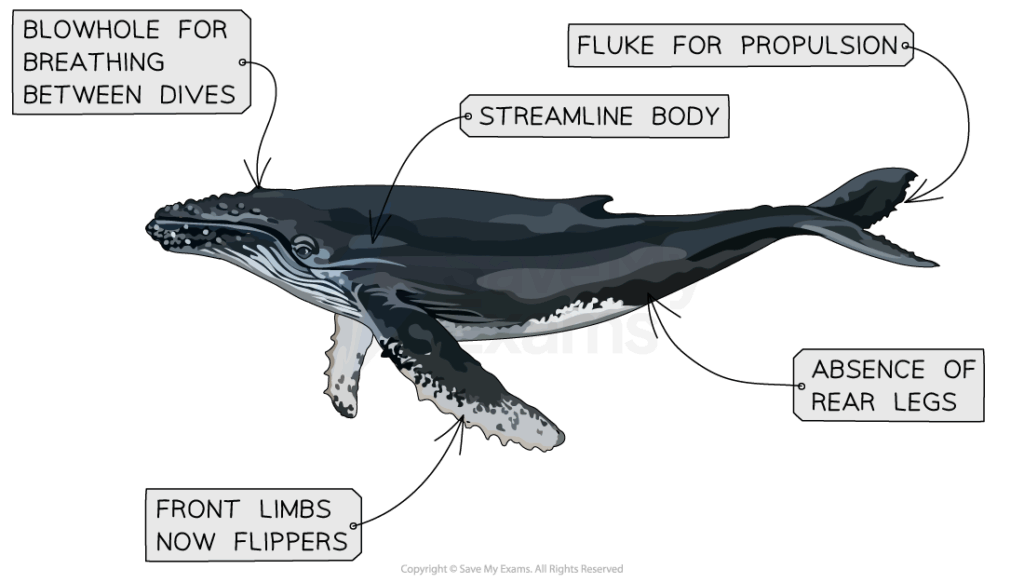
    • Marine mammals (whales, seals) tolerate long dives by:
      • Storing oxygen in large blood volumes and myoglobin-rich muscles.
      • Slowing heart rate (bradycardia) to conserve oxygen.
      • Redirecting blood flow to vital organs.
    • Anaerobic respiration is used in extended dives, with lactic acid buildup managed upon resurfacing.
    • Collapsible lungs prevent nitrogen narcosis and decompression sickness.
    • Some species dive for hours (sperm whales) due to extreme myoglobin concentrations.

    ๐Ÿงฌ IA Tips & Guidance: Students could simulate oxygen dissociation curves for high-affinity hemoglobin’s vs normal, or investigate effects of exercise on oxygen saturation using digital sensors.

    • Animals in subterranean habitats (e.g., moles, naked mole rats) encounter hypoxic and hypercapnic conditions.
    • Adaptations include:
      • Lower metabolic rates to conserve oxygen.
      • Higher tolerance to COโ‚‚ and acidic conditions.
      • Haemoglobin with increased oxygen affinity.
    • Naked mole rats survive prolonged oxygen deprivation by switching to fructose-based anaerobic pathways.
    • Burrow ventilation behaviours (e.g., communal digging) help refresh air supply.
    ๐ŸŒ EE Focus: An EE could compare high-altitude and subterranean adaptations, asking whether genetic changes (e.g., haemoglobin mutations) or behavioural strategies play a larger role in survival.

    • Fish in oxygen-poor waters (e.g., swamps, stagnant ponds) show adaptations such as:
      • Accessory respiratory organs (labyrinth organ in bettas).
      • Air-breathing behaviours (gulping air).
      • Thin gill lamellae for improved oxygen diffusion.
    • Amphibians (frogs) supplement lung breathing with cutaneous gas exchange.
    • Some fish and amphibians enter metabolic depression during hypoxia, reducing energy needs.
    • Turtles can overwinter under ice using anaerobic metabolism and buffering lactic acid with calcium carbonate in shells.

    โค๏ธ CAS Link: A CAS project could involve building educational displays on โ€œHow animals survive without oxygenโ€ for schools or museums, linking biology with environmental awareness.

    ๐ŸŒ Real-World Connection: Research into hypoxia tolerance has medical relevance โ€” insights from naked mole rats inform stroke research, and diving mammals inspire safer anaesthesia and decompression practices.

    • Hydrothermal vent organisms survive in oxygen-poor, sulphide-rich waters by symbiosis with chemosynthetic bacteria.
    • Some invertebrates use haemocyanin (copper-based pigment) instead of haemoglobin, adapted for low-oxygen binding.
    • Certain parasites survive in host intestines by tolerating anaerobic conditions.
    • Facultative anaerobes switch between aerobic and anaerobic respiration depending on oxygen availability.
    • Evolutionary innovations such as tracheal gills in aquatic insect larvae expand niches in hypoxic habitats.

    ๐Ÿ” TOK Perspective: Low-oxygen adaptations show how biology blurs reductionist and holistic views โ€” we model oxygen uptake with dissociation curves, yet survival depends on integrated systems (behaviour, anatomy, metabolism). TOK question: how far can simplified models capture the reality of extreme survival?ironment, hormones, and behaviour, or do they risk oversimplification?
    ๐Ÿ“ Paper 2: Expect questions on high-altitude physiology, diving mammal adaptations, or comparisons of aquatic vs terrestrial hypoxia strategies. Data-based questions may involve analysing oxygen dissociation curves, myoglobin concentrations, or metabolic rates under low oxygen. For full marks, answers should include specific examples (e.g., llamas, naked mole rats, whales) and link structural/physiological changes to survival.

  • TermDefinition
    OsmoregulationThe control of water and solute concentrations to maintain homeostasis.
    OsmoconformerAn organism (mostly marine invertebrates) whose internal osmotic concentration matches the external environment.
    OsmoregulatorAn organism that actively regulates internal osmotic concentration regardless of external conditions.
    ExcretionThe removal of nitrogenous waste products that also contributes to maintaining water and salt balance.
    Salt glandA specialised gland (in seabirds, reptiles, marine iguanas) that actively excretes excess salts.
    Antidiuretic hormone (ADH)A hormone that regulates kidney reabsorption of water, influencing urine concentration.

    Life depends on maintaining stable water and ion concentrations, yet organisms inhabit diverse environments ranging from freshwater rivers to hyper-saline seas and deserts. Maintaining balance is critical for enzyme activity, cell integrity, and nerve impulses. Strategies vary: osmoconformers tolerate external fluctuations, while osmoregulators expend energy to stabilise internal conditions. Adaptations include specialised excretory systems, salt glands, and behavioural responses to minimise water loss or salt gain.

    • Marine invertebrates (e.g., jellyfish, sea anemones) are osmoconformers; their body fluids approximate seawater composition, reducing energy expenditure.
    • Marine fish face constant osmotic water loss to seawater; adaptations include:
      • Drinking seawater and actively excreting excess salts via gills.
      • Producing small volumes of concentrated urine.
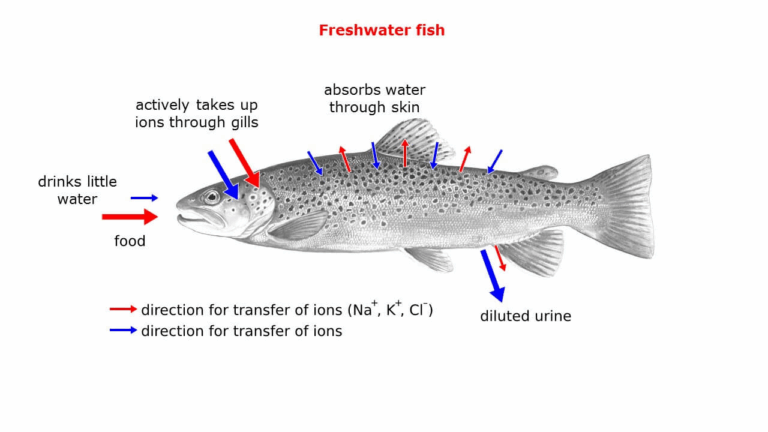
    • Freshwater fish face osmotic water gain; adaptations include:
      • Excreting large volumes of dilute urine.
      • Actively absorbing salts through gills to compensate for loss.
    • Amphibians rely on permeable skin but adopt behavioural adaptations (burrowing in mud, reducing exposure) to avoid desiccation.

    ๐Ÿง  Examiner Tip: Always highlight the contrast between freshwater and marine fish โ€” this comparison is a frequent exam point.

    • Desert animals minimise water loss by producing concentrated urine and dry faeces.
    • Kangaroo rats oxidise food molecules to produce metabolic water, reducing reliance on drinking.
    • Reptiles and birds excrete uric acid, conserving water compared to mammals that excrete urea.
    • Nocturnal behaviour reduces exposure to daytime heat and evaporation.
    • Structural features, like waxy cuticles in arthropods, reduce water loss across surfaces.

    ๐Ÿงฌ IA Tips & Guidance: Students could investigate urine concentration in mammals exposed to different fluid intakes (safe simulations), or model water loss using plant cuticles and desiccation chambers.

    • Marine reptiles (e.g., iguanas, sea turtles) and seabirds excrete excess salts through nasal or orbital salt glands.
    • These glands actively pump ions against steep gradients, conserving water by eliminating salts without large urine volumes.
    • Elasmobranchs (sharks, rays) retain urea in tissues to equalise osmotic pressure with seawater, reducing water loss.
    • Crocodiles and amphibians have specialised integumentary features that reduce evaporative water loss.

    ๐ŸŒ EE Focus: An EE could explore salt gland efficiency in seabirds, or compare nitrogenous waste excretion (urea, uric acid, ammonia) across species and link this to evolutionary adaptations to habitat.

    • Kidneys maintain water and salt balance by selectively reabsorbing or excreting solutes.
    • ADH increases water reabsorption in collecting ducts, producing concentrated urine during dehydration.
    • Aldosterone promotes sodium reabsorption, influencing osmotic gradients.
    • Long loops of Henle in desert mammals concentrate urine more efficiently than in temperate species.
    • Hormonal responses allow rapid adjustment to fluctuating water availability.

    โค๏ธ CAS Link: Students could lead workshops on hydration and salt balance in humans (e.g., during sports), linking physiology to lifestyle.

    ๐ŸŒ Real-World Connection: Understanding osmoregulation informs medicine (treatment of dehydration, kidney disease), agriculture (breeding drought-tolerant livestock), and conservation (managing animals in zoos or aquaculture).

    • Estuarine organisms (e.g., crabs, mussels) tolerate fluctuating salinity through flexible osmoregulation.
    • Migratory fish like salmon remodel kidney and gill function when moving between freshwater and seawater.
    • Desert amphibians enter aestivation, encasing themselves in mucous cocoons to conserve moisture.
    • Tardigrades survive complete desiccation by entering a cryptobiotic state.
    • Camels tolerate large fluctuations in body temperature and water content, reducing water needs.

    ๐Ÿ” TOK Perspective: Osmoregulation highlights the use of models (osmotic gradients, kidney diagrams) in teaching. TOK issue: do simplified models accurately represent the dynamic interplay of environment, hormones, and behaviour, or do they risk oversimplification?

    ๐Ÿ“ Paper 2: Expect questions comparing osmoregulation in marine vs freshwater fish, describing mammalian kidney adaptations, or analysing nitrogenous waste excretion in different taxa. Data-based questions may involve interpreting urine concentration graphs or hormonal response data. High-mark answers must link habitat to physiological adaptation.

  • TermDefinition
    ThermoregulationThe ability of an organism to maintain a stable internal body temperature within a tolerable range despite external fluctuations.
    EndothermAn organism (e.g., mammals, birds) that maintains body temperature mainly via internal metabolic heat.
    EctothermAn organism (e.g., reptiles, amphibians) whose body temperature depends largely on external heat sources.
    HomeostasisRegulation of internal conditions (temperature, water, pH) to maintain equilibrium within cells and organs.
    Behavioural adaptationAn action by an organism to regulate temperature (e.g., basking, burrowing, nocturnal activity).
    Physiological adaptationInternal processes (e.g., sweating, shivering, vasodilation) that maintain temperature balance.

    Temperature strongly influences metabolic processes by altering enzyme activity and membrane stability. Organisms therefore require adaptations to cope with extremes, whether conserving heat in polar regions or avoiding overheating in deserts. Animals achieve this through combinations of structural, behavioural, and physiological mechanisms. Endotherms regulate temperature using metabolic energy, while ectotherms depend on environmental heat, showing contrasting strategies. Thermoregulation not only aids survival but also shapes ecological niches and evolutionary success.

    • Endotherms:
      • Maintain constant internal temperature (around 37โ€“40 ยฐC in mammals).
      • Generate heat through metabolic processes (respiration, shivering, non-shivering thermogenesis).
      • High energy cost requires frequent food intake.
    • Ectotherms:
      • Depend on external heat sources; body temperature fluctuates with environment.
      • Basking in sunlight or seeking shade regulates body heat.
      • Low energy cost, but activity restricted to favourable conditions.
    • Trade-offs: independence and activity in all climates (endotherms) versus energy efficiency but dependency on environment (ectotherms).

    ๐Ÿง  Examiner Tip: Donโ€™t just define endotherms and ectotherms โ€” always link to energy costs versus ecological flexibility.

    • Structural: thick fur, blubber, and small extremities (Allenโ€™s Rule) reduce heat loss.
    • Physiological: shivering generates metabolic heat, while brown adipose tissue produces heat without shivering.
    • Countercurrent heat exchange in blood vessels conserves core heat while limiting loss from extremities.
    • Behavioural: huddling (penguins), burrowing, and seasonal migration reduce exposure.
    • Seasonal adjustments include moulting into thicker coats or accumulating fat before winter.

    ๐Ÿงฌ IA Tips & Guidance: An investigation could compare insulation efficiency in materials mimicking animal fur or blubber (e.g., fat vs wool vs feathers in ice-water experiments).

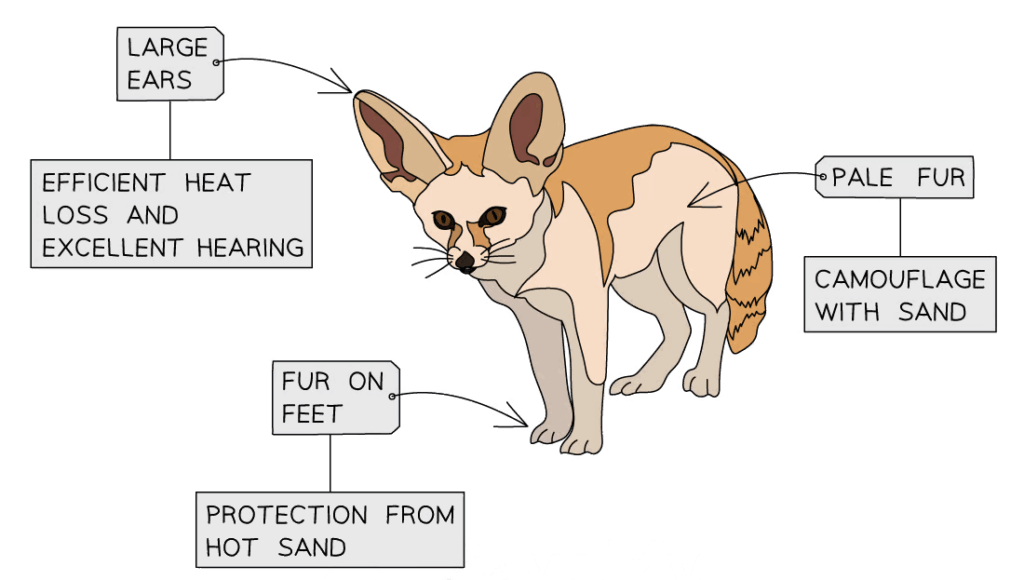
    • Structural: large ears (desert fox), thin fur, and pale colouring increase heat dissipation.
    • Physiological: sweating, panting, and vasodilation release heat. Some animals tolerate higher core temperatures to reduce water loss.
    • Behavioural: nocturnal activity avoids daytime heat; burrowing or shade-seeking reduces exposure.
    • Desert mammals like camels store fat in humps to reduce insulation and conserve water.
    • Evaporative cooling strategies are balanced against water conservation needs.

    ๐ŸŒ EE Focus: A possible EE could explore thermoregulation in desert vs polar animals, linking structural features (fur density, ear size) to energy expenditure.

    • Daily cycles: basking, huddling, or seeking shade align activity with optimal temperature ranges.
    • Seasonal cycles: migration (birds), hibernation (bears), or aestivation (amphibians) reduce stress from extreme temperatures.
    • Nesting and burrowing behaviours create microhabitats with stable conditions.
    • Symbiotic behaviours, such as clustering in colonies, improve group survival in extreme conditions.

    โค๏ธ CAS Link: A CAS project could involve creating awareness campaigns about local wildlife adaptations, e.g., how urban animals (dogs, birds) cope with heatwaves.

    ๐ŸŒ Real-World Connection: Human technologies mimic natural thermoregulation โ€” insulated clothing, evaporative cooling systems, and architectural designs draw inspiration from animals adapted to extreme environments.

    • Torpor: temporary lowering of metabolic rate to conserve energy during cold nights (e.g., hummingbirds).
    • Hibernation: long-term torpor during winter to reduce energy demands.
    • Aestivation: dormancy during hot, dry seasons (snails, amphibians).
    • Heat-shock proteins protect cellular structures when organisms experience sudden temperature spikes.
    • Acclimatisation: gradual physiological adjustment to seasonal or altitude-related temperature changes.

    ๐Ÿ” TOK Perspective: Thermoregulation highlights reductionist models (heat loss equations, energy balance) versus holistic perspectives (behaviour, ecosystems). TOK question: do simple models of heat balance adequately represent survival in complex natural environments?

    ๐Ÿ“ Paper 2: Questions may ask for comparisons of thermoregulation in endotherms and ectotherms, descriptions of adaptations in cold vs hot environments, or analysis of behavioural vs physiological strategies. Data-based questions could involve interpreting graphs of metabolic rate versus temperature. Full marks require examples (e.g., penguins huddling, camels sweating) and linking structure to function.

  • TermDefinition
    LocomotionThe ability of an organism to move from one location to another using coordinated skeletal and muscular systems.
    Synovial jointA freely movable joint with cartilage, synovial fluid, ligaments, and a capsule, allowing a wide range of motion.
    FlexionDecreasing the angle between two bones at a joint.
    ExtensionIncreasing the angle between two bones at a joint.
    AbductionMovement away from the midline of the body.
    AdductionMovement toward the midline of the body.

    Locomotion is a fundamental feature of motile animals, enabling them to forage, escape predators, migrate, and reproduce. Movement requires the integration of skeletal structure, joints, and antagonistic muscle pairs, coordinated by the nervous system. Joints provide flexibility, while muscles generate force, and bones act as levers. Together, they allow efficient movement patterns adapted to different environments, whether walking on land, swimming in water, or flying through air.

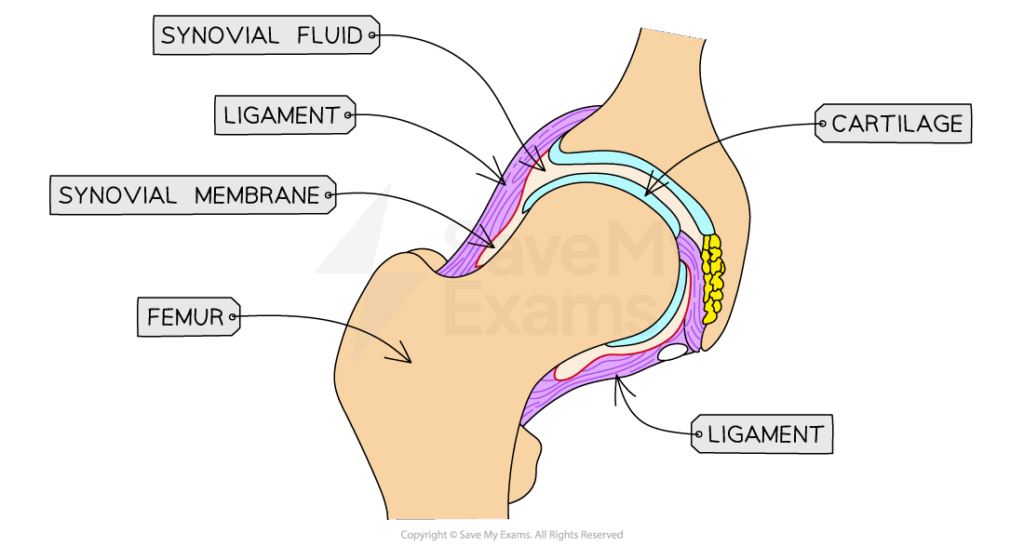
    • Synovial joints allow free movement due to their structure:
      • Cartilage โ†’ cushions bone ends and reduces wear.
      • Synovial fluid โ†’ lubricates and reduces friction.
      • Capsule and ligaments โ†’ stabilize joint while permitting flexibility.
    • Types of synovial joints:
      • Hinge joints (elbow, knee) โ†’ flexion and extension only.
      • Ball-and-socket joints (shoulder, hip) โ†’ wide range of movements (flexion, extension, rotation, abduction, adduction, circumduction).
      • Pivot joints (atlas-axis vertebrae) โ†’ rotation.
    • Movement efficiency depends on joint design and associated muscle arrangement.

    ๐Ÿง  Examiner Tip: Always link joint type to range of movement (e.g., hinge = one plane; ball-and-socket = multiple planes). Just naming the joint is not enough.

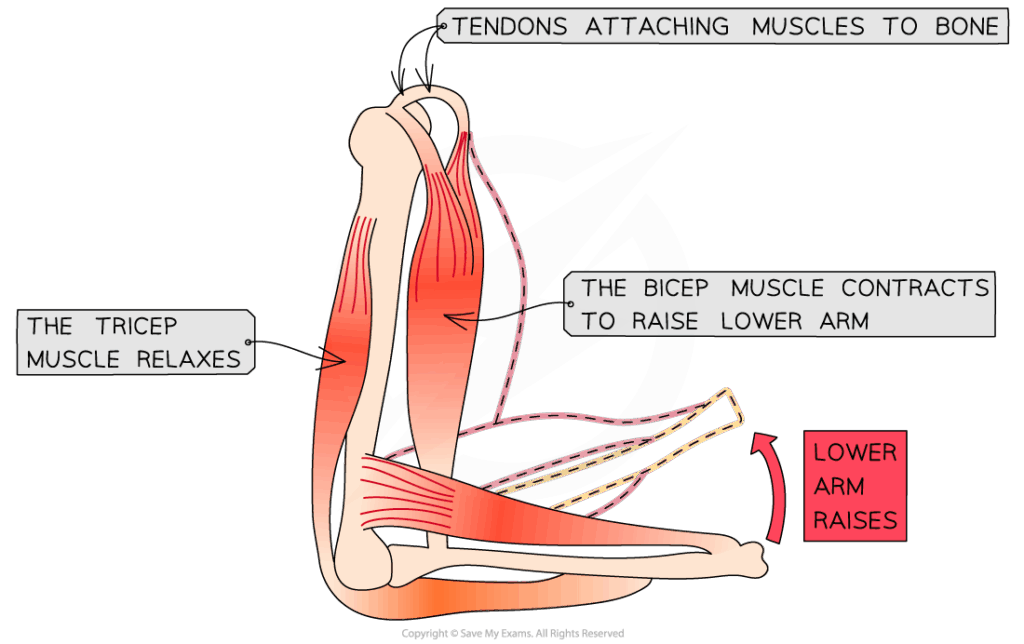
    • Muscles can only contract, not push, so they work in antagonistic pairs.
    • Example: Elbow joint
      • Biceps contract โ†’ flexion (forearm moves up).
      • Triceps contract โ†’ extension (forearm moves down).
    • Example: Knee joint
      • Quadriceps contract โ†’ extension.
      • Hamstrings contract โ†’ flexion.
    • This arrangement allows precise control, smooth coordination, and reversal of movement.

    ๐Ÿงฌ IA Tips & Guidance: Students can investigate reaction time and muscle response using grip strength or reflex arc experiments. Alternatively, biomechanics software can analyze joint angles and forces during exercise.

    • Terrestrial locomotion: limbs act as levers; spines and muscles adapted for running (cheetah) or jumping (kangaroo).
    • Aquatic locomotion: streamlined body, fins/flippers, reduced limb resistance (fish, dolphins).
    • Aerial locomotion: wings as modified forelimbs, lightweight skeletons, strong flight muscles (birds, bats).
    • Specialized adaptations (elastic tendons in kangaroos, pneumatic bones in birds) show how skeletal and muscular systems evolve for ecological niches.

    ๐ŸŒ EE Focus: An EE could investigate biomechanics of human locomotion under different conditions (running vs swimming) or compare skeletal adaptations for flight vs swimming in vertebrates.

    • Nervous system activates specific motor units for graded force.
    • Proprioceptors in muscles and joints provide feedback about body position.
    • Muscle tone and reflex arcs ensure stability during movement.
    • Locomotion efficiency requires integration of skeletal, muscular, and nervous systems.

    โค๏ธ CAS Link: Students could organize sports workshops or physiotherapy awareness sessions demonstrating how antagonistic muscles and joints work in daily movement, linking biology to health and fitness.

    ๐ŸŒ Real-World Connection:
    Joint injuries (ACL tears, dislocations, arthritis) highlight the importance of joint integrity. Prosthetics and exoskeletons apply knowledge of joint mechanics to restore movement. Sports science optimizes training by analyzing joint stress and efficiency. Robotic designs often mimic synovial joints and antagonistic muscle systems.

    • Efficiency of locomotion varies across species:
      • Fish achieve nearly frictionless movement through water.
      • Birds combine wing shape with skeletal lightness for flight efficiency.
      • Humans evolved bipedal locomotion, freeing forelimbs for tool use.
    • These comparisons highlight evolutionary solutions to the universal challenge of movement.

    ๐Ÿ” TOK Perspective: Biomechanics often simplifies living motion into mechanical models. TOK reflection: To what extent can reductionist mechanical models truly explain the complexity of coordinated biological locomotion?

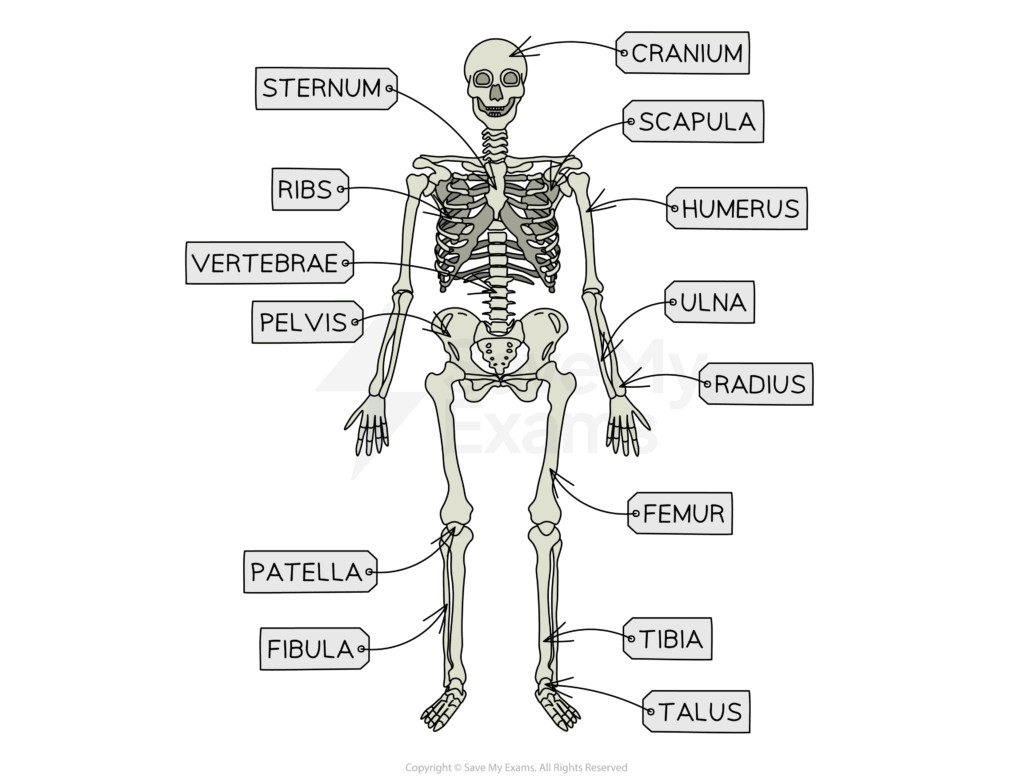
    ๐Ÿ“ Paper 2: Be ready to label diagrams of elbow and knee joints, describe antagonistic muscle action, compare hinge vs ball-and-socket joints, apply locomotion principles to animals, and explain adaptations for different environments.

  • TermDefinition
    SarcomereThe functional unit of a myofibril, defined as the region between two Z-lines.
    ActinThin filament protein that forms the backbone of the sarcomere; interacts with myosin for contraction.
    MyosinThick filament protein with heads that bind actin, hydrolyze ATP, and generate movement.
    TropomyosinProtein that covers actin binding sites in resting muscle.
    TroponinRegulatory protein that binds calcium ions, causing tropomyosin to shift and expose actin sites.
    Sliding filament theoryModel describing contraction as actin filaments sliding over myosin filaments, shortening the sarcomere.

    Muscle contraction underlies all active movement in animals, from heartbeat to locomotion. The basic mechanism is explained by the sliding filament theory, where actin and myosin filaments interact within the sarcomere. The process is powered by ATP and regulated by calcium ions released from the sarcoplasmic reticulum. Contraction transforms chemical energy into mechanical force, a unifying principle across muscle types (skeletal, cardiac, smooth).

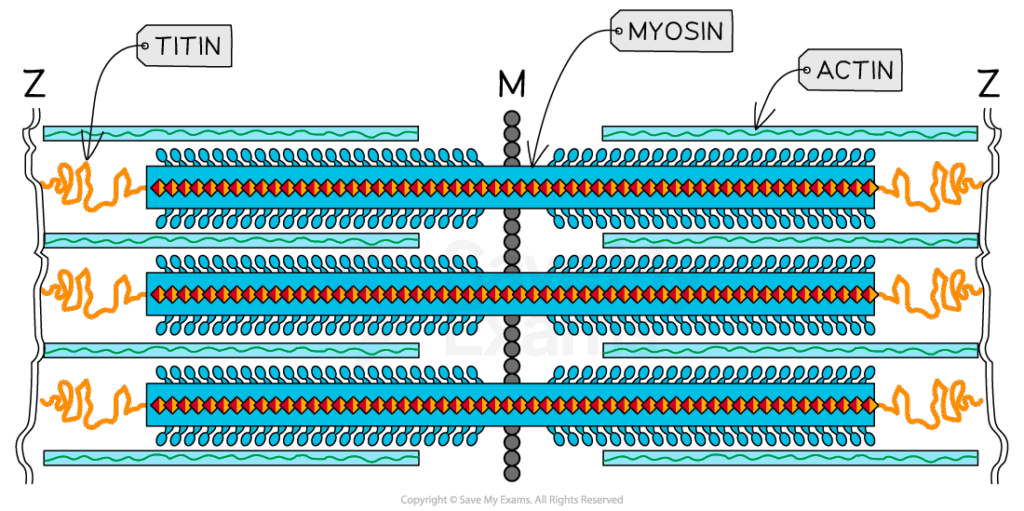
    • Each sarcomere is bounded by Z-lines, anchoring actin filaments.
    • A band: dark band containing overlapping actin and myosin filaments.
    • I band: light band containing actin only.
    • H zone: central region with myosin only.
    • During contraction:
      • Sarcomere shortens, Z-lines move closer.
      • I band and H zone shrink, but A band remains constant.
    • This structural change is observable under electron microscopy.

    ๐Ÿง  Examiner Tip: Examiners often test sarcomere changes. Remember: A band stays the same, while I band and H zone shorten.

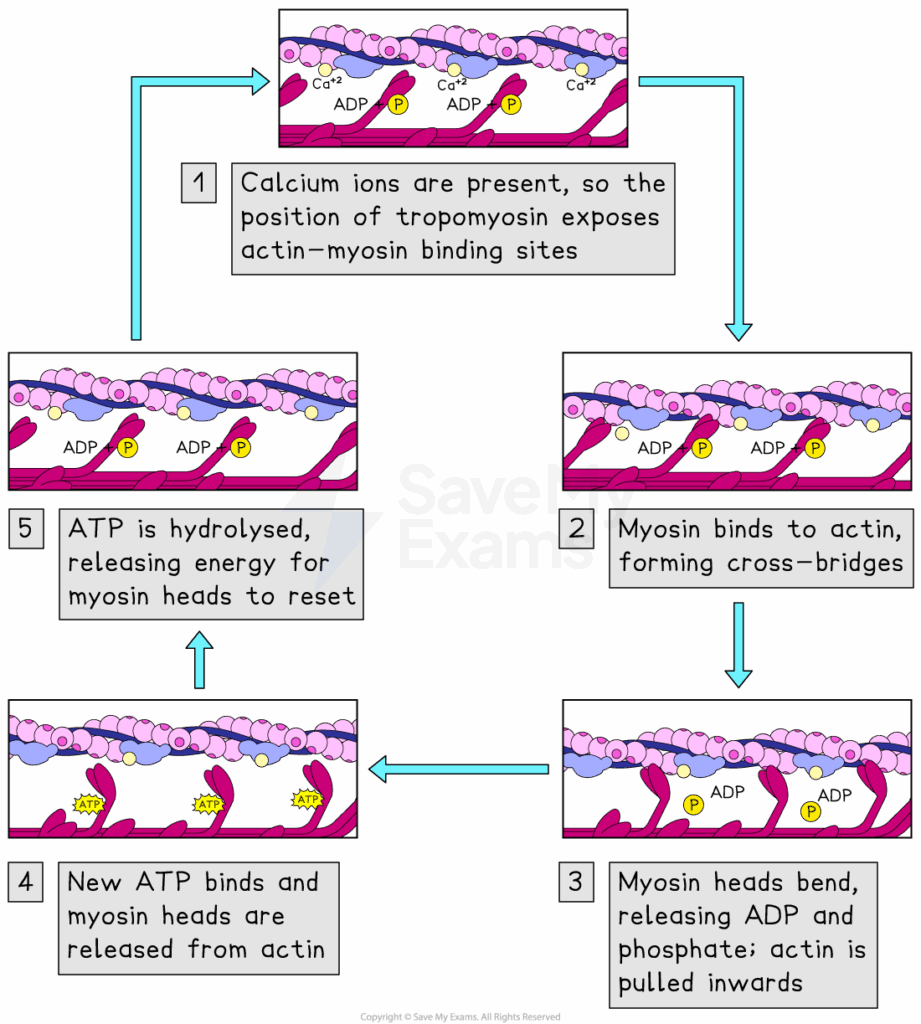
    • Resting state: tropomyosin blocks actin binding sites.
    • Excitation: nerve impulse triggers acetylcholine release, depolarizing the sarcolemma.
    • Calcium release: depolarization spreads via T-tubules, stimulating sarcoplasmic reticulum to release Caยฒโบ.
    • Binding: Caยฒโบ binds troponin, shifting tropomyosin and exposing actin sites.
    • Cross-bridge formation: myosin heads bind actin, forming cross-bridges.
    • Power stroke: myosin head pivots, pulling actin toward the M line, releasing ADP + Pi.
    • Detachment: ATP binds myosin, releasing it from actin.
    • Resetting: ATP hydrolysis re-cocks the myosin head.
    • The cycle repeats as long as Caยฒโบ and ATP are present.

    ๐Ÿงฌ IA Tips & Guidance: Students can model the sliding filament theory with physical props (sticks and hooks) or use bioinformatics tools to analyze muscle protein structures. Physiological labs can involve measuring muscle fatigue under repeated stimulation.

    • ATP functions:
      • Powers myosin head movement (power stroke).
      • Breaks cross-bridges by binding myosin.
      • Powers Caยฒโบ reuptake into sarcoplasmic reticulum.
    • Calcium ions:
      • Act as the trigger by binding troponin.
      • Maintain contraction as long as they remain in cytosol.
      • Removal of Caยฒโบ leads to relaxation.

    ๐ŸŒ EE Focus: An EE could explore how ATP availability or calcium ion concentration affects contraction efficiency. Topics could include muscle fatigue in high-intensity exercise or comparing calcium regulation in skeletal vs cardiac muscle.

    • Motor neurons release acetylcholine (ACh) into synaptic cleft.
    • ACh binds receptors on sarcolemma, opening sodium channels and depolarizing the muscle fiber.
    • Action potential spreads along sarcolemma and into T-tubules.
    • Ensures rapid and coordinated contraction of the muscle fiber.
    • Acetylcholinesterase breaks down ACh, resetting the system.

    โค๏ธ CAS Link: Students could organize workshops showing how reaction time and reflexes involve neuromuscular coordination, linking sports science and biology to community fitness or safety programs.

    ๐ŸŒ Real-World Connection:
    Understanding contraction underpins treatment of neuromuscular disorders (e.g., myasthenia gravis, muscular dystrophy). Drugs and toxins (e.g., curare, botulinum toxin) target neuromuscular junctions. Sports physiology applies knowledge of muscle metabolism and fatigue to improve training. Robotics and prosthetics mimic sliding filament mechanics in artificial actuators.

    • Skeletal muscle: voluntary, rapid, fatigue-prone; multinucleate and striated.
    • Cardiac muscle: involuntary, striated, highly resistant to fatigue due to many mitochondria and intercalated discs.
    • Smooth muscle: involuntary, non-striated; slower contractions for long-term control (e.g., peristalsis).
    • Despite differences, all rely on actinโ€“myosin interactions and ATP hydrolysis.

    ๐Ÿ” TOK Perspective: Muscle contraction is studied using reductionist models (sarcomere isolated under microscopes). TOK reflection: How much of biological understanding is lost when studying systems in isolation rather than in the whole organism?

    ๐Ÿ“ Paper 2: Be ready to label sarcomere diagrams, describe cross-bridge cycle, explain ATP and Caยฒโบ roles, outline neuromuscular junction, and distinguish contraction in skeletal, cardiac, and smooth muscle.

  • TermDefinition
    Motile organismOrganism capable of moving from one place to another (e.g., animals, many bacteria).
    Sessile organismOrganism fixed in place but capable of limited internal or part movement (e.g., plants, sponges).
    SkeletonRigid structure (endo- or exoskeleton) that provides support, protection, and anchorage for muscles.
    Antagonistic musclesPairs of muscles that work in opposite directions at a joint (one contracts while the other relaxes).
    Synovial jointA freely movable joint containing synovial fluid that reduces friction and allows varied movement.
    Lever systemSystem in which bones act as levers, joints as fulcrums, and muscles provide effort to move loads.

    Movement is a defining feature of life, ranging from internal cytoplasmic streaming to large-scale locomotion in animals. Motile organisms rely on muscular and skeletal systems for movement, while sessile organisms, such as plants, adapt movement for growth or orientation. Effective locomotion requires three components: muscles for generating force, a skeleton (endo- or exoskeleton) for support and leverage, and joints for flexibility. Adaptations in these systems allow organisms to perform specialized functions such as feeding, escaping predators, or migration.

    • Motile organisms: move actively from one place to another. Examples include animals that swim, fly, or walk. Even single-celled motile bacteria use flagella or cilia for propulsion.
    • Sessile organisms: fixed in place but capable of movement in parts. Plants orient stems to sunlight (phototropism), while sponges filter water by moving flagella.
    • Some organisms combine both traits โ€” corals are sessile as adults but motile as larvae.
    • These adaptations reflect ecological niches and energy trade-offs between mobility and anchorage.

    ๐Ÿง  Examiner Tip: Be ready with one motile and one sessile example for exams (e.g., human vs sponge). Simply stating โ€œplants are sessileโ€ is not enough โ€” you must give examples of movement such as tropisms or cytoplasmic streaming.

    • Skeletons provide anchorage points for muscles, leverage for force application, and protection for soft tissues.
    • Endoskeletons (vertebrates): internal support structure of bone and cartilage; grow with the organism.
    • Exoskeletons (arthropods, mollusks): external support made of chitin or calcium carbonate; provide protection but require molting for growth.
    • Both systems use joints as fulcrums and muscles as effectors to generate directional force.
    • Skeletons act as lever systems:
      • Bones = levers.
      • Joints = fulcrums.
      • Muscles = effort.
      • Load = weight moved.

    ๐Ÿงฌ IA Tips & Guidance: Students can model lever systems using bones, joints, and weights to measure mechanical advantage. Comparative studies of insect exoskeletons vs vertebrate bones could illustrate structural adaptations.

    • Synovial joints are the most mobile joints in the human body.
    • Components:
      • Cartilage covers bone ends, preventing wear.
      • Synovial fluid lubricates the joint, reducing friction.
      • Ligaments hold bones together while allowing flexibility.
      • Tendons attach muscles to bones, transmitting force.
    • Types of synovial joints:
      • Hinge joints (knee, elbow) โ†’ flexion and extension.
      • Ball-and-socket joints (hip, shoulder) โ†’ flexion, extension, rotation, abduction, adduction.
    • These joints allow a wide range of locomotor activities, from running to grasping.

    ๐ŸŒ EE Focus: An EE could explore biomechanics of joint movement, such as comparing mechanical efficiency of human hinge vs ball-and-socket joints or investigating how cartilage degeneration affects mobility in arthritis.

    • Muscles work in pairs because they can only contract, not push.
    • Antagonistic action: one contracts (agonist) while the other relaxes (antagonist).
    • Examples:
      • Biceps and triceps at the elbow joint (biceps flex, triceps extend).
      • Internal and external intercostal muscles in breathing.
    • Antagonistic pairs provide control, precision, and flexibility of movement.
    • Elastic proteins like titin contribute to restoring sarcomere shape and preventing overstretching.

    โค๏ธ CAS Link: Students could design fitness sessions demonstrating antagonistic muscle pairs (biceps/triceps, quadriceps/hamstrings), linking exercise science to community health and well-being.

    ๐ŸŒ Real-World Connection: Understanding skeletons and joints underpins medicine (orthopedics, prosthetics), sports science, and robotics. Artificial joints replicate synovial joint properties. Exoskeleton technology is now applied in rehabilitation and industry to assist human movement.

    • Movement requires cooperation of skeletal system (support and leverage), muscular system (force generation), and nervous system (coordination).
    • Adaptations vary: birds have lightweight skeletons for flight, cheetahs have flexible spines for speed, fish have streamlined bodies and fin structures for swimming.
    • Such adaptations show how evolution shapes movement efficiency for ecological success.

    ๐Ÿ” TOK Perspective: Movement studies rely heavily on biomechanical models that simplify complex interactions of muscles, bones, and joints. TOK reflection: To what extent do simplified mechanical models capture the reality of biological motion?

    ๐Ÿ“ Paper 2: Be ready to describe motile vs sessile organisms, compare endo- and exoskeletons, label synovial joint diagrams, explain antagonistic muscle action with examples, and apply lever principles to biological systems.

  • TermDefinition
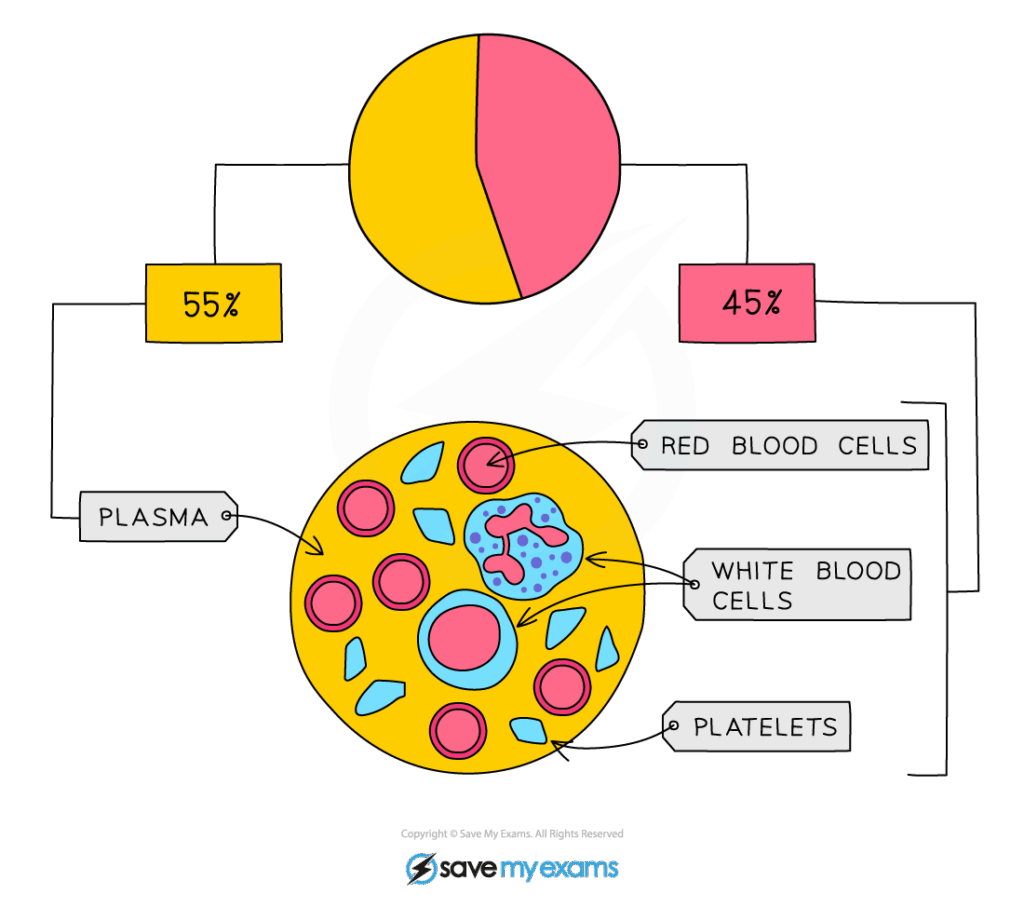
    PlasmaThe liquid component of blood (mostly water, with proteins, ions, nutrients, and wastes dissolved).
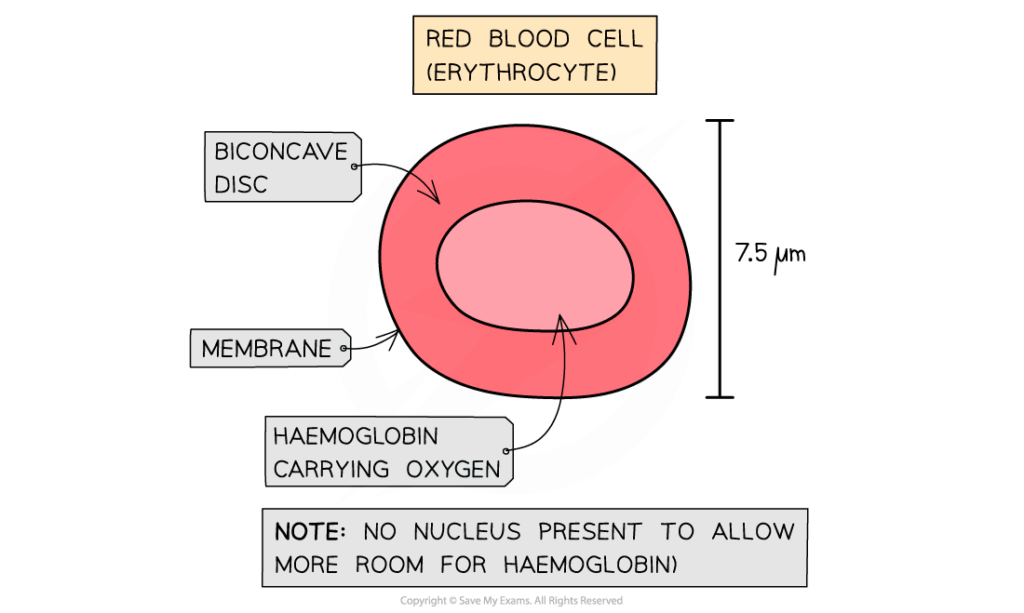
    Erythrocyte (RBC)Red blood cell; biconcave, anucleate cells specialized for oxygen transport via hemoglobin.
    Leukocyte (WBC)White blood cells involved in defense and immunity.
    Platelet (thrombocyte)Small, cell-fragment particles that play a key role in blood clotting.
    HemostasisThe physiological process that stops bleeding, involving platelets and clotting factors.
    AntigenA molecule recognized by the immune system, often triggering antibody production.

    Blood is the primary transport medium in animals with closed circulatory systems, carrying oxygen, nutrients, hormones, and wastes while also defending the body and regulating homeostasis. It is composed of plasma, red blood cells, white blood cells, and platelets. The precise composition of blood allows it to function not just as a transport fluid but also as an immune defense system, a thermal regulator, and a key player in wound repair.

    • Plasma makes up ~55% of blood volume and is mostly water, giving blood its fluidity.
    • Carries dissolved gases (Oโ‚‚, COโ‚‚), nutrients (glucose, amino acids, lipids), and wastes (urea, lactic acid).
    • Contains plasma proteins:
      • Albumin โ†’ maintains osmotic balance and transports lipids/hormones.
      • Globulins โ†’ transport and immunity (antibodies).
      • Fibrinogen โ†’ clotting factor that forms fibrin during clotting.
    • Plasma distributes hormones, heat, and buffers to regulate pH, making it vital for homeostasis.

    ๐Ÿง  Examiner Tip: In IB exams, donโ€™t just list plasma functions โ€” link them to homeostasis (e.g., albumin โ†’ osmotic pressure โ†’ tissue fluid balance).

    • RBCs are highly specialized: biconcave shape increases surface area for gas exchange.
    • Lack nuclei and most organelles โ†’ maximize space for hemoglobin.
    • Hemoglobin binds oxygen reversibly, enabling efficient transport.
    • Life span is ~120 days, after which RBCs are recycled by the spleen and liver.
    • RBC count and hemoglobin levels are critical indicators of health (e.g., anemia results from low hemoglobin).

    ๐Ÿงฌ IA Tips & Guidance: Investigations can include calculating hematocrit levels from blood samples or modeling oxygen dissociation curves using data sets. Ethical simulations rather than direct human samples are encouraged at IB level.

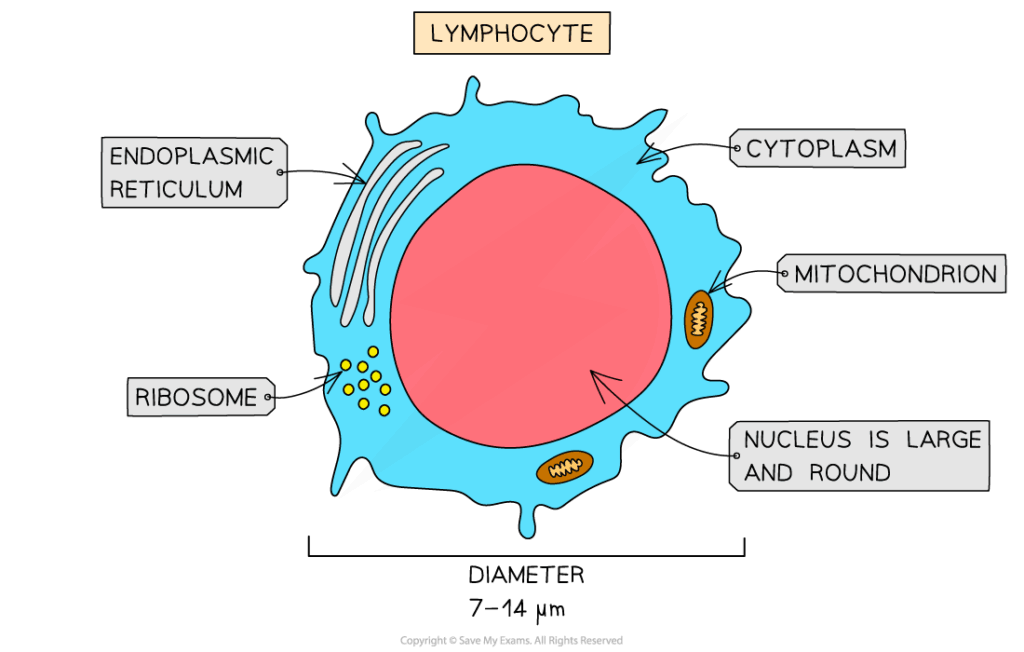
    • Leukocytes are diverse, each specialized for immune defense:
      • Neutrophils โ†’ phagocytose bacteria and fungi.
      • Lymphocytes โ†’ B cells produce antibodies, T cells destroy infected cells.
      • Monocytes โ†’ differentiate into macrophages for long-term defense.
      • Eosinophils & basophils โ†’ combat parasites and mediate allergic reactions.
    • They can exit capillaries by diapedesis to reach sites of infection.
    • Though less numerous than RBCs, their protective role is essential for survival.

    ๐ŸŒ EE Focus: An EE could explore how leukocyte counts change in response to infections or how vaccination influences antibody production, linking blood composition to immunity.

    • Platelets are cell fragments derived from megakaryocytes in bone marrow.
    • In response to injury, they adhere to exposed collagen and release clotting factors.
    • This activates a cascade leading to conversion of fibrinogen โ†’ fibrin, forming a mesh that traps RBCs to create a clot.
    • Hemostasis prevents excessive blood loss while protecting against pathogens.
    • Disorders such as hemophilia or thrombosis show the importance of balance in clotting systems.

    โค๏ธ CAS Link: Students could organize a blood donation awareness campaign, explaining to peers and community members how donated blood (RBCs, plasma, platelets) saves lives in surgery, cancer therapy, and trauma care.

    ๐ŸŒ Real-World Connection:
    Blood composition is central to medicine. Blood tests (CBC, glucose levels, clotting times) are routine diagnostic tools. Blood transfusions require knowledge of ABO and Rh antigens to prevent rejection. Disorders such as anemia, leukemia, and clotting diseases illustrate how disruption in one component can threaten life. Advances like synthetic blood substitutes, stem-cell-derived RBCs, and immunotherapies show applied knowledge of blood biology.

    • Transport โ†’ Oโ‚‚, COโ‚‚, nutrients, wastes, hormones.
    • Regulation โ†’ body temperature, pH buffering, osmotic balance.
    • Protection โ†’ clotting prevents blood loss; WBCs and antibodies defend against pathogens.
    • Blood integrates transport, regulation, and defense into one fluid system that sustains homeostasis.

    ๐Ÿ” TOK Perspective: Blood has cultural and symbolic significance across societies, influencing how science communication is received. TOK reflection: How does cultural symbolism affect the way scientific knowledge about blood is understood and accepted by the public?

    ๐Ÿ“ Paper 2: Be ready to describe plasma composition and functions, outline the roles of RBCs, WBCs, and platelets, explain clotting cascades, and interpret medical data such as hematocrit levels or leukocyte counts.

  • TermDefinition
    Circulatory systemNetwork of blood vessels and a pump (heart) that transports substances throughout the body.
    Open circulatory systemSystem in which blood (hemolymph) directly bathes organs without being confined to vessels.
    Closed circulatory systemSystem where blood flows through vessels, separated from interstitial fluid.
    Double circulationCirculation system in mammals with pulmonary (heartโ€“lungsโ€“heart) and systemic (heartโ€“bodyโ€“heart) circuits.
    HemoglobinGlobular protein in red blood cells that transports oxygen, showing cooperative binding.
    LymphFluid derived from interstitial fluid, transported in lymphatic vessels, contributing to immunity and fluid balance.

    Multicellular animals require efficient transport systems to overcome diffusion limitations. The circulatory system enables distribution of oxygen, nutrients, hormones, and removal of wastes like COโ‚‚ and urea. While smaller or simple organisms (flatworms, cnidarians) rely on diffusion or gastrovascular cavities, complex organisms evolved circulatory systems. Invertebrates like insects use open systems, while vertebrates possess closed systems. Mammals have highly efficient double circulation, supporting high metabolic demands and endothermy.

    • Open systems (e.g., insects): hemolymph is pumped into body cavities, directly bathing organs. These systems are energetically cheaper but less efficient for rapid transport.
    • Closed systems (e.g., annelids, fish, mammals): blood remains within vessels, ensuring higher pressure and faster, directed flow. This allows separation of oxygen-rich and oxygen-poor blood, crucial for sustaining active lifestyles.
    • Closed systems can support large body size, complex tissues, and high metabolic activity.

    ๐Ÿง  Examiner Tip: When comparing open and closed systems, focus on efficiency and pressure differences, not just the presence/absence of vessels.

    • The mammalian heart is a muscular organ with four chambers (two atria, two ventricles), ensuring complete separation of oxygenated and deoxygenated blood.
    • Right side pumps deoxygenated blood to lungs (pulmonary circulation).
    • Left side pumps oxygenated blood to the body (systemic circulation).
    • Double circulation maintains high blood pressure in systemic circuits, ensuring efficient oxygen delivery.
    • Valves prevent backflow, and coronary vessels supply the heart muscle itself.

    ๐Ÿงฌ IA Tips & Guidance: Students can dissect a mammalian heart to identify chambers, valves, and vessels. Alternatively, digital simulations can be used to trace blood flow. Classic experiments include monitoring heart rate before/after exercise to link circulation to metabolism.

    • Arteries: thick-walled, elastic vessels carrying blood away from the heart under high pressure. Elastic recoil maintains pressure between beats.
    • Veins: thinner walls, valves to prevent backflow, assisted by skeletal muscle contractions.
    • Capillaries: one cell thick, maximizing exchange of oxygen, nutrients, and wastes between blood and tissues.
    • The distribution of vessel structures reflects their roles in transport and pressure regulation.

    ๐ŸŒ EE Focus: An EE could investigate how exercise intensity affects blood pressure or cardiac output, or explore evolutionary adaptations in circulatory systems of animals adapted to extreme environments (e.g., diving mammals, high-altitude birds).

    • Hemoglobin increases oxygen-carrying capacity of blood 70-fold compared to dissolved oxygen.
    • Exhibits cooperative binding: binding of one oxygen molecule increases affinity for the next.
    • Oxygen dissociation curves show how hemoglobin releases oxygen more readily in tissues with low oxygen and high COโ‚‚ (Bohr effect).
    • Myoglobin, in muscles, provides oxygen storage and ensures supply during high activity.

    โค๏ธ CAS Link: Students could run fitness awareness programs demonstrating how exercise improves cardiovascular efficiency, linking biological knowledge of transport to personal health.

    ๐ŸŒ Real-World Connection: Cardiovascular diseases are leading causes of death globally. Hypertension, atherosclerosis, and heart attacks stem from disruptions in transport systems. Blood doping and artificial erythropoietin use in sports exploit oxygen transport mechanisms. Medical advances like pacemakers, artificial hearts, and bypass surgery highlight applied understanding of circulatory systems.

    • Circulation is tightly linked to the respiratory system (oxygen uptake, COโ‚‚ removal), digestive system (nutrient transport), and excretory system (waste removal).
    • Hormones transported in blood regulate metabolism, growth, and homeostasis.
    • The lymphatic system works alongside the circulatory system to return interstitial fluid and aid immune defense.

    ๐Ÿ” TOK Perspective: Much of our knowledge about circulation comes from models (e.g., William Harveyโ€™s model of blood flow). TOK reflection: How do historical shifts in scientific models change our view of โ€œestablished knowledge,โ€ and what role does technology (microscopy, imaging) play in these shifts?

    ๐Ÿ“ Paper 2: Be ready to draw and label the mammalian heart, trace blood flow through double circulation, compare open vs closed systems, interpret oxygen dissociation curves, and apply knowledge to health and exercise contexts.

  • TermDefinition
    XylemVascular tissue that transports water and dissolved minerals upward from roots to leaves.
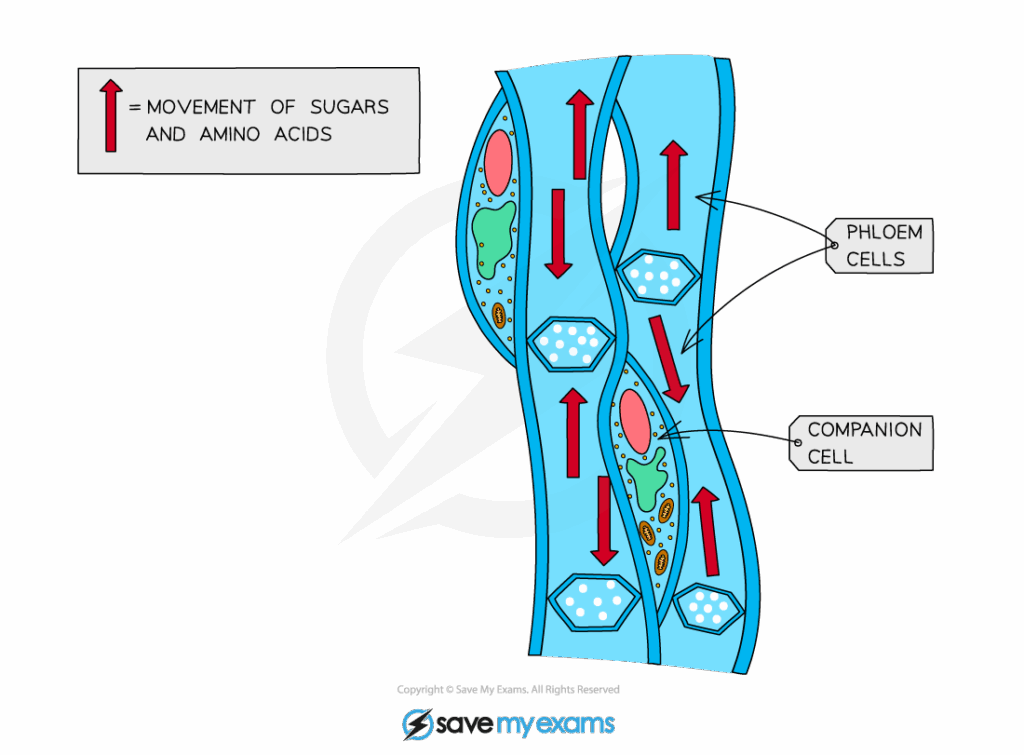
    PhloemVascular tissue that transports organic compounds (mainly sucrose) bidirectionally.
    TranspirationEvaporation of water from leaf surfaces, driving water uptake through xylem.
    Cohesionโ€“tension theoryModel explaining how hydrogen bonding between water molecules and adhesion to xylem walls enables upward water transport.
    TranslocationThe movement of sugars and other organic compounds in phloem, from sources (e.g., leaves) to sinks (e.g., roots, fruits).
    Companion cellPhloem cell that actively loads sucrose into sieve tubes via ATP-driven transport.

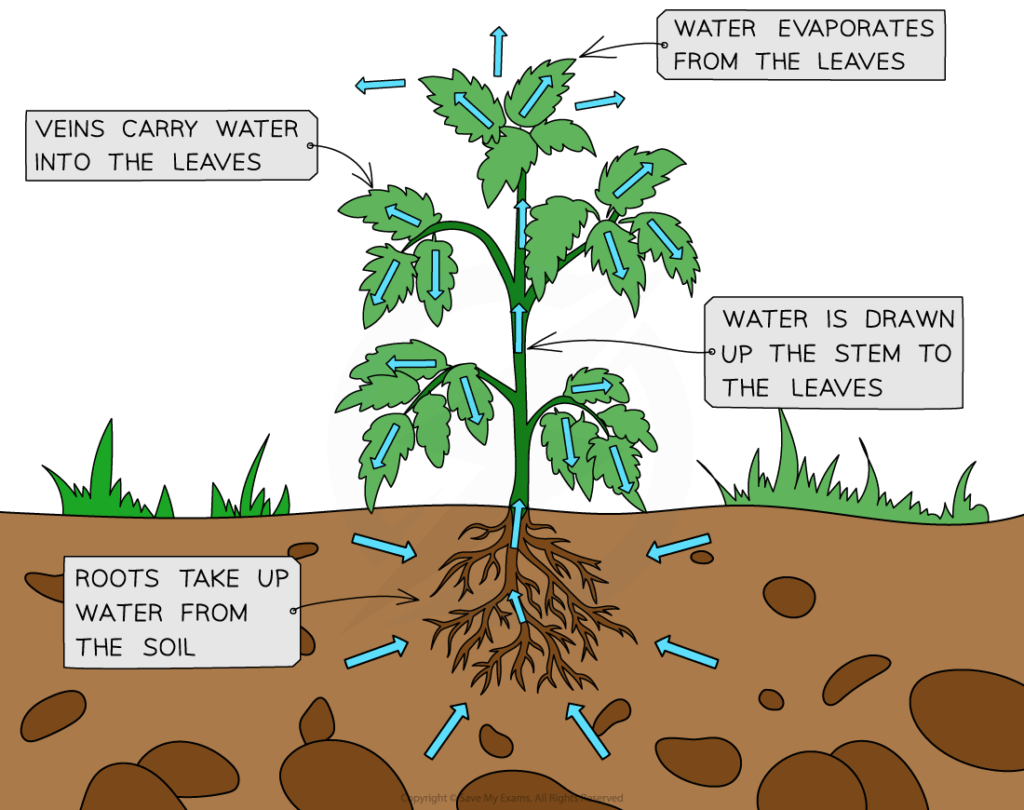
    Transport in plants is essential for distributing water, minerals, and organic nutrients to all tissues. While diffusion and osmosis are sufficient for unicellular organisms, multicellular plants evolved vascular systems โ€” xylem for water and minerals, and phloem for photosynthates. These systems ensure efficient long-distance transport, even in tall trees. The cohesionโ€“tension model explains how transpiration drives upward water flow, while the pressure-flow hypothesis explains phloem transport. Understanding these processes links molecular interactions like hydrogen bonding to ecological phenomena such as global water cycling.

    • Xylem vessels are elongated, dead cells aligned end to end, forming continuous tubes.
    • Thickened lignin walls prevent collapse under tension and provide structural support.
    • Water moves upward by:
      • Cohesion: hydrogen bonding between water molecules keeps them connected.
      • Adhesion: water sticks to hydrophilic xylem walls, aiding capillarity.
      • Transpiration pull: evaporation from stomata creates negative pressure, pulling water upward.
    • This passive process requires no metabolic energy from plants.

    ๐Ÿง  Examiner Tip: Always state that water transport in xylem is a passive process driven by transpiration and cohesionโ€“tension, not by pumping or active forces.

    • Phloem consists of sieve tube elements (lacking nuclei and ribosomes) supported by companion cells.
    • Companion cells actively load sucrose using ATP and proton pumps, creating high solute concentration.
    • This lowers water potential, drawing water into sieve tubes by osmosis.
    • Hydrostatic pressure builds at sources (e.g., leaves) and pushes phloem sap toward sinks (e.g., roots, fruits, storage organs).
    • This mechanism is called the pressure-flow hypothesis.

    ๐Ÿงฌ IA Tips & Guidance: Experiments can include measuring transpiration with a potometer under varying humidity, temperature, or wind conditions. For phloem, aphid stylet experiments can demonstrate direction and composition of translocation.

    • Stomata control transpiration by regulating gas exchange. Guard cells respond to light, COโ‚‚, and water availability.
    • Environmental factors (humidity, temperature, wind, light) influence transpiration rate.
    • Seasonal changes affect transport โ€” sugars flow to roots in winter and toward shoots/flowers in spring.

    ๐ŸŒ EE Focus: An EE could investigate how environmental conditions (light intensity, humidity, COโ‚‚ levels) influence transpiration rates, or how different plant adaptations (xerophytes vs hydrophytes) alter vascular transport efficiency.

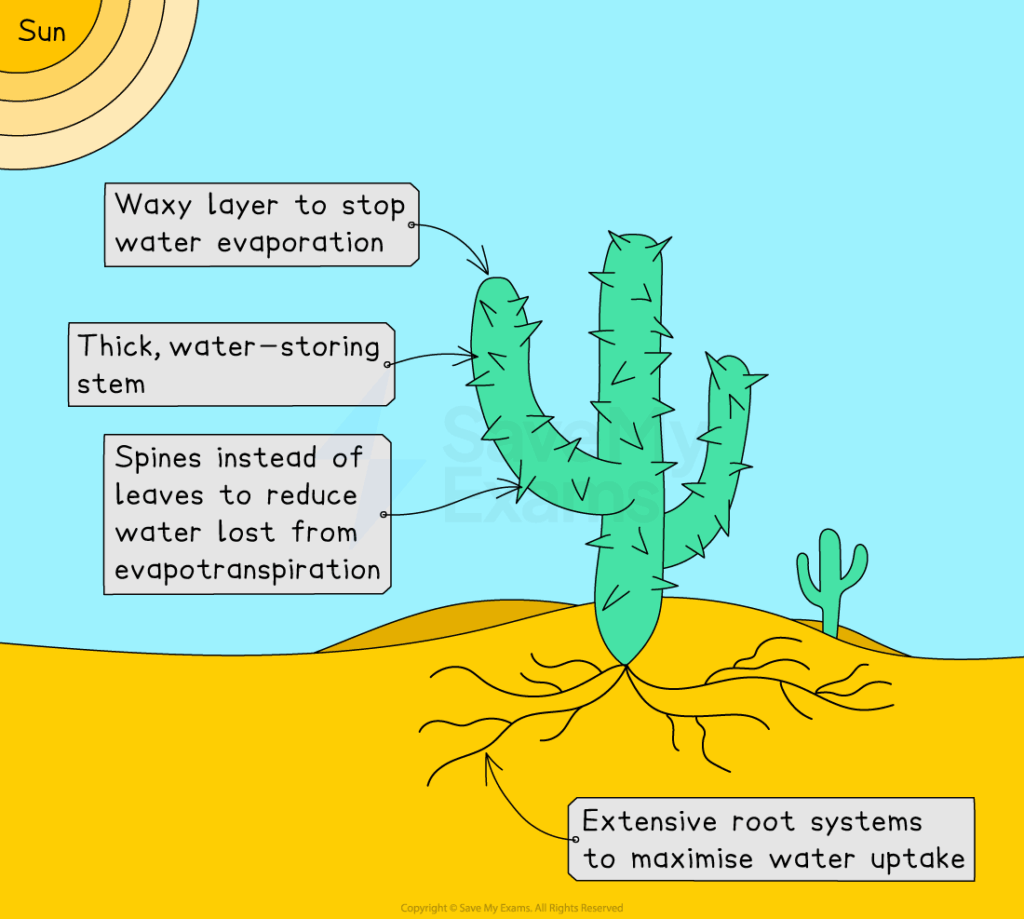
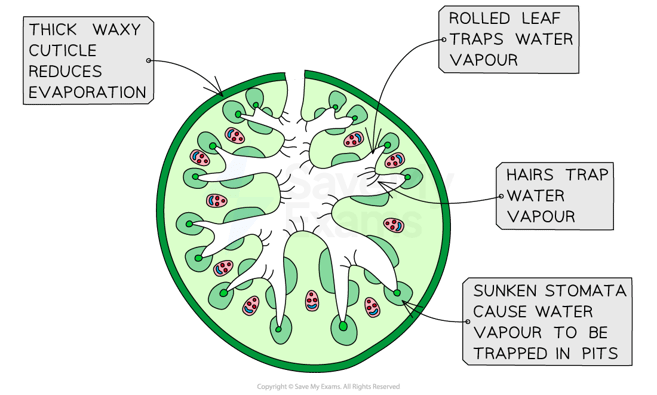
    • Xerophytes: reduced leaf area, thick cuticles, sunken stomata to minimize water loss.
    • Hydrophytes: large air spaces for buoyancy, stomata on upper surfaces, reduced vascular tissue.
    • Halophytes: salt glands, succulence, and selective ion transport to survive in saline environments.
    • These adaptations link plant transport physiology to survival in diverse habitats.

    โค๏ธ CAS Link: Students could build simple potometer models and present findings on plant water use efficiency to promote sustainable agriculture or gardening in their communities.

    ๐ŸŒ Real-World Connection: Knowledge of plant transport underpins agriculture and forestry. Drought-resistant crop breeding focuses on xylem efficiency. Sugarcane productivity depends on optimizing phloem translocation. Global climate change threatens transpiration cycles, with direct impacts on ecosystems and water availability.

    • Explains how water and minerals reach leaves for photosynthesis.
    • Provides the basis for sugar movement into fruits, essential in agriculture.
    • Connects cellular-level hydrogen bonding to ecosystem-level water cycling.

    ๐Ÿ” TOK Perspective: The cohesionโ€“tension theory relies on indirect evidence, since we cannot directly โ€œseeโ€ water columns in xylem. TOK reflection: How do models built on indirect evidence shape our confidence in scientific explanations?

    ๐Ÿ“ Paper 2: Be ready to label xylem and phloem structures, explain cohesionโ€“tension and pressure-flow hypotheses, describe experiments (potometers, aphid stylets), and apply transport mechanisms to real-world plant adaptations.

  • TermDefinition
    VentilationThe movement of a respiratory medium (air or water) across a gas exchange surface.
    Tidal ventilationInhalation and exhalation of air into lungs, as seen in mammals.
    HaemoglobinA protein in red blood cells that binds oxygen for transport in the blood.
    Oxygen dissociation curveA graph showing how haemoglobin saturation varies with partial pressure of oxygen.
    Bohr effectThe shift of the oxygen dissociation curve in response to increased COโ‚‚, enhancing oxygen release to tissues.

    Gas exchange alone is insufficient without mechanisms to move gases into and out of respiratory surfaces (ventilation) and transport them around the body (gas transport). Animals have evolved specialised ventilatory mechanisms to maintain concentration gradients and circulatory systems to distribute oxygen efficiently. Haemoglobin and other respiratory pigments increase the bloodโ€™s oxygen-carrying capacity, while regulatory adaptations optimise delivery in different conditions.

    • Mammals use a negative pressure system: the diaphragm contracts and flattens while intercostal muscles expand the ribcage, drawing air into the lungs.
    • Exhalation is usually passive, driven by elastic recoil of lung tissue, but can be active during exercise.
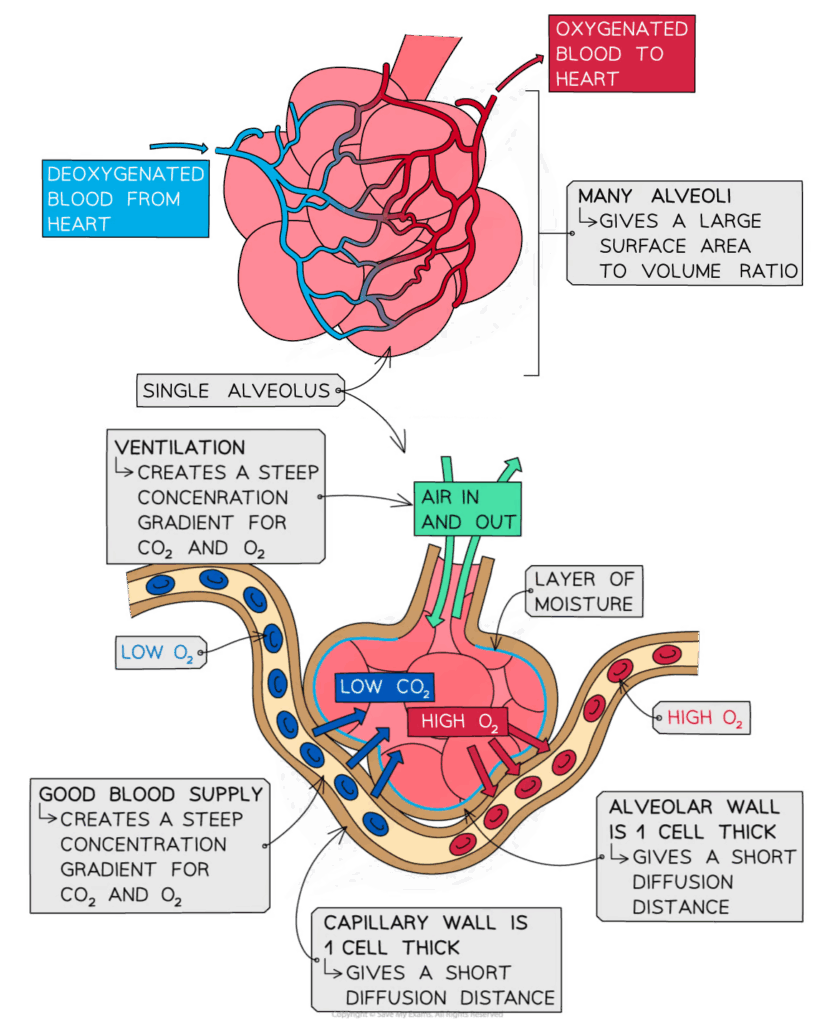
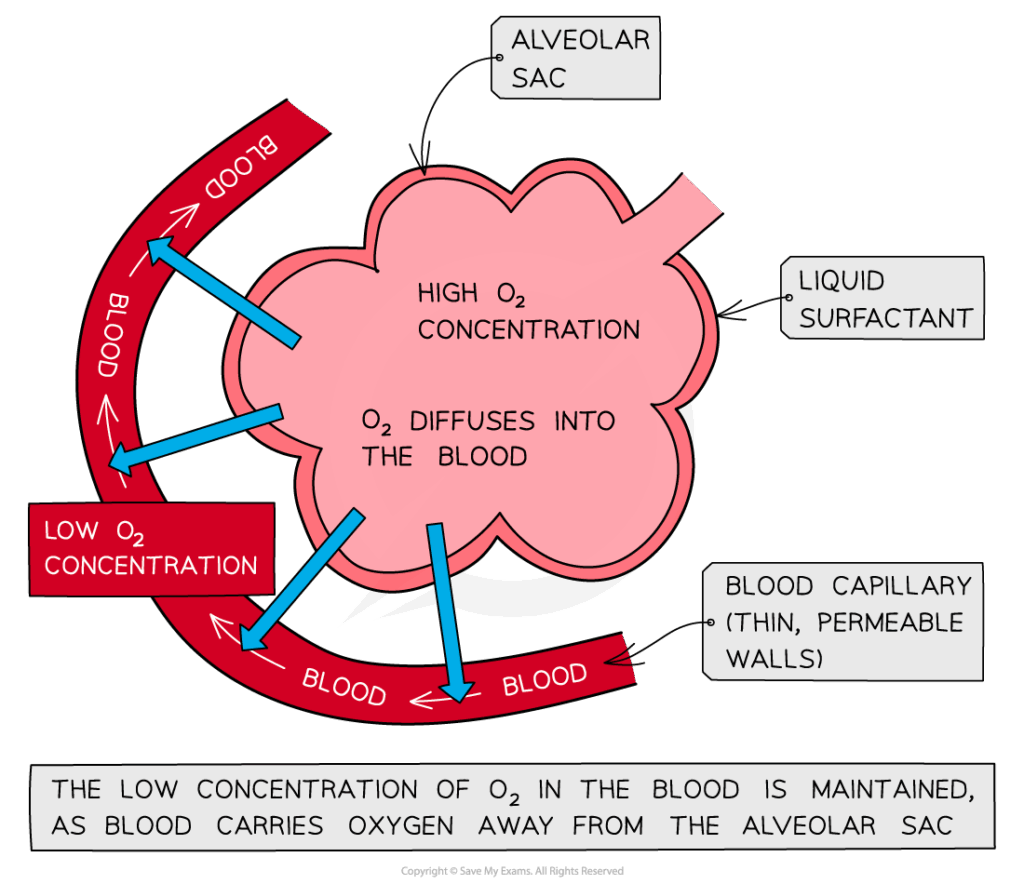
    • Ventilation maintains high oxygen and low carbon dioxide concentrations in alveoli, sustaining gradients for diffusion.
    • Control centres in the medulla regulate breathing rate, responding to COโ‚‚ levels in the blood.

    ๐Ÿง  Examiner Tip: Avoid vague statements like โ€œair goes in and out.โ€ Always describe muscle movements, pressure changes, and resulting airflow direction.

    • Haemoglobin binds oxygen in the lungs (where oxygen partial pressure is high) and releases it in tissues (where oxygen partial pressure is low).
    • The oxygen dissociation curve is sigmoidal (S-shaped) due to cooperative binding of oxygen to haemoglobin.
    • The Bohr effect ensures more oxygen is released in actively respiring tissues where COโ‚‚ and acidity are high.
    • In some animals, haemoglobin is adapted for specific conditions (e.g., high affinity in llamas at altitude, or myoglobin in diving mammals).

    ๐Ÿงฌ IA Tips & Guidance: Students could model oxygen dissociation curves using computer simulations or data analysis tasks, comparing normal vs Bohr-shifted curves.

    • Fish use unidirectional ventilation by passing water over gills, maintaining a continuous concentration gradient.
    • Birds have highly efficient ventilation with unidirectional airflow through parabronchi and air sacs, ensuring oxygen uptake even during exhalation.
    • Insects use abdominal pumping to move air in and out of tracheae, increasing diffusion rates in active states.

    ๐ŸŒ EE Focus: An EE could analyse how different ventilatory mechanisms contribute to ecological success, e.g., why bird respiration allows sustained flight or why diving mammals have adapted haemoglobin/myoglobin properties.

    • COโ‚‚ is transported mainly as bicarbonate ions in plasma, catalysed by the enzyme carbonic anhydrase.
    • Some COโ‚‚ binds to haemoglobin to form carbaminohaemoglobin, while a small amount dissolves directly in plasma.
    • Transport of COโ‚‚ plays a key role in regulating blood pH.

    โค๏ธ CAS Link: Students could build interactive models showing how haemoglobin binds oxygen and how the dissociation curve shifts, presenting them in school workshops.

    ๐ŸŒ Real-World Connection: Disorders such as anaemia, emphysema, and high-altitude sickness all relate to gas transport or ventilation. Blood doping in sports manipulates haemoglobin concentration to increase oxygen delivery, linking biology to ethics in athletics.

    • Ventilation maintains gradients at the respiratory surface, while circulation and haemoglobin ensure delivery to tissues.
    • This integrated system highlights how multiple organ systems work together for efficiency.

    ๐Ÿ” TOK Perspective: Hemoglobin’s oxygen dissociation curve is often presented as a simplified model, but real curves vary across species and conditions. This raises a TOK issue: to what extent do simplified models clarify biological principles versus masking complexity?

    ๐Ÿ“ Paper 2: Paper 2 may ask students to describe mammalian ventilation, interpret oxygen dissociation curves, or compare gas transport in different species. Data-based questions often involve analysing shifts in the curve under different COโ‚‚ levels. High-mark answers must connect muscle action, gas gradients, and haemoglobin function clearly.