D4.1.1 VARIATION AND STRUGGLE FOR SURVIVAL
📌Definition Table
| Term | Definition |
|---|---|
| Variation | Differences in traits among individuals of a species caused by genetic and environmental factors. |
| Genetic variation | Heritable differences due to mutations, sexual reproduction, and recombination. |
| Struggle for survival | Competition among organisms for limited resources necessary to survive and reproduce. |
| Intraspecific competition | Competition between members of the same species for resources like mates, food, or territory. |
| Interspecific competition | Competition between different species occupying similar ecological niches. |
| Selective pressure | Environmental factors that influence survival and reproductive success of individuals. |
📌Introduction
Variation is the foundation of evolution, as it provides the raw material on which natural selection acts. Within any population, individuals differ in physical, physiological, and behavioural traits. These differences arise from genetic mutations, recombination during meiosis, and environmental influences. Since resources are limited, individuals must compete in the struggle for survival, where only some succeed in obtaining food, mates, and shelter. Those with advantageous traits survive and reproduce, passing their characteristics to the next generation, shaping evolutionary change.
📌 Sources of Variation
- Mutation introduces new alleles and traits, sometimes beneficial, neutral, or harmful.
- Meiosis generates variation through independent assortment and crossing over.
- Sexual reproduction combines alleles from two parents, producing unique offspring.
- Environmental influences (nutrition, temperature, disease) modify phenotype without altering genotype.
- Epigenetic modifications regulate gene expression, influencing variation across generations.
🧠 Examiner Tip: Avoid confusing adaptation with variation. Variation is the raw diversity of traits, while adaptations are traits that prove advantageous under selective pressures.
📌 Struggle for Survival
- Populations produce more offspring than the environment can support.
- Resources such as food, water, and mates become limiting.
- Competition arises both within species and between species.
- Predation, disease, and climate stress increase mortality.
- Individuals with advantageous traits gain better access to resources, enhancing reproductive success.
🧬 IA Tips & Guidance: Investigations could examine variation in a measurable trait (e.g., height in plants grown under different light conditions) and link it to environmental pressures.
📌 Role of Selective Pressures
- Predators preferentially consume weaker or poorly adapted individuals.
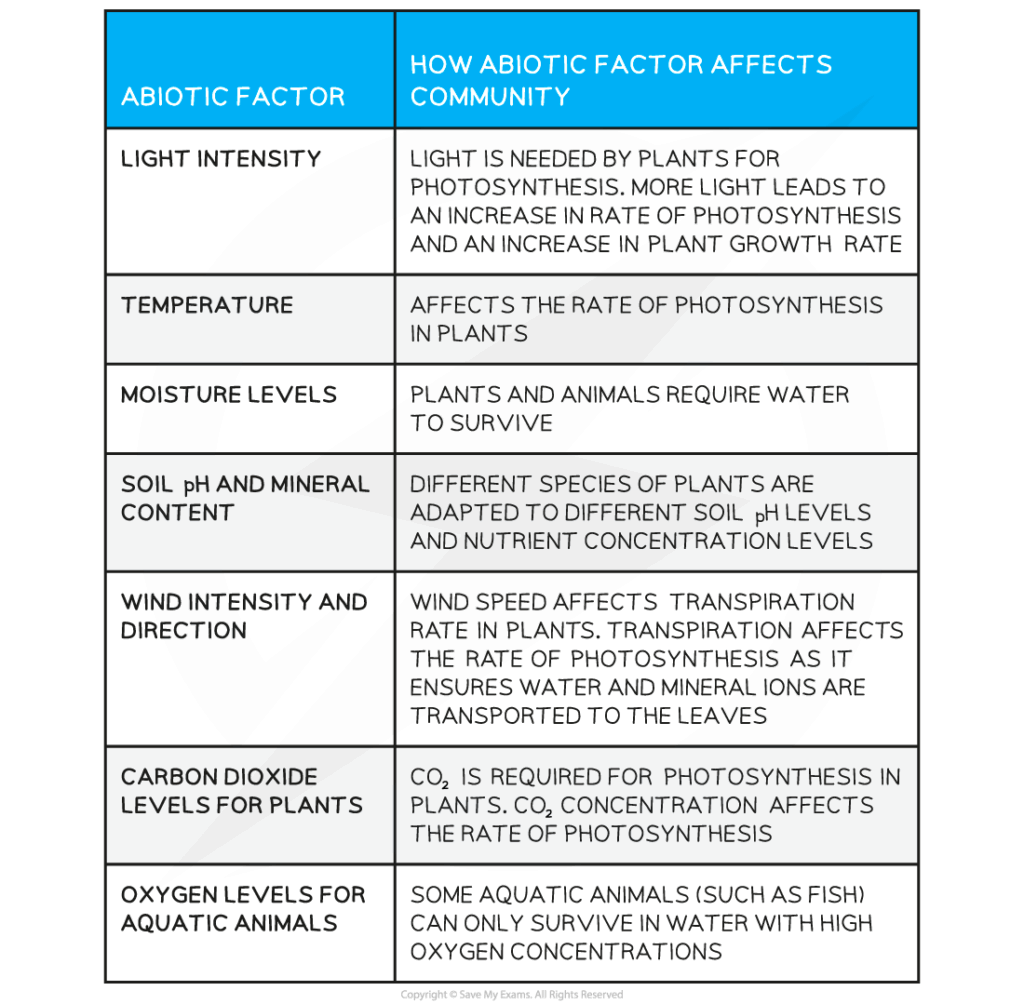
- Climate extremes (heat, drought, cold) test physiological limits.
- Parasites and pathogens reduce survival of less resistant hosts.
- Human activities (hunting, antibiotics, habitat alteration) impose new pressures.
- Selection favours traits that improve survival under these conditions.
🌐 EE Focus: An EE could analyse the role of genetic variation in conservation biology, asking how maintaining diversity ensures species survival under changing environments.
📌 Outcomes of Variation and Struggle
- Survival of the fittest: only those with favourable traits survive.
- Differential reproductive success leads to gradual changes in population genetics.
- Traits conferring disadvantage become rare or lost.
- Over generations, advantageous traits accumulate, driving evolution.
- In extreme cases, variation plus selection may lead to speciation.
❤️ CAS Link: Students could conduct biodiversity surveys of local species, documenting variation and relating it to survival challenges in the environment.
🌍 Real-World Connection: Variation underlies agriculture (e.g., breeding drought-resistant crops) and medicine (e.g., variation in pathogens leads to antibiotic resistance).
📌 Integration with Evolutionary Theory
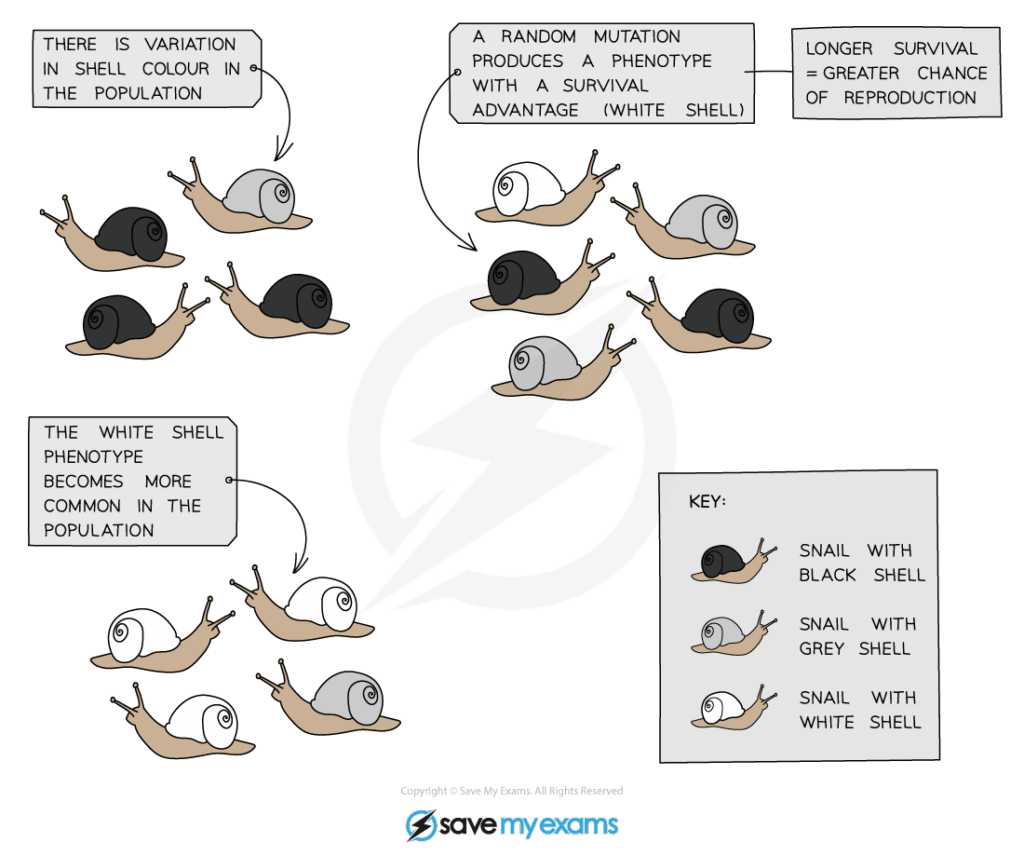
- Darwin and Wallace observed variation and competition in nature.
- Their work on finches demonstrated adaptation through selective survival.
- The principle of overproduction combined with variation explains natural selection.
- Population genetics later quantified variation with allele frequencies.
- This integration remains the foundation of modern evolutionary biology.
🔍 TOK Perspective: Variation is observable, but linking it to survival often involves inference. TOK issue: To what extent do scientists rely on indirect evidence and models when explaining natural processes?