D3.2.1 MENDELIAN GENETICS
📌Definition Table
| Term | Definition |
|---|---|
| Gene | A heritable unit of DNA that codes for a specific trait. |
| Allele | Different versions of a gene (e.g., dominant vs recessive). |
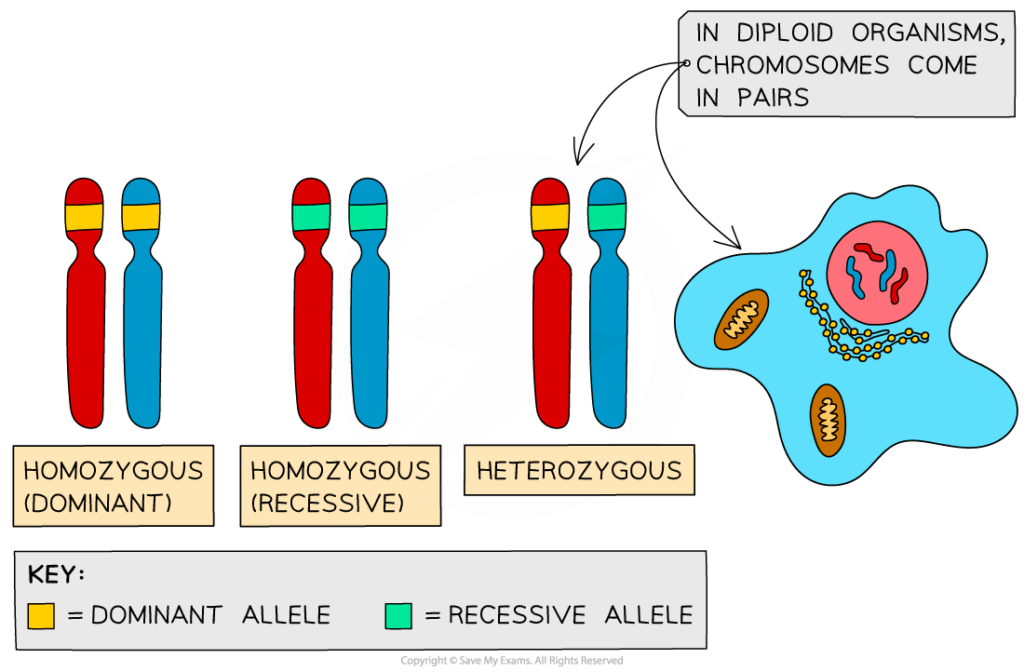
| Homozygous | Having two identical alleles for a gene (AA or aa). |
| Heterozygous | Having two different alleles for a gene (Aa). |
| Phenotype | Observable characteristics determined by genotype and environment. |
| Genotype | Genetic makeup of an organism, represented by allele combinations. |
📌Introduction
Mendel’s experiments with pea plants established the foundation of classical genetics. By studying traits such as seed shape and flower colour, he discovered predictable inheritance patterns based on segregation and independent assortment. These principles laid the groundwork for understanding how genes are passed from one generation to the next
📌 Mendel’s Laws
- Law of Segregation: Alleles for a trait separate during gamete formation.
- Law of Independent Assortment: Alleles of different genes assort independently during meiosis (unless linked).
- Law of Dominance: One allele may mask the expression of another.
- Demonstrated through monohybrid and dihybrid crosses.
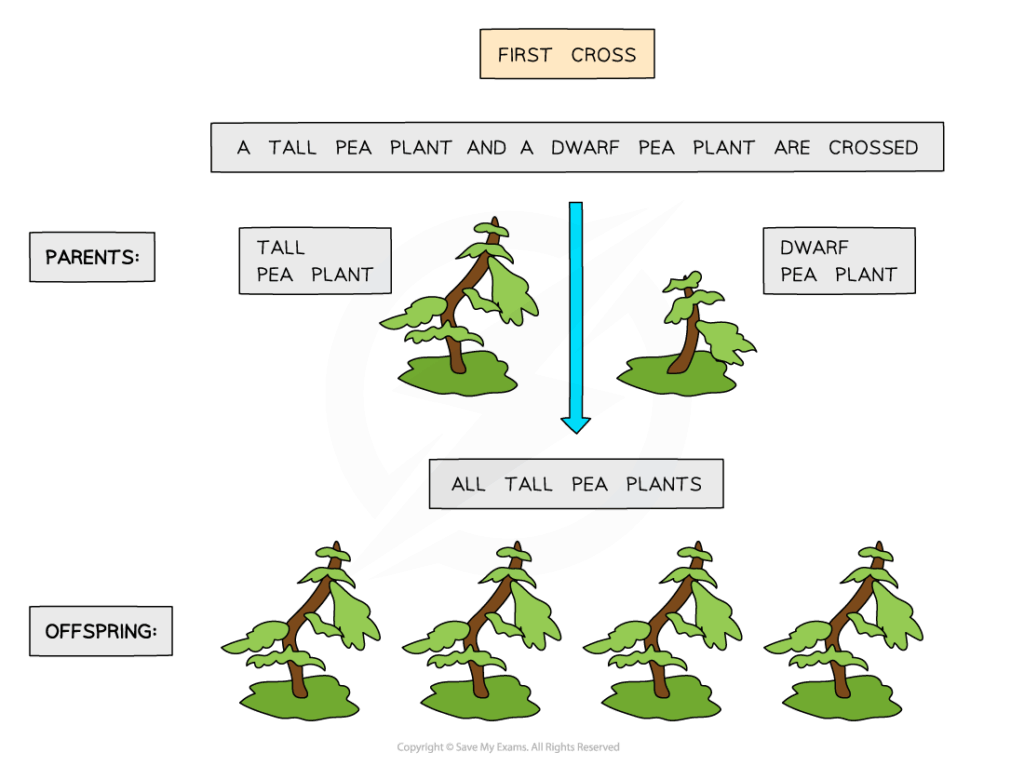
- Ratios: 3:1 in monohybrid F2, 9:3:3:1 in dihybrid F2.
🧠 Examiner Tip: Always state genotype and phenotype ratios when drawing Punnett squares—many IB marks are awarded here.
📌 Monohybrid and Dihybrid Crosses
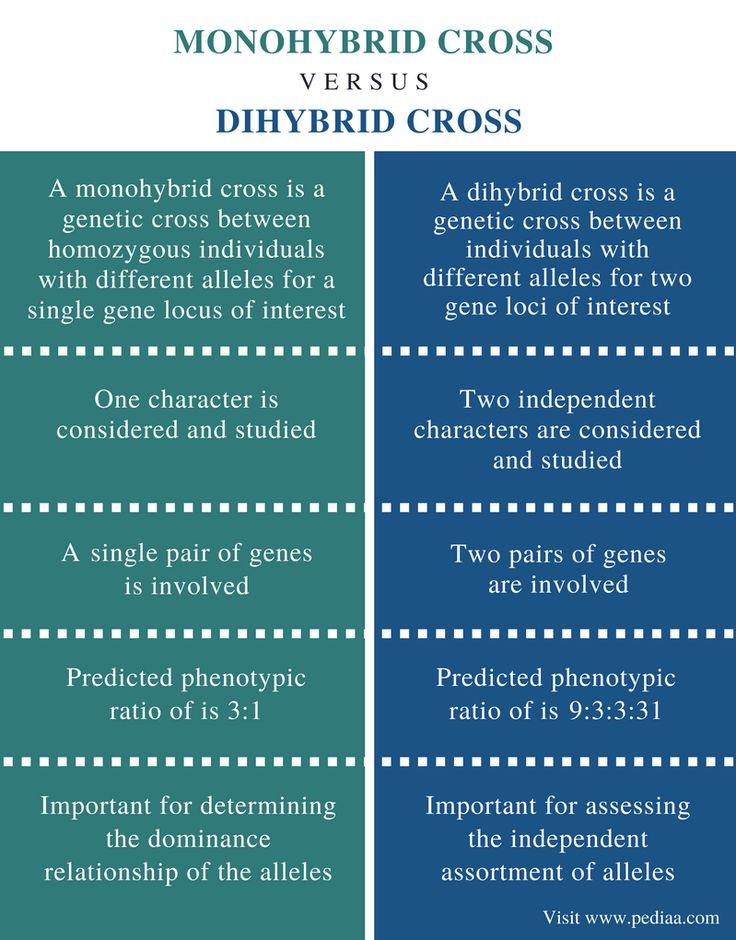
- Monohybrid crosses show inheritance of one trait (e.g., AA × aa → 100% heterozygous F1).
- F2 offspring typically show 3:1 phenotype ratios.
- Dihybrid crosses involve two traits simultaneously.
- Crossing heterozygotes (AaBb × AaBb) produces the 9:3:3:1 ratio.
- Linked genes deviate from Mendelian ratios.
🧬 IA Tips & Guidance: Possible IA – modelling Mendelian ratios using dice or simulations, or using plants like fast-growing peas for cross experiments.
📌 Extension of Mendelian Principles
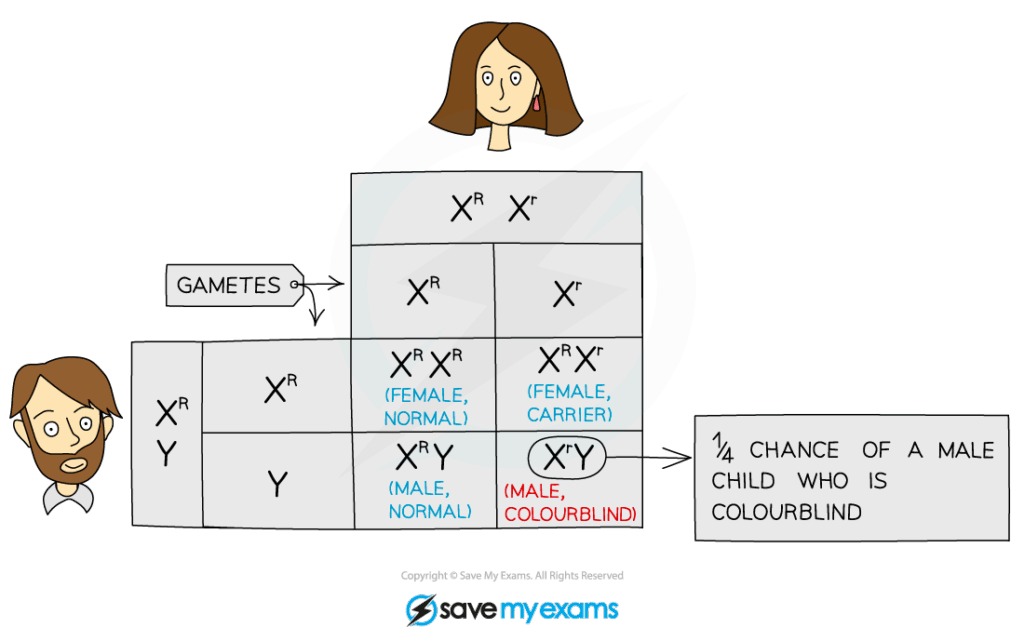
- Predicting carrier status in recessive conditions.
- Probability calculations in inheritance problems.
- Importance of large sample sizes for statistical accuracy.
- Pedigrees trace inheritance across generations.
- Mendel’s work explains many but not all inheritance patterns.
🌐 EE Focus: An EE could explore Mendelian ratios in non-human organisms (e.g., corn kernels) or investigate how linked genes affect expected outcomes.
📌 Applications in Genetics
- Used to predict inheritance of single-gene disorders (e.g., cystic fibrosis).
- Forms the basis of animal and plant breeding programs.
- Important in understanding recessive vs dominant traits in humans.
- Provides framework for studying genetic variation.
- Still taught as foundation despite complexity of real inheritance.
❤️ CAS Link: Students could run classroom activities demonstrating Punnett squares and inheritance in a simple interactive game, teaching peers or younger students.
🌍 Real-World Connection: Mendelian genetics explains inheritance of many traits and diseases in humans, animals, and plants. It underpins selective breeding in agriculture, genetic counselling in medicine, and carrier screening for inherited disorders.
📌 Integration with Modern Genetics
- Mendelian ratios hold true for many simple traits.
- Complex traits require non-Mendelian explanations.
- Principles connect to molecular genetics and meiosis.
- Provides starting point for probability-based predictions.
- Remains essential for understanding genetic counselling.
🔍 TOK Perspective: Mendel’s findings were ignored until rediscovery decades later. TOK reflection: How does social context affect whether scientific knowledge is accepted or overlooked?