D2.2.3 ENVIRONMENTAL INFLUENCES ON GENE EXPRESSION
📌Definition Table
| Term | Definition |
|---|---|
| Phenotypic plasticity | The ability of an organism to change phenotype in response to environment. |
| Inducible genes | Genes expressed only under specific environmental conditions. |
| Heat shock proteins | Stress-induced proteins that protect cells from damage. |
| Hormonal regulation | Control of gene expression via external or internal chemical signals. |
| Signal transduction | Process of converting environmental signals into cellular responses. |
| Epigenetic-environmental link | Environmental cues that alter gene expression via epigenetic changes. |
📌Introduction
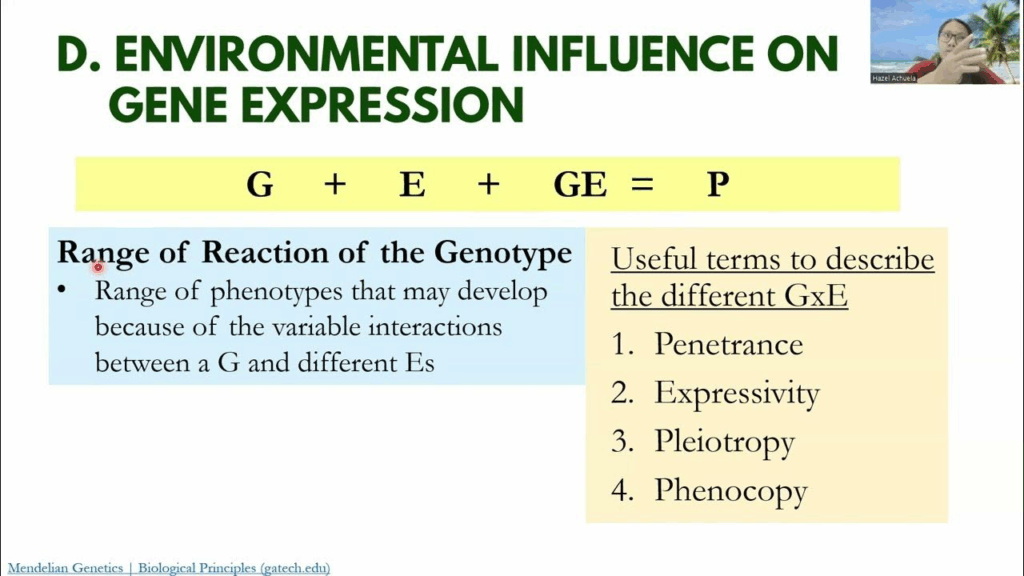
Environmental conditions profoundly influence gene expression, shaping phenotypes without altering DNA sequence. Organisms respond to temperature, nutrition, toxins, stress, and social cues by switching genes on or off. These responses enable survival in fluctuating environments but also link lifestyle to disease risk
📌 Nutritional Influences
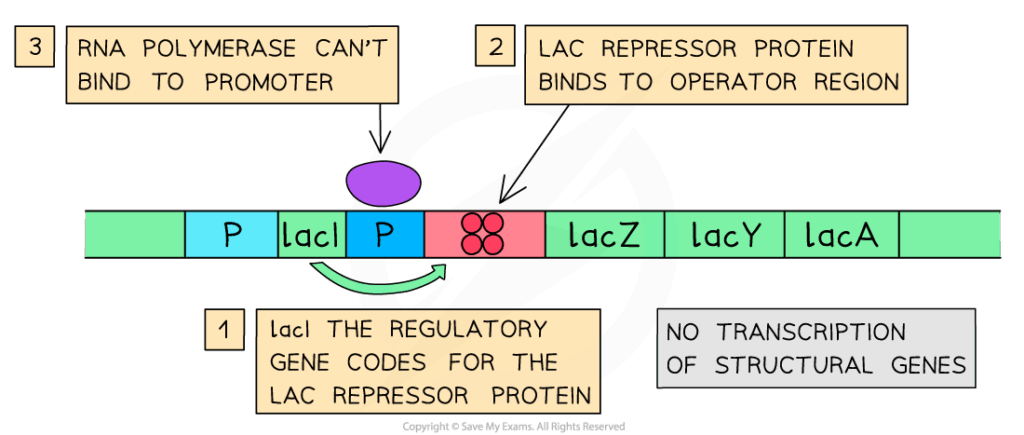
- Nutrient availability regulates metabolic genes.
- Low glucose triggers expression of alternative energy pathway genes.
- Vitamins act as cofactors influencing gene regulation.
- Maternal nutrition during pregnancy affects offspring gene expression epigenetically.
- Malnutrition alters immune system gene activity.
🧠 Examiner Tip: Always link environmental influence to specific gene-level mechanisms (e.g., methylation, transcription factors), not just “environment changes phenotype.”
📌 Temperature and Stress
- Heat shock proteins induced at high temperatures protect proteins.
- Cold stress activates antifreeze protein genes in some fish.
- Drought stress upregulates water-conservation genes in plants.
- Stress hormones (cortisol, adrenaline) regulate gene expression in target tissues.
- Chronic stress alters immune and brain gene expression, linked to disease.
🧬 IA Tips & Guidance: Students could study plant gene expression indirectly by testing germination or growth under different stress conditions (e.g., light vs dark, drought vs normal).
📌 Toxins and Pollutants
- Tobacco smoke induces mutations and alters methylation.
- Heavy metals trigger detoxification gene expression.
- Air pollutants alter immune and respiratory genes.
- Endocrine disruptors mimic hormones, misregulating gene expression.
- Toxins often leave epigenetic “fingerprints.”
🌐 EE Focus: An EE could analyse how pollutants influence epigenetic marks, contributing to diseases like cancer.
📌 Social and Behavioral Influences
- Social stress in animals alters brain gene expression.
- In humans, childhood trauma influences long-term epigenetic patterns.
- Physical activity induces expression of metabolic and mitochondrial genes.
- Learning and memory rely on activity-dependent gene regulation.
- Social interactions can therefore leave molecular signatures.
❤️ CAS Link: A CAS project could involve raising awareness about how lifestyle (diet, exercise, stress) affects gene expression and long-term health.
🌍 Real-World Connection: Epigenetic effects of famine (e.g., Dutch Hunger Winter) show how environment shapes health across generations. Personalized medicine now considers gene–environment interactions.
📌 Long-Term Adaptations
- Environmentally induced changes can persist across generations via epigenetic inheritance.
- Provides a mechanism for rapid adaptation to changing environments.
- Explains phenotypic plasticity in plants and animals.
- Supports evolutionary theory beyond pure DNA sequence variation.
- Human populations show adaptations to diet (e.g., lactose tolerance).
🔍 TOK Perspective: Environmental impacts challenge gene determinism. TOK issue: Does focusing on “genes as destiny” oversimplify the interactive reality of gene–environment dynamics?