C3.1.3 INTERDEPENDENCE OF ORGAN SYSTEMS
📌Definition Table
| Term | Definition |
|---|---|
| Organ system | A group of organs working together to perform a major physiological function (e.g., digestive, circulatory). |
| Interdependence | The reliance of one organ system on another to maintain overall body function and homeostasis. |
| Circulatory system | The transport system delivering oxygen, nutrients, and hormones while removing waste products. |
| Respiratory system | Provides oxygen for cellular respiration and removes carbon dioxide. |
| Excretory system | Removes metabolic wastes and regulates water and ion balance. |
| Integration | The coordinated action of multiple organ systems working as a unified whole. |
📌Introduction
No organ system in the body functions in isolation. Each depends on others for inputs, regulation, and waste removal, forming an integrated network that maintains survival. For example, the respiratory and circulatory systems cooperate to deliver oxygen, while the digestive and circulatory systems ensure nutrient distribution. This interdependence maintains homeostasis, supports energy production, and allows adaptation to environmental change. A failure in one system often cascades into dysfunction in others, highlighting the importance of integration for health.
📌 Circulatory and Respiratory Systems
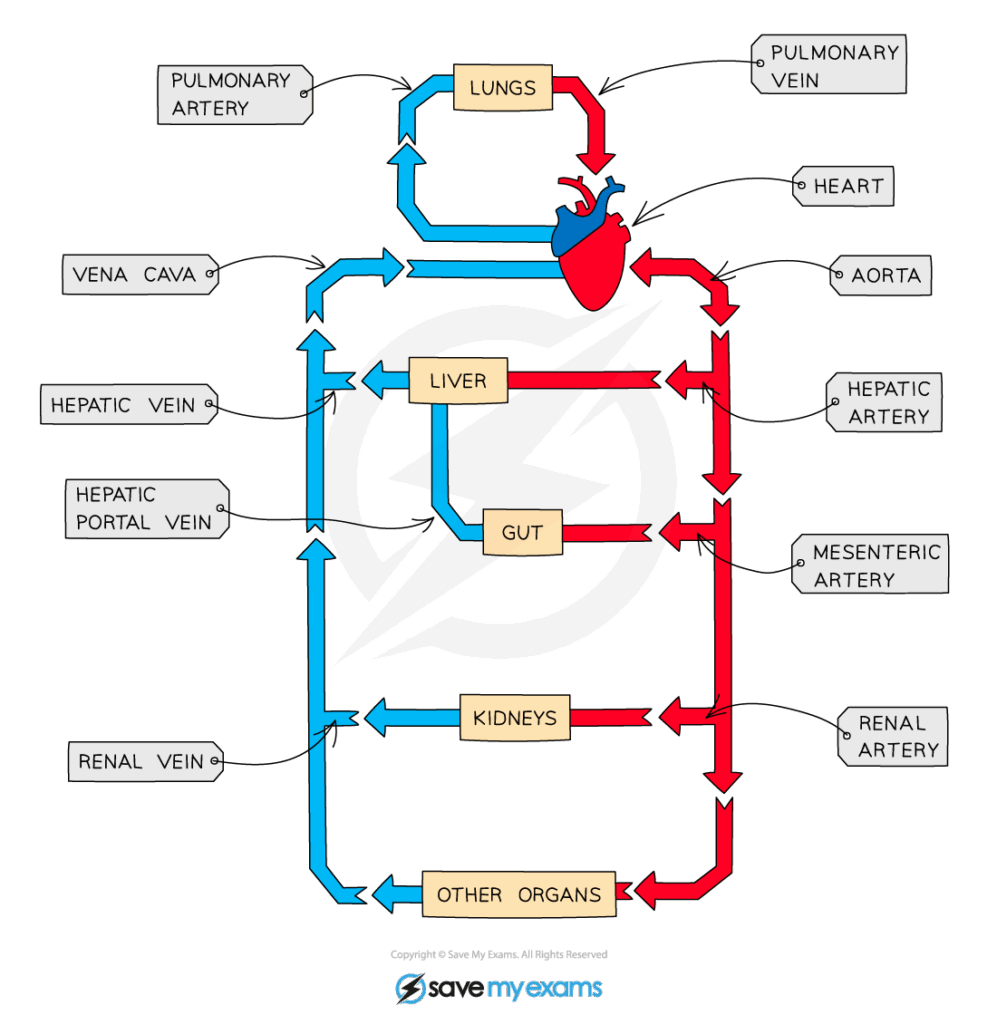
- The respiratory system supplies oxygen to the blood, while the circulatory system distributes it to tissues.
- Removal of carbon dioxide depends on both — tissues release CO₂ → blood carries it → lungs exhale it.
- Gas exchange efficiency depends on circulation speed and haemoglobin capacity.
- During exercise, respiratory rate and cardiac output increase simultaneously under nervous and endocrine control.
- Disruption in one system (e.g., lung disease) reduces circulatory efficiency and vice versa.
🧠 Examiner Tip: When describing interdependence, always state the two-way relationship — not just “lungs give oxygen,” but also how blood flow regulates gas exchange.
📌 Digestive and Circulatory Systems
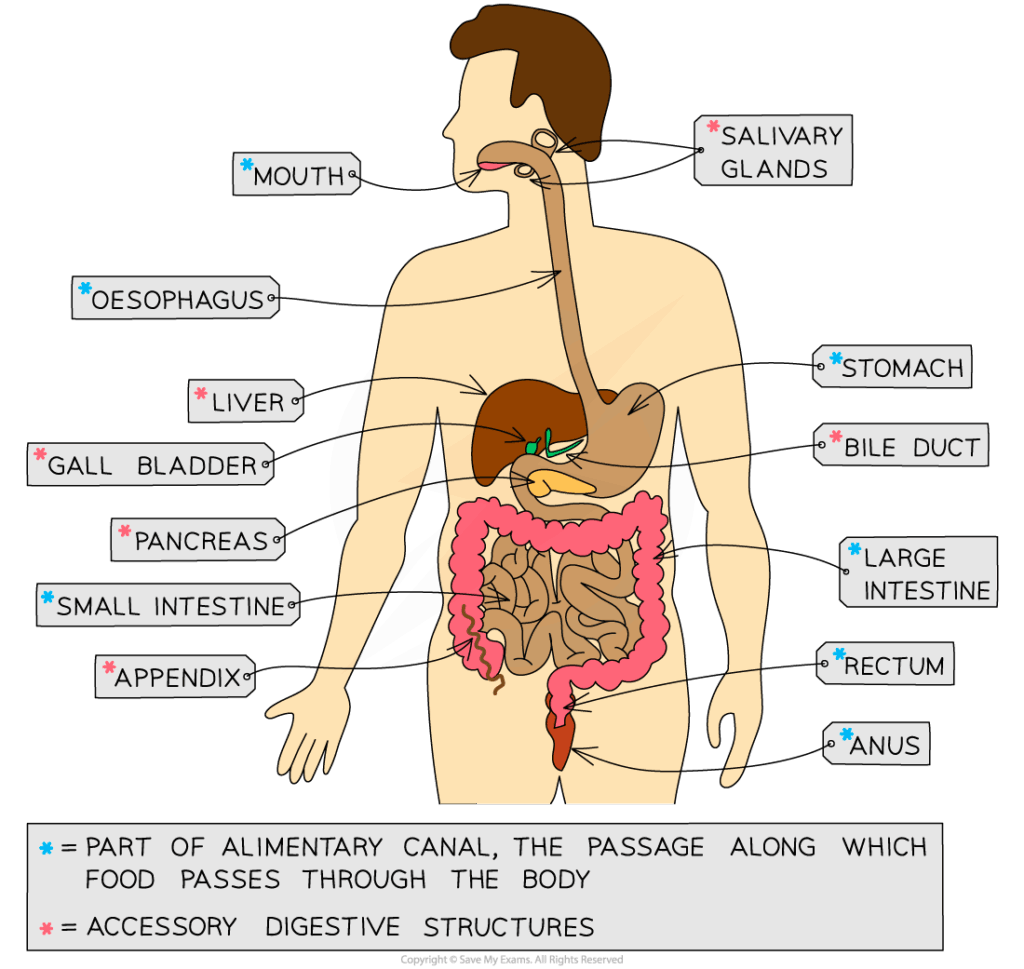
- The digestive system breaks food into absorbable nutrients (glucose, amino acids, fatty acids).
- These nutrients are absorbed into blood or lymph and transported by the circulatory system to cells.
- Liver processes absorbed nutrients, regulating glucose and detoxifying harmful substances.
- Circulation ensures constant delivery of fuel for cellular respiration in tissues.
- Failure in digestion (e.g., malabsorption) leads to nutrient deficiencies despite healthy circulation.
🧬 IA Tips & Guidance: An investigation could track blood glucose changes after carbohydrate intake, linking digestive absorption with circulatory transport.
📌 Excretory and Circulatory Systems
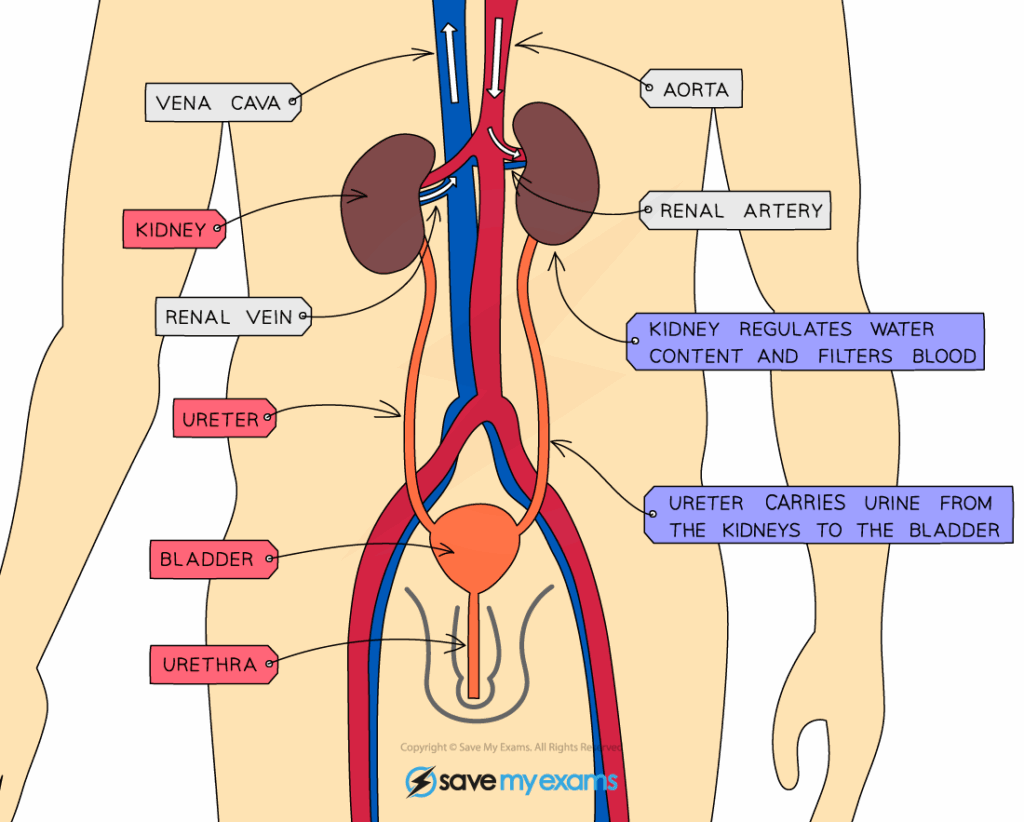
- The excretory system (mainly kidneys) filters blood, removing nitrogenous waste while balancing water and salts.
- Circulatory system delivers blood to kidneys for filtration and reabsorbs needed substances.
- Together, they maintain osmotic balance and blood pressure.
- Hormones (ADH, aldosterone) regulate kidney function, showing endocrine integration.
- Kidney failure leads to toxin buildup in blood, disrupting circulation and affecting all systems.
🌐 EE Focus: An EE could investigate how organ system interdependence limits survival — for instance, studying how kidney disease impacts cardiovascular health.
📌 Nervous and Endocrine Systems in Integration
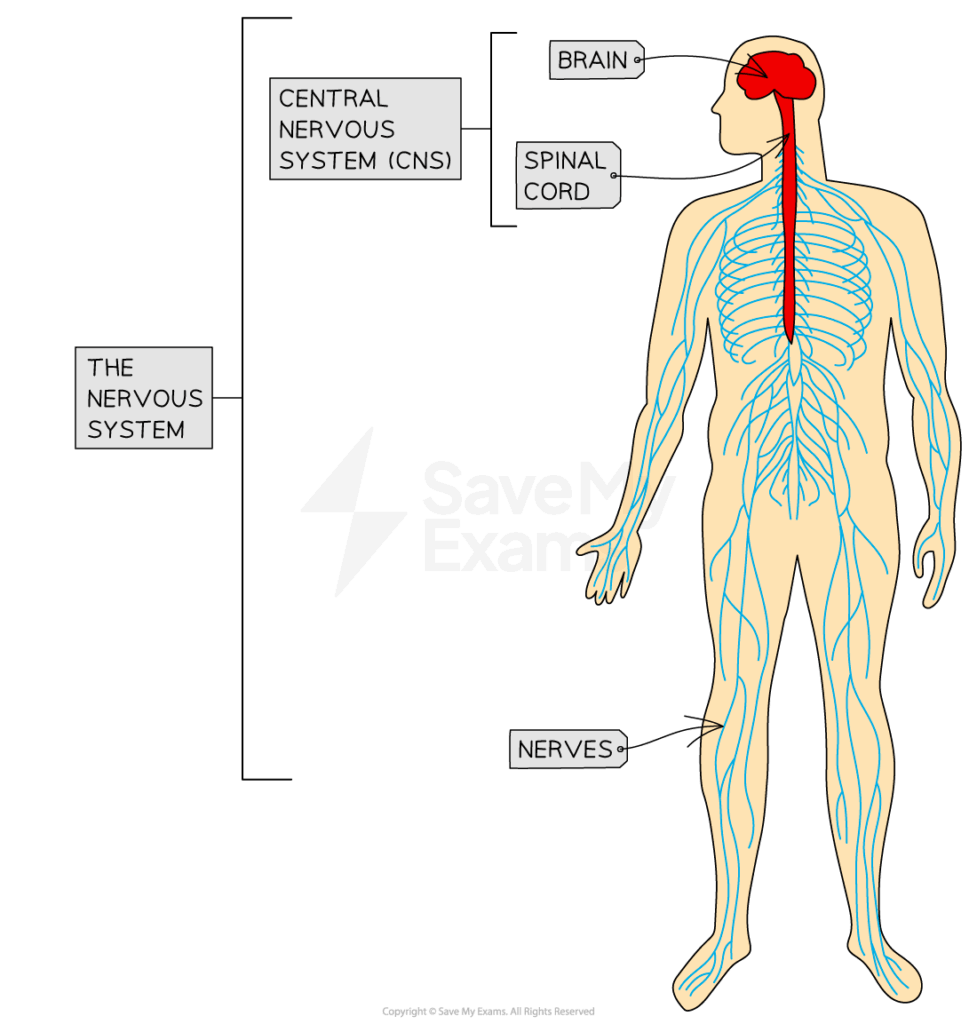
- Nervous system provides rapid communication and control of organ activity.
- Endocrine system regulates slower, long-term processes through hormones.
- Both systems coordinate other organs:
- Nervous signals regulate heart rate, breathing rate, digestion.
- Hormones (adrenaline, insulin) adjust energy availability and metabolism.
- Hypothalamus and pituitary gland serve as the key link between neural and hormonal regulation.
- Disruption in coordination causes systemic disorders (e.g., diabetes, chronic stress syndromes).
❤️ CAS Link: A CAS activity could involve creating educational posters or workshops for younger students, showing “body systems as a team” — like players in a football match where each depends on the others.
🌍 Real-World Connection: Organ transplants highlight interdependence — a new heart or kidney must integrate with circulatory, immune, and endocrine systems to function properly. Diseases like sepsis demonstrate how failure in one system rapidly disrupts others.
📌 Musculoskeletal and Other Systems
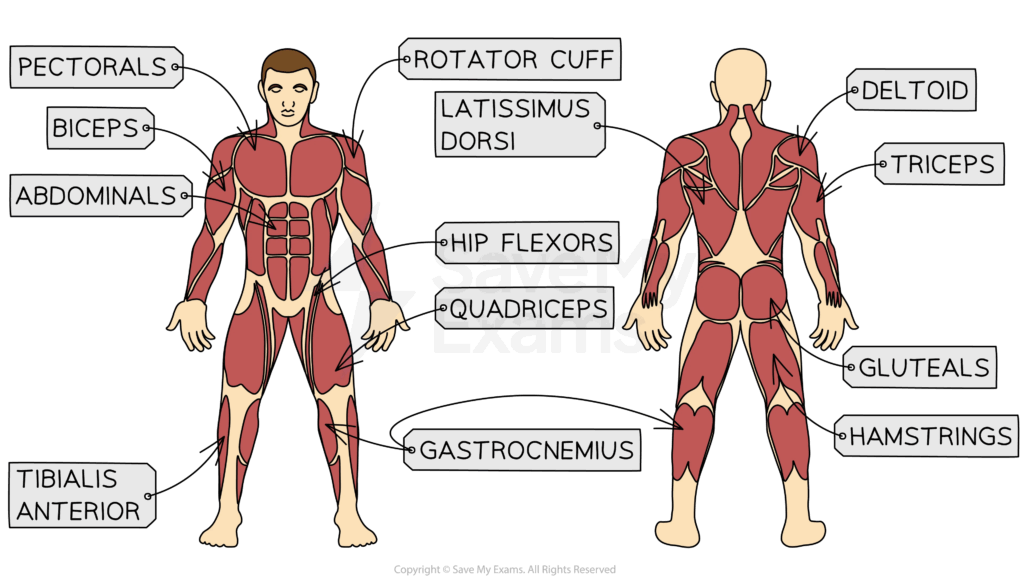
- Muscles require oxygen and nutrients from circulation to contract.
- Skeletal system provides structure and protection for organs while storing calcium needed for nerve/muscle function.
- Movement depends on nervous system control (signals to muscles), endocrine signals (growth hormones, adrenaline), and circulatory delivery of energy.
- Immune system relies on circulation to transport white blood cells, while lymphatic system overlaps with both immunity and circulation.
- Integration across all systems ensures survival in dynamic environments.
🔍 TOK Perspective: The interdependence of organ systems challenges reductionist approaches. TOK issue: Can studying systems in isolation ever fully explain health, or is a holistic systems biology approach required to understand the body?