B4.2.3 – NICHE ADAPTATION AND ENVIRONMENTAL CHANGE
📌Definition Table
| Term | Definition |
|---|---|
| Adaptation | Structural, physiological, or behavioural trait enhancing survival and reproduction in a specific niche. |
| Generalist species | Species with broad niches, tolerating a wide range of conditions and resources (e.g., raccoons, cockroaches). |
| Specialist species | Species with narrow niches, requiring specific conditions or resources (e.g., koalas, giant pandas). |
| Climate change | Long-term shifts in temperature, precipitation, and other abiotic factors altering niches. |
| Invasive species | Non-native organisms that establish, spread, and disrupt native niche structures. |
| Phenotypic plasticity | The ability of an organism to alter physiology, behaviour, or morphology in response to environmental changes. |
📌Introduction
Niches are not static — they adapt and shift in response to environmental pressures. Climate change, habitat destruction, invasive species, and pollution all drive niche modifications. Species may persist by altering behaviour, physiology, or morphology, but some fail to adapt and decline. Generalists are often favoured under rapid change, while specialists are most at risk. Over evolutionary timescales, these pressures lead to new niches, extinctions, and the reshaping of ecosystems.
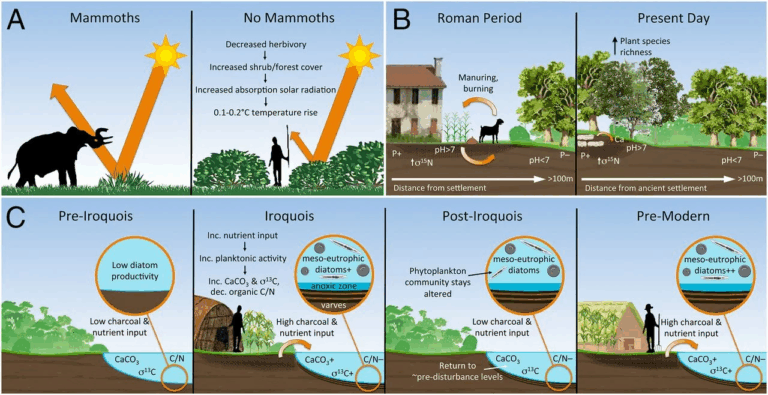
📌 Specialists vs Generalists in Changing Environments
- Specialists thrive in stable ecosystems but collapse when conditions shift, as seen with coral reefs facing ocean acidification.
- Generalists tolerate disturbances, broad diets, and flexible behaviours — traits that promote survival in urban and altered ecosystems.
- Human activity often favours generalists (rats, pigeons, weeds), creating “winner” species.
- Trade-offs: specialists are highly efficient but vulnerable; generalists are less efficient but resilient.
- Extinction risk is strongly correlated with niche breadth; narrow niches are the most fragile under global change.
🧠 Examiner Tip: Don’t just define specialists and generalists. Always link their niche flexibility to survival under environmental stress (e.g., climate change).
📌 Environmental Pressures and Niche Shifts
- Climate change shifts temperature and precipitation ranges, forcing species to move, adapt, or die out.
- Poleward and altitudinal shifts are observed as organisms track cooler climates.
- Ocean warming and acidification alter niches of marine organisms, especially corals and shellfish.
- Human-driven pressures (pollution, habitat fragmentation, overexploitation) accelerate niche loss.
- Some species adapt via phenotypic plasticity, modifying physiology or behaviour without genetic change.
- Others undergo rapid evolutionary shifts if populations have sufficient genetic diversity.
🧬 IA Tips & Guidance: Students could analyse historical data on species distributions (e.g., bird ranges, flowering times) to illustrate niche shifts under climate change.
📌 Invasive Species and Niche Disruption
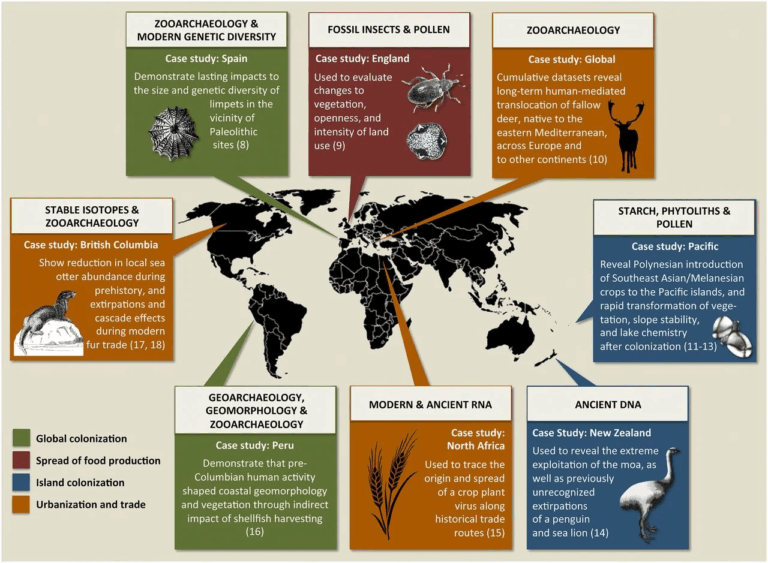
- Invasive species often outcompete natives by occupying similar niches but with higher efficiency.
- Examples: grey squirrels displacing red squirrels in the UK; zebra mussels monopolising freshwater habitats.
- Invasives often expand realised niches beyond their native ranges, exploiting the absence of predators.
- They alter food webs, change nutrient cycling, and compress native niches.
- Some natives adapt to coexist (niche shift), but many decline or go extinct.
- Human transport and trade accelerate introductions and expansion of invasives globally.
🌐 EE Focus: An EE could examine how invasive species restructure niches in a local ecosystem, comparing realised niche breadth of native vs invasive populations.
📌 Adaptive Strategies to Environmental Change
- Behavioural: migration, altered foraging, nocturnal activity in response to heat stress.
- Physiological: altered breeding cycles, tolerance to new salinity or pH ranges.
- Morphological: body size changes (Bergmann’s Rule), altered coloration for camouflage in new habitats.
- Symbiotic relationships shift: corals switch algal partners under stress to survive warming seas.
- Ecosystem engineers (beavers, termites) reshape habitats, creating new niches for other species.
- Species lacking adaptive flexibility face population crashes or extinction.
❤️ CAS Link: A CAS project could involve community work on restoring habitats for specialist species (e.g., butterfly gardens, bird boxes), showing how niches can be supported by human intervention.
🌍 Real-World Connection: Conservation biology depends on understanding niches — e.g., reintroduction programs require knowledge of food and habitat niches (wolves in Yellowstone, pandas in China). Climate mitigation strategies also consider assisted migration to new niches.
📌 Niches and Evolutionary Change
- Natural selection drives niche evolution — populations with advantageous traits expand into new roles.
- Adaptive radiation (Darwin’s finches) shows how environmental change can diversify niches.
- Coevolution with other species (predators, prey, symbionts) creates dynamic niche networks.
- Human activity accelerates evolutionary pressures, producing rapid microevolution in urban wildlife (e.g., pesticide resistance in insects).
- Extinction of one species can free niches for others, restructuring ecosystems.
- Over long timescales, environmental change is a key driver of speciation and biodiversity.
🔍 TOK Perspective: Niche adaptation illustrates the interplay of reductionism and holism. While models reduce adaptation to traits like tolerance ranges, survival depends on integrated systems (behaviour + environment + genetics). TOK issue: how reliable are models for predicting future survival under climate change?