A2.1.2 – EVOLUTION OF CELLS
📌Definition Table
| Term | Definition |
|---|---|
| Prokaryotic Cell | Simple cell without a nucleus or membrane-bound organelles. |
| Eukaryotic Cell | Cell with a nucleus and membrane-bound organelles. |
| Endosymbiotic Theory | Theory that eukaryotic organelles originated from engulfed prokaryotes. |
| Cyanobacteria | Photosynthetic bacteria that released oxygen into early Earth’s atmosphere. |
| Great Oxidation Event | Period when atmospheric oxygen levels rose sharply (~2.4 bya). |
📌Introduction
Cellular evolution marks the transition from simple prokaryotes to complex eukaryotes. This shift was driven by environmental change, metabolic innovation, and symbiosis, ultimately enabling multicellular life.
📌 Early Prokaryotic Cells
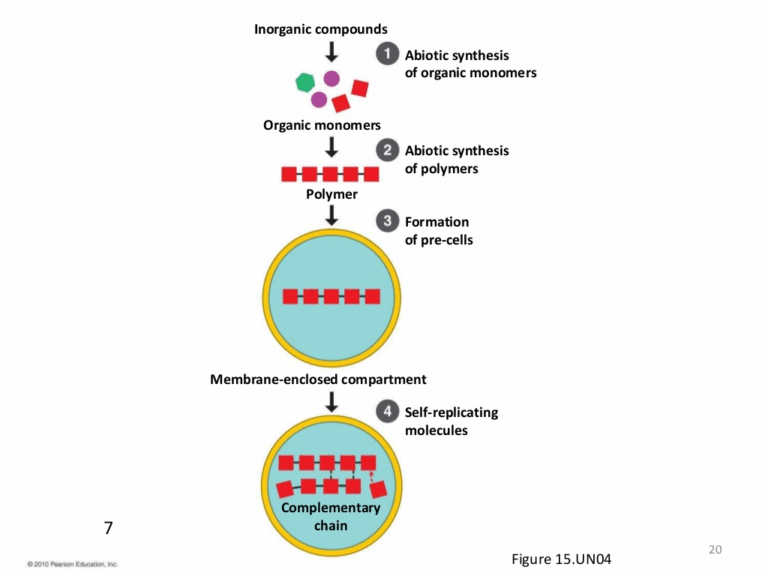
- First life forms (~3.5 bya), anaerobic and simple in structure.
- Contained circular DNA and 70S ribosomes.
- Relied on fermentation or anaerobic respiration.
- Thrived in extreme environments.
- Played major roles in nutrient cycling.
- Formed the basis for all later life forms.
🧠 Examiner Tip: Mention ribosome type and DNA form when distinguishing prokaryotes from eukaryotes.
📌 Rise of Photosynthetic Prokaryotes
- Cyanobacteria evolved oxygenic photosynthesis.
- Released oxygen into oceans and atmosphere.
- Triggered Great Oxidation Event.
- Oxygen allowed aerobic respiration to evolve.
- Caused extinction of many anaerobic organisms.
- Set stage for complex life.
🧬 IA Tips & Guidance: Compare oxygen production in modern cyanobacteria under different light intensities.
📌 Endosymbiotic Theory
- Large prokaryotes engulfed smaller aerobic/phototrophic ones.
- Engulfed cells survived, forming symbiotic relationships.
- Mitochondria from aerobic bacteria; chloroplasts from cyanobacteria.
- Both have double membranes and circular DNA.
- Reproduce by binary fission.
- Provide strong evidence for symbiotic origins of eukaryotes.
🌐 EE Focus: Sequence mitochondrial DNA to compare with bacterial genomes.
📌 Transition to Eukaryotic Cells
- Development of nucleus and internal membranes.
- Cytoskeleton allowed structural support and movement.
- Compartmentalization improved efficiency.
- Endomembrane system evolved for transport and synthesis.
- Enabled greater cell size and complexity.
- Formed basis for multicellular life.
❤️ CAS Link: Create a classroom model showing prokaryote-to-eukaryote transition.
📌 Multicellularity and Specialization
- Evolved independently in plants, fungi, and animals.
- Cell adhesion proteins enabled tissue formation.
- Specialization increased efficiency and survival.
- Communication systems developed between cells.
- Allowed development of organs and body systems.
- Increased ecological diversity.
🌍 Real-World Connection: Multicellularity research informs cancer studies (loss of cell regulation).
🔍 TOK Perspective: Endosymbiotic theory shows how scientific models evolve with new genetic evidence.