A4.2.2 – THREATS TO BIODIVERSITY
📌Definition Table
| Term | Definition |
|---|---|
| Anthropogenic Extinction | Species loss caused directly or indirectly by human activities. |
| Mass Extinction | Event where a significant proportion of species become extinct in a short time. |
| Overexploitation | Unsustainable harvesting of resources leading to population decline or extinction. |
| Invasive Species | Non-native species that disrupt ecosystems by outcompeting native species. |
| Habitat Loss | Destruction or alteration of natural environments, reducing biodiversity. |
| Pollution | Introduction of harmful substances into the environment, impacting species survival. |
| Climate Change | Long-term shifts in temperature, precipitation, and weather patterns affecting species and ecosystems. |
📌Introduction
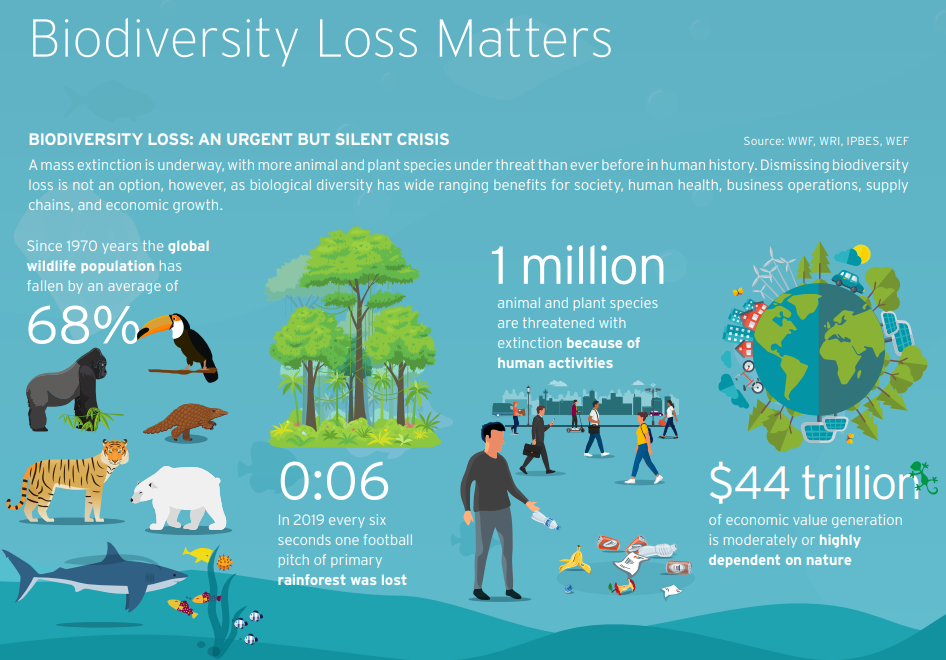
Biodiversity faces unprecedented threats from human activities, leading to what many scientists call the sixth mass extinction. Unlike previous mass extinctions caused by natural events, the current one is driven primarily by human-induced pressures. The loss of biodiversity threatens ecosystem stability, disrupts ecological processes, and reduces the ecosystem services essential for human survival.
❤️ CAS Link: Organise a “Biodiversity Under Threat” awareness day with interactive displays on local endangered species and their threats.
📌 Anthropogenic Extinction
- Current extinction rates are estimated to be 100–1000 times higher than the natural background rate.
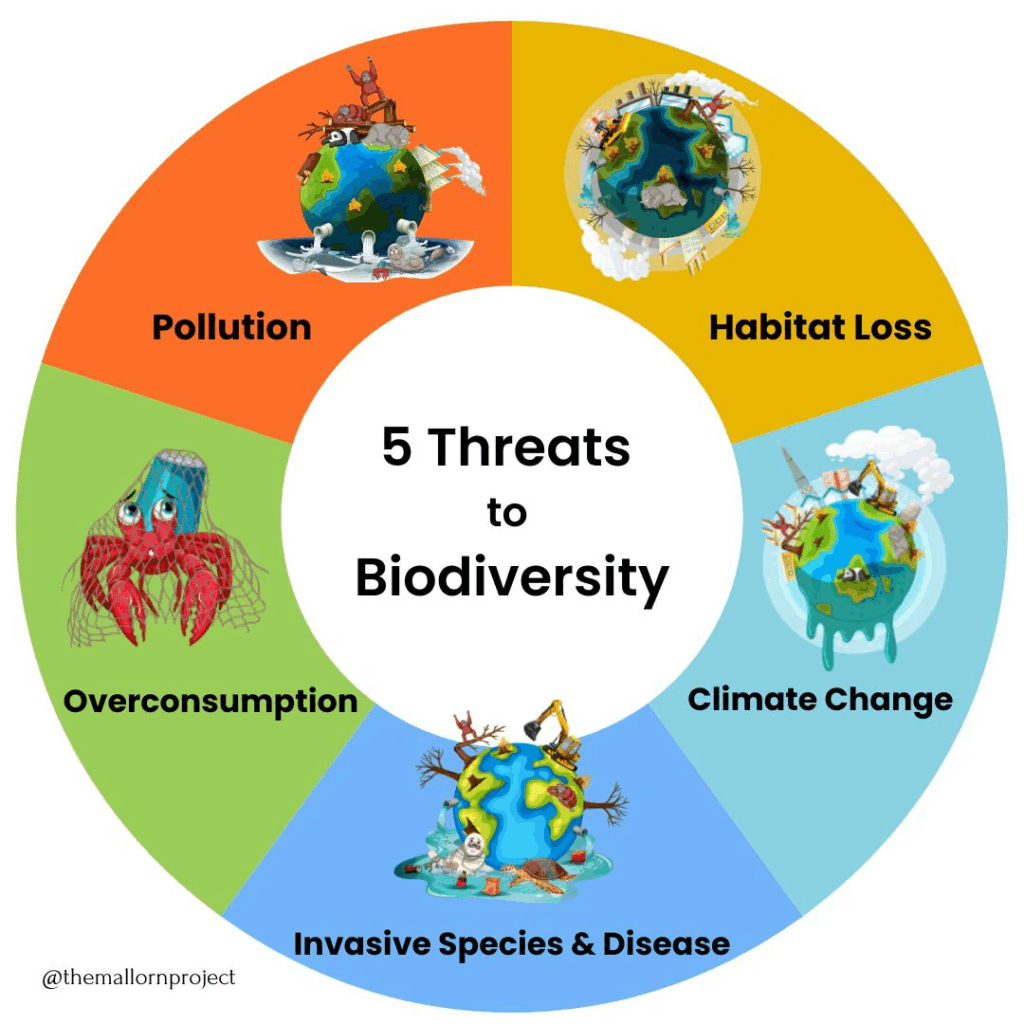
- Causes include habitat destruction, overexploitation, pollution, introduction of invasive species, and climate change.
- Example: North Island giant moa (Dinornis novaezealandiae) driven to extinction by overhunting by early humans in New Zealand.
🧠 Examiner Tip: Use named examples to support descriptions of extinction causes.
📌 Case Studies of Species Loss
- North Island giant moa — overhunting and habitat loss by early settlers.
- Caribbean monk seal — hunted for oil and meat, declared extinct in 2008.
- Student choice species — research and apply same analytical framework to a relevant local example.
🌍 Real-World Connection: IUCN Red List data provides global assessments of species status, guiding conservation priorities.
📌 Habitat Loss and Degradation
- Primary driver of biodiversity decline worldwide.
- Includes deforestation, clear-cutting, land conversion for agriculture, and urbanisation.
- Example: Tropical rainforest destruction for palm oil plantations reduces both species richness and genetic diversity.
🔍 TOK Perspective: Trade-offs between economic development and conservation highlight the influence of cultural and political values on biodiversity protection.
📌 Evidence for Biodiversity Loss
- IPBES Reports — highlight trends and drivers of biodiversity decline globally.
- IUCN Red List — monitors changes in species’ conservation status.
- Citizen Science — large-scale biodiversity data collection by non-professionals (e.g., bird counts).
🌐 EE Focus: An EE could analyse the relative impact of different threats on a chosen ecosystem using quantitative biodiversity indices.
📌 Major Threat Factors
- Overexploitation — overfishing, logging, poaching.
- Invasive species — e.g., cane toad in Australia, zebra mussel in North America.
- Pollution — plastic pollution, agricultural runoff, oil spills.
- Climate change — shifting ranges, coral bleaching, altered migration patterns.
- Disease — emerging infectious diseases affecting wildlife populations.